Preparation
Define the purpose of the activity
- Create an oracle deck with a specific thematic focus.
- Encourage creativity and intuition in a collaborative process.
- Explore symbolic concepts through visual design and written expression.
Materials
To conduct the activity virtually:
- Use collaborative platforms for designing and brainstorming ideas.
- Work on a shared digital board where participants can visualize the cards in progress.
- Utilize online tools for collective illustration and writing.
Step-by-step instructions
1. Introduction
- Explain the purpose of the activity and how oracle decks function.
- Choose a general theme collectively (e.g., emotions, archetypes, nature, personal growth).
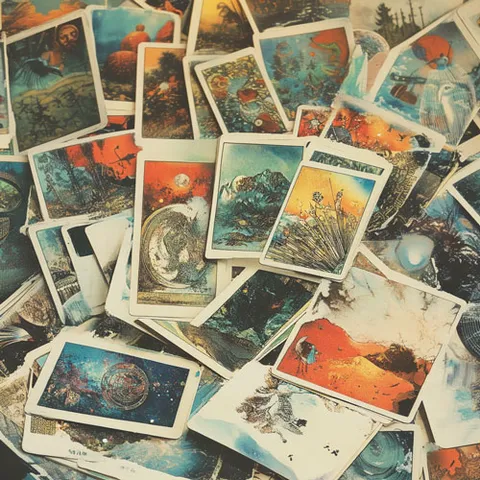
- Show examples of existing oracle decks to inspire participants.
2. Define the structure of the deck
- Decide on the total number of cards.
- Define categories or subgroups within the deck (e.g., symbols, affirmations, reflective questions).
- Assign cards to participants or allow them to choose freely.
3. Creating the cards
- Each participant designs one or more cards, including:
- Title or name of the card.
- Representative symbol or illustration.
- Message or interpretation (this could be an affirmation, a question, or an inspiring text).
- Encourage participants to use different artistic techniques according to their preferences.
4. Review and refine
- Share the cards with the group.
- Ensure coherence among the cards and their relation to the chosen theme.
- Adjust designs or messages if necessary.
5. Reflection and closing
- Discuss the creation experience and how participants felt.
- Test the deck with a brief group reading or collective interpretation.
- Store the cards for future use or digitize them if they will be shared.
Materials
Practical recommendations
Provide examples of existing oracle decks
To inspire and guide participants.
Offer a variety of materials
So participants can choose the technique they feel most comfortable with.
Encourage spontaneity
Focus on self-expression rather than perfection.
Include guiding questions
To help participants define their cards.
Digitize the final product
To make it accessible and usable in future sessions.
Inspiration
Ways to make the activity more meaningful
- In education: Create an oracle with learning concepts and reflective questions.
- In community development: Design cards that represent shared values and experiences.
- In work teams: Develop an oracle with leadership and collaboration messages.
- In health and well-being: Focus on emotions, mindfulness, and self-care.
- In art and creativity: Make an abstract oracle using various artistic styles.
Practical recommendations
Use themed oracle decks
Instead of a general deck, create one based on a specific theme, such as emotions, nature, mythology, or cultural symbols.
Bring existing tarot and oracle decks
Having different decks as references can inspire participants in terms of design, structure, and content.
Have a clear guide for what cards to include
Define how many cards the deck will have and what categories to include (e.g., affirmation cards, question cards, symbolic guides).
Explore different artistic styles
Allow participants to express their creativity using collage, digital illustration, watercolor, or ink.
Include messages with intentionality
Encourage participants to write affirmations, questions, or phrases that invite self-reflection and introspection.
Incorporate interactive elements
Add QR codes linking to audios, videos, or guided meditations to complement the cards.
Use universal symbols
Include elements such as the moon, sun, trees, water, and animals that hold significant meanings.
Create cards with visual effects
Use colors, gradients, or hidden illustrations to create an aesthetic and sensory impact.
Design an instruction manual
Accompany the deck with a short guide explaining the purpose of each card and how they can be used.
Include customizable or blank cards
Leave some cards blank for users to write their own interpretations or add elements over time.
Encourage collaborative creation
Allow multiple contributions to each card, whether in illustration, message, or interpretation.
Develop variations for group sessions
Design cards that can be used in participatory dynamics where participants interpret the messages together.
Add action-based cards
Create cards that encourage users to perform small rituals or self-reflection exercises.
Work with meaningful colors and shapes
Associate colors with emotions or moods to give each card a clear visual impact.
Experiment with textured or tactile elements
Use embossed designs, recycled paper, or distinct textures to stimulate other senses.
Test the deck in a reading session
Before finalizing, check how the cards feel in a reading and whether their messages resonate.