
Preparation
Define the purpose of the activity
- Foster creativity and storytelling skills.
- Encourage interaction and structured thinking.
- Break the ice and build trust among participants.
Materials
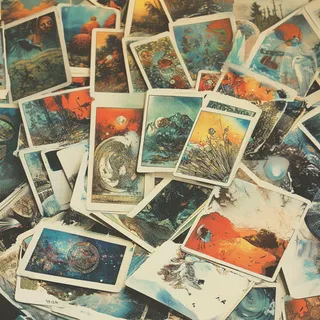
Printed or digital images of various themes (people, objects, landscapes, situations).
Paper and pens for those who want to write their story.
Optional: A projector or digital board to share visual stories.
To conduct the activity virtually:
- Use collaborative platforms to share images and write stories together.
- Provide a digital board where participants can drag and arrange images.
- Encourage interaction via video calls or group chats.
Step-by-step instructions
1
Introduction
- Explain that participants will select three images and use them to build a story.
- Emphasize that there are no right or wrong answers—just an opportunity to explore creativity.
2
Selecting images
- Spread a large collection of images on a table (for in-person sessions) or on a virtual board (for online sessions).
- Ask each participant to choose three images that stand out to them.
3
Building the story
- Each participant arranges their images in their chosen sequence and creates a short story based on them.
- They can write down the story or tell it aloud.
4
Sharing stories
- Participants present their stories to the group.
- Discuss how different people created unique narratives using the same images.
5
Closing and reflection
- Highlight the diversity of interpretations and the creativity of the group.
- Optionally, discuss the emotions or messages conveyed through the stories.
Materials
Printed or digital images of various themes.
Paper and pens for writing stories.
Optional: A digital board or projector.
Practical recommendations
Include a variety of images
Ensure the images are diverse and thought-provoking.
Encourage creative freedom
There are no restrictions on the type of story they can tell.
Adapt to the group
If needed, assign a specific theme for the stories.
Allow different formats
Participants can narrate their story, draw it, or write it.
Inspiration
How to make the activity more meaningful in different contexts
- In education: Participants can create stories related to a study topic.
- In community development: Narrate experiences about the local community.
- In workplace teams: Explore shared values and team objectives.
- In urban and rural planning: Tell stories about the evolution of environments.
- In health and social well-being: Reflect on experiences related to well-being.
- In arts and creativity: Explore personal inspirations and artistic influences.