
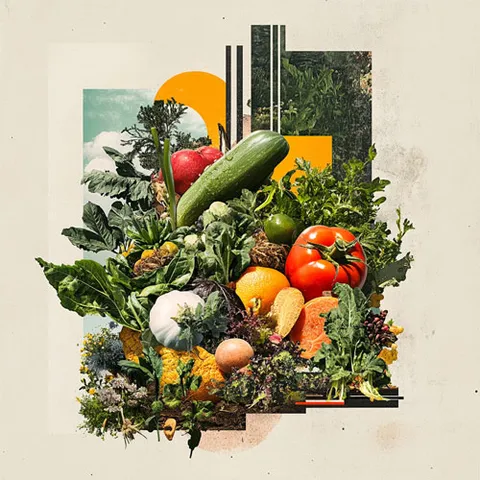
Materials
Seeds, seedlings, and fertile soil
Gardening tools
Items for signage and decoration
Recording materials (notebook, camera, app)
Personal protection (gloves, hats, sunscreen)
Practical recommendations
Consult people with gardening experience to define what to plant and how.
Adapt the garden to the climate, soil type, and available space.
Encourage collective commitment and task rotation.
Promote intergenerational and inclusive participation.
Respect nature’s timing and be patient with the process.
Inspiration
Ideas for designing a meaningful community garden:
- Include a section for traditional or native medicinal plants.
- Design a school garden as an outdoor classroom for learning about science and nature.
- Create signage with the name and characteristics of each plant, including braille or pictograms.
- Install benches or shaded areas to encourage lingering and conversation.
- Add community compost bins for recycling organic waste.
- Use recycled materials for decoration, boundaries, or tools.
- Invite local experts for workshops on gardening, cooking, or herbal medicine.
- Include sensory elements (aromatic plants, textures, natural sounds).
- Document the process and share it with other communities or schools.
- Link the garden to local agricultural or cultural celebrations.
- School garden: A learning space in schools promoting environmental education and teamwork.
- Medicinal garden: Dedicated to growing healing or aromatic plants like mint, lavender, or rosemary.
- Vertical garden: Ideal for small or urban spaces, using wall-mounted or upright structures.
- Container garden: For patios, balconies, or areas with poor soil, using recycled containers.
- Agroecological garden: Based on sustainable principles, avoiding chemicals or artificial fertilizers.
- Urban edible garden: Integrated into plazas, sidewalks, or parks, promoting free access to food.
- Intergenerational garden: Involving children, adults, and seniors to encourage knowledge exchange.
- Itinerant community garden: A mobile or temporary garden that moves between locations or events.
- Artistic garden: Combining crops with artistic or installation elements like sculptures or murals.
- Sensory garden: Designed to stimulate the senses with textures, colors, aromas, and natural sounds.
- Create plant markers from recycled materials decorated by children or neighbors.
- Include stone paths painted with inspiring phrases or names of contributors.
- Build collaborative scarecrows with old clothes and positive messages.
- Add informative signs with illustrations, common names, and plant uses.
- Build community benches or rest areas from pallets or recycled materials.
- Paint murals about food, nature, or community work around the garden.
- Install bells, mobiles, or sculptures to add artistic flair to the space.
- Include a community logbook or journal to record tasks, ideas, and lessons.
- Name different areas of the garden creatively (e.g., “the aroma corner,” “the tomato jungle”).
- Include a green library with books on gardening, cooking, sustainability, or children's stories.