Preparation
01 · Define the topic and stages
- Choose a topic (e.g., project development, historical timeline, creative process).
- Divide the process into clear stages, such as beginning, development, and conclusion, or according to the nature of the topic.
02 · Create the cards
- Design cards with relevant moments, milestones, or events.
- Include ambiguous or general cards to encourage discussion among participants.
03 · Set up the space
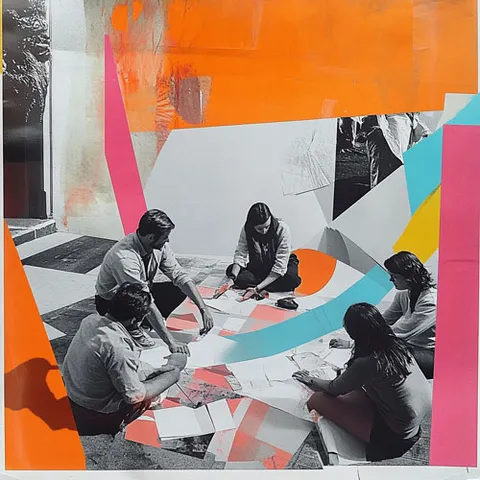
- Mark areas on the floor representing different stages using tape, signs, or visual markers.
- For virtual settings, create an interactive board with columns or areas for each stage.
04 · Prepare materials
- Cards with key moments or milestones.
- Markers and blank cards for participants to add new events.
Step-by-step instructions
1
Introduce the purpose
- Explain that the goal is to understand the flow or process of the topic by organizing events in the correct sequence.
- Present the stages of the process and their meaning.
2
Distribute the cards
- Randomly distribute one or more cards to each participant.
- Ask them to read and reflect on how their cards fit into the overall sequence.
3
Organize on the floor or board
- Participants place the cards in the area corresponding to the stage they believe is correct.
- Allow time for discussion and group adjustments if there are disagreements.
4
Group review
- Review the card arrangement together:
- Is each event placed in the correct stage?
- Are there moments that could belong to more than one stage?
- What insights emerge from analyzing the sequence?
5
Closing and reflection
- Facilitate a final discussion:
- What challenges did they encounter while organizing the moments?
- How does this sequence relate to their personal or professional experiences?
- Summarize key takeaways and lessons learned.
Materials
Cards with key moments or milestones; consider laminating them for repeated use.
Markers and blank cards for participants to add additional moments.
Adhesive tape, string, or markers to divide the stages.
Digital tools
Platforms
For virtual sessions or collaborative documentation.
Practical recommendations
Use different colors: Differentiate moments or situations that may be connected to each other.
Facilitate discussion
Encourage participants to justify their decisions when organizing the moments.
Document the results
Take photos or save screenshots for reflection at the end.
Adapt the stages
Adjust the complexity level based on the group and the workshop objective.