Collaborative Games for Teenagers
Games that build group: collaborative dynamics for teenagers
Collaborative games for teenagers work when they are well sequenced: first create connection, then build trust, then work on specific skills. A problem-solving dynamic with a group that doesn't know each other fails not because the activity is bad, but because the group didn't have the conditions to cooperate. This collection organizes dynamics by the moment in the process where they are most useful.
What contexts is this collection for?
- Start-of-school-year or camp activities
- Social-emotional skills workshops
- Integration days between groups or classes
- Youth leadership and student participation programs
Ice-breakers and getting to know each other
The first step is not collaboration — it is connection. These dynamics create the minimum conditions for a group of teenagers who don't know each other (or barely do) to start relaxing, taking small risks, and feeling they can participate without fear of embarrassment.
Two Truths and One Lie
Two Truths and One Lie helps break the ice and foster relationships through fun and interaction.
Who Am I?
Who Am I? is an observation and feedback-based activity where teams compete by imitating members of the opposing team, challenging them to guess who is being portrayed. It encourages creativity and strengthens group collaboration.
Secret Superpower
Secret Superpower is a participatory icebreaker in which each person anonymously shares a positive trait or skill as if it were a superpower, creating a space for play, connection, and group recognition.
Uncommon Commonalities
Uncommon Commonalities is a team-based activity where participants discover unusual habits or experiences they share, fostering group connection and creativity.
The Question Ball
The Question Ball is a playful and reflective activity where participants answer questions read by the facilitator upon receiving a ball, fostering group interaction in a fun and meaningful way.
Trust and group cohesion
Once the group knows each other superficially, these dynamics work on physical and emotional trust: learning to depend on others, to coordinate without speaking, to feel that the group holds you. They are the bridge between knowing each other and genuinely collaborating.
The Human Knot
The Human Knot is a collaborative exercise in which participants work together to untangle a "knot" created by intertwining their hands, fostering communication skills, teamwork, and problem-solving.
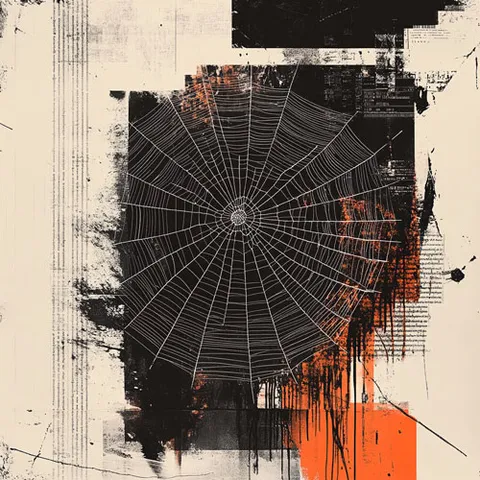
The Spider Web
The Spider Web symbolically connects participants to visualize relationships and foster mutual understanding within a group.
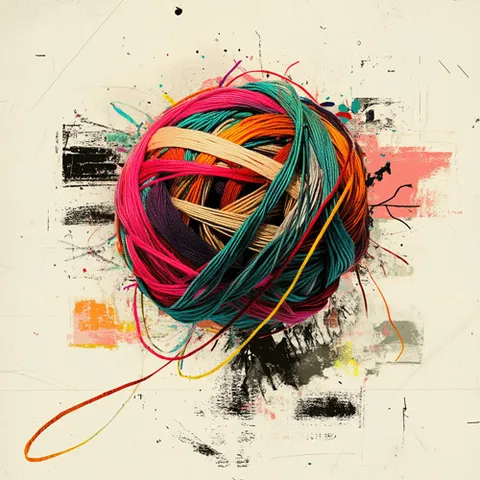
Ball of thread
Ball of thread is a collaborative activity where participants build a symbolic thread network to reflect their connections, fostering group cohesion and teamwork.
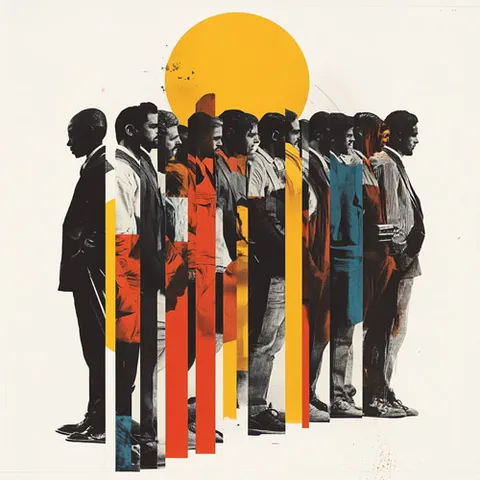
Human Line
Human Line is a group activity in which participants must line up according to specific criteria, encouraging cooperation and mutual understanding.

Human Sculpture
Human Sculpture fosters creativity and group reflection through the bodily representation of concepts or ideas.
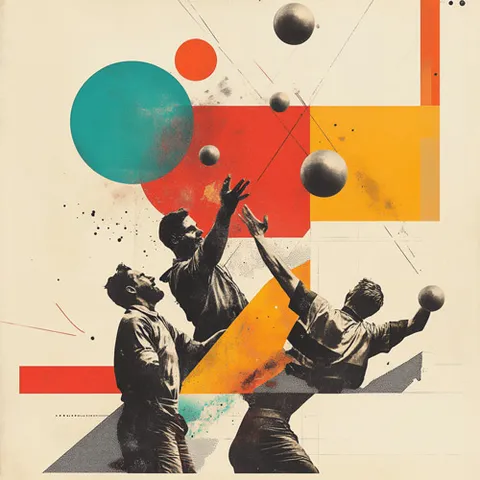
Throw and Catch
Throw and Catch is a collaborative activity where participants must coordinate to keep multiple balls in motion, fostering cooperation, focus, and teamwork.
Communicating better
These dynamics make visible what is normally invisible: how we communicate, where information gets lost, what happens when we can't use words. By revealing the mechanisms of communication through play, they create learnings that teenagers remember far more than any explanation.
Back-to-Back Drawing
Back-to-Back Drawing is a participatory activity in which participants work in pairs to describe and reproduce an image without seeing it, fostering communication and active listening skills.

Broken Telephone
Broken Telephone is a collaborative game that demonstrates how messages change when passed along, fostering communication skills, active listening, and creativity.

Say It with Mime
Say It with Mime is a fun and collaborative activity where participants must act out words or phrases using gestures for their team to guess.

Taboo
Taboo is a participatory activity in which participants must describe words without mentioning specific key terms, promoting creativity and effective communication in a fun environment.
Guess the Drawing
Guess the Drawing is a participatory activity in which participants represent words or concepts through drawings for their team to guess, promoting creativity and teamwork.
Yes, but...
Yes, but... is a brainstorming activity where participants explore creative reasons to avoid taking a specific action, using avoidance as a tool to analyze barriers and encourage critical thinking.
Solving problems as a team
The most demanding level of collaboration: working together toward a goal under pressure, with limited resources and roles that need to be negotiated. These dynamics generate real challenges requiring role distribution, collective strategy, and tolerance for frustration — exactly the skills teenagers need to develop.
Participatory Escape Room
Participatory Escape Room is a participatory dynamic where a group works collaboratively to solve puzzles and challenges within a limited time, developing critical thinking, effective communication, and creative problem-solving.
The Strongest Bridge
The Strongest Bridge is a collaborative activity where teams design and build bridges that must withstand progressively heavier weights, reflecting on resource optimization, collaboration, and creativity in practical scenarios.

Collective Rube Goldberg Machine
Collective Rube Goldberg Machine is a participatory activity where teams collaboratively build a whimsical chain reaction device to perform a simple task, using creativity, problem-solving, and everyday materials to spark teamwork and fun experimentation.

Model Building
Model Building is an activity that allows participants to represent ideas or solutions using simple materials, fostering creativity and hands-on learning.
Team Puzzle
Team Puzzle is a fast-paced group activity where participants form teams by finding others who hold matching puzzle pieces. It encourages communication, collaboration, and energizes the group right from the start.

Ball Sliding
Ball Sliding fosters teamwork and creativity by challenging participants to move a ball collaboratively without touching it.
Collective creativity
Collaborative creativity is different from individual creativity: it requires listening, building on others' ideas, and letting go of control over the outcome. These dynamics create experiences where the final product is genuinely collective — nobody can claim it as theirs alone.
Exquisite Corpse
Exquisite Corpse is a participatory activity where each person contributes to a collective creation while seeing only fragments of the previous work, generating unexpected and collaborative creative results.
Crazy 8
Crazy 8 is a fast-paced brainstorming activity designed to spark creativity and generate innovative solutions by sketching eight ideas in eight minutes. Perfect for teams aiming to think outside the box!
Collaborative sketching
Collaborative sketching is a visual activity that encourages the expression of ideas and the joint development of solutions through quick and simple drawings.
Comic Strip Creation
Comic Strip Creation is a participatory activity that allows participants to express learnings or explore topics through graphic and creative narratives.
What If
What if fosters creativity and critical analysis by exploring hypothetical scenarios in a team setting.
Reflection and closing
The close is the most frequently skipped and most important part of the process. A group that doesn't close well carries unprocessed experiences. These dynamics create the space for teenagers to name what they lived, recognize each other, and take something concrete from the experience.
The Sunset
The Sunset is a participatory activity that invites participants to reflect on the importance of questions in the creative process.
Circle of gratitude
The Circle of gratitude promotes gratitude and mutual recognition among participants, strengthening group bonds and fostering a positive environment.
I Like, I Wish, I Wonder
I Like, I Wish, I Wonder is a participatory activity where people reflect on a shared experience by expressing what they appreciated, what they would improve, and what questions they are left with, creating a space for honest feedback, learning, and connection.

The Letter
The Letter is a reflective activity that allows participants to write meaningful messages to explore emotions, thoughts, and personal connections.
Time Capsule
Time Capsule is a reflective activity that allows participants to capture their current ideas, wishes, and learnings in a symbolic capsule to be opened in the future, fostering introspection and group cohesion.
Emotion Journal
Emotion Journal is a reflective practice that helps track emotional patterns, promote self-regulation, and foster empathy.
Keys to facilitating collaborative games with teenagers
1. Sequence matters more than the individual dynamic
An excellent dynamic at the wrong moment can fail. The order proposed in this collection — know each other, trust, communicate, solve, create, close — is not arbitrary: each phase creates the conditions for the next. Jumping directly to problem-solving without having built trust produces frustration and disconnection.
2. Teenagers need a voice in the process
Unlike children, teenagers are sensitive to feeling instrumentalized. Explaining the purpose of each dynamic, asking their opinion on the rules, and allowing them to modify activities not only increases participation — it builds the kind of agency that is the real goal of all social-emotional education.
3. The debrief is where real learning happens
The dynamic generates the experience; the subsequent conversation generates the learning. Reserve between a quarter and a third of the total time for the debrief, with questions that move from concrete ("what happened?") to reflective ("what did you learn about how you work in a team?") to transferable ("when in your real life does this apply?").
4. Design for inclusion from the start
In every group of teenagers there are people with less willingness to participate in physical activities, to speak publicly, or to expose themselves creatively. Choose dynamics that offer multiple ways to participate, allow some to observe before joining, and avoid activities that expose someone who doesn't want to be exposed. Inclusion is not a later adjustment — it is a design decision from the beginning.