Year-End Appreciation Activities for Teams
Strategies for cultivating gratitude, strengthening bonds, and closing the cycle with mutual recognition
Gratitude is one of the most powerful tools for strengthening team cohesion and creating positive work environments. Year-end appreciation activities offer a structured space where group members can acknowledge the support they received, express gratitude for their colleagues' contributions, and celebrate the efforts that made the year's achievements possible. These participatory activities generate deep emotional connections, increase job satisfaction, and close the annual cycle with positive energy.
Through participatory methodologies centered on gratitude, teams can create meaningful rituals that honor collective effort and recognize the importance of each person in the group's workings. This type of activity is also known as: group recognition exercises, collective gratitude exercises, appreciation circles, mutual appreciation activities, or year-end recognition sessions.
Why organize year-end appreciation activities?
Year-end appreciation activities are especially valuable because they mark a positive emotional close to the work cycle. Unlike informal day-to-day recognition, these structured activities ensure that everyone both gives and receives appreciation, creating a shared experience of mutual acknowledgment.
Some of the main advantages of incorporating appreciation activities in workplace, educational, or community settings include:
- Strengthening cohesion and the sense of group belonging.
- Increasing team members' satisfaction and motivation.
- Creating a positive and trusting organizational climate.
- Recognizing contributions that often go unnoticed.
- Improving interpersonal relationships and communication.
- Generating meaningful emotional closure for the year.
- Reducing stress and improving the team's emotional well-being.
Types of year-end appreciation activities
Appreciation circles and rituals
These activities create ceremonial spaces where each person has the opportunity to express gratitude toward their colleagues. Through talking circles, symbolic rituals, or structured recognition formats, teams can share genuine appreciation in an atmosphere of respect and deep listening. They are especially powerful for creating memorable moments of emotional connection.
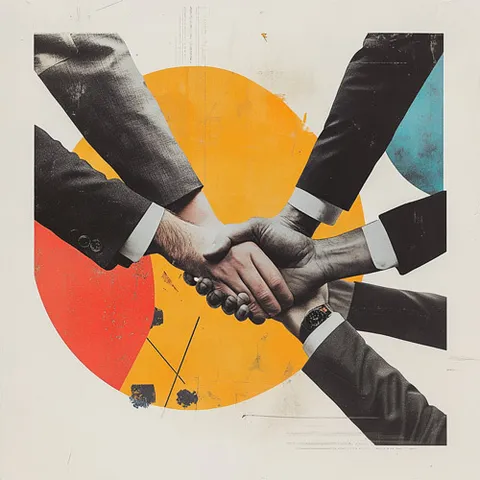
Cascade Greeting
Cascade Greeting is a closing activity where participants greet each other progressively, wishing one another well for the future and creating an atmosphere of gratitude and interpersonal connection.

Secret Santa
Secret Santa is a participatory dynamic where each person anonymously cares for or gives to another group member, fostering generosity, mutual recognition, and a sense of belonging.
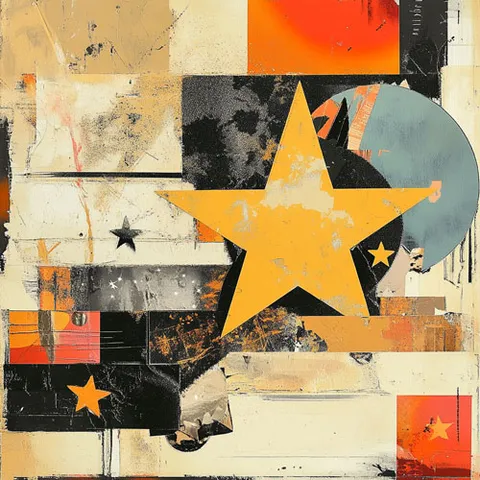
Stars
Las estrellas es una dinámica colaborativa donde los participantes reflejan sus fortalezas y contribuciones en un cielo colectivo, promoviendo la autovaloración, el sentido de pertenencia y la unidad grupal.
The Letter
The Letter is a reflective activity that allows participants to write meaningful messages to explore emotions, thoughts, and personal connections.
Activities for reflection on shared contributions and learning
These activities combine appreciation with reflection on how each person's contributions enriched collective learning. Teams can recognize not only the results achieved, but also the ways each member brought knowledge, skills, or valuable perspectives. They are especially useful in educational contexts or project teams.

Collective Journal
The Collective Journal is a participatory activity that allows groups to record daily progress, reflections, and learnings, fostering continuous improvement and collaborative documentation.
Epic Failure
Epic Failure is a participatory activity that invites people to reframe and share failures as valuable learning experiences, turning setbacks into collective strength and resilience.

Favorite Little Things
Favorite Little Things is a warm participatory activity that invites people to share the small everyday moments that bring them joy, building connection and appreciation within the group.
Participatory Infographic
Participatory Infographic transforms key information into collaborative visual representations, fostering creativity and active learning.

Treasure Hunt
The Treasure Hunt combines teamwork and challenge-solving to promote active learning and collaboration in an engaging, game-based format.
Group and collective recognition activities
These activities allow teams to recognize both collective achievements and individual contributions. Through participatory exercises, groups can celebrate milestones reached, acknowledge specific efforts, and make visible each person's impact on shared results. These activities foster mutual appreciation and a sense of shared achievement.
Cascade Greeting
Cascade Greeting is a closing activity where participants greet each other progressively, wishing one another well for the future and creating an atmosphere of gratitude and interpersonal connection.
Daily achievements board
The Daily achievements board is a visual and participatory tool for recording and celebrating daily progress, fostering motivation and reflective team analysis.
Secret Santa
Secret Santa is a participatory dynamic where each person anonymously cares for or gives to another group member, fostering generosity, mutual recognition, and a sense of belonging.
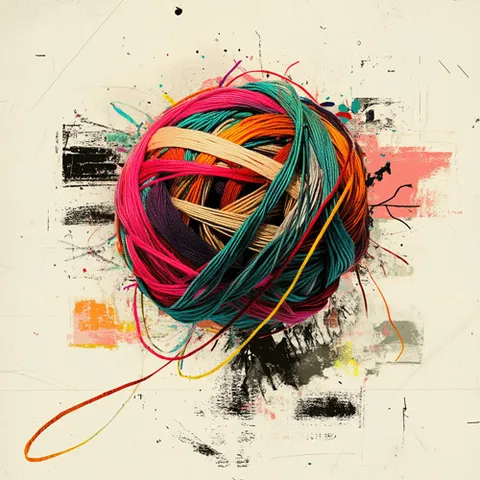
Ball of thread
Ball of thread is a collaborative activity where participants build a symbolic thread network to reflect their connections, fostering group cohesion and teamwork.

Connecting People
Connecting People is a collaborative activity where participants interact based on observable descriptions, encouraging interaction, mutual understanding, and group fun.
Favorite Little Things
Favorite Little Things is a warm participatory activity that invites people to share the small everyday moments that bring them joy, building connection and appreciation within the group.
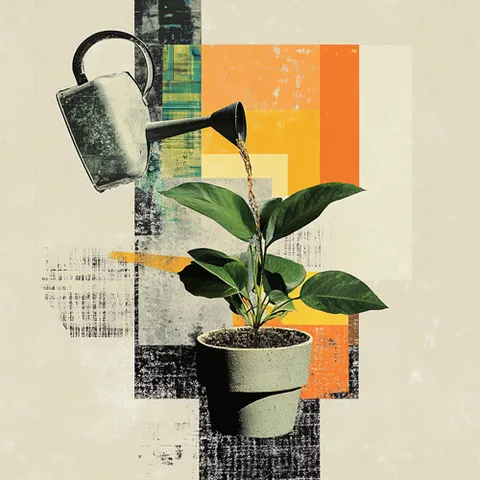
GROW Coaching
GROW Coaching is a collaborative activity that uses the GROW model to foster coaching skills and personal reflection, creating meaningful connections among participants.
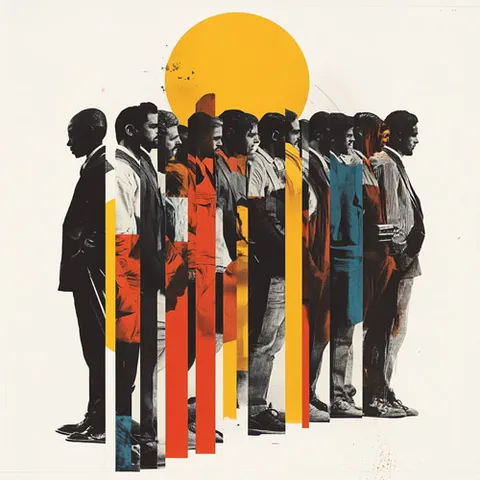
Human Line
Human Line is a group activity in which participants must line up according to specific criteria, encouraging cooperation and mutual understanding.

Identity sliders
Identity sliders is a participatory and collaborative activity to collectively build the vision and values of a group or project, fostering dialogue and cohesion.
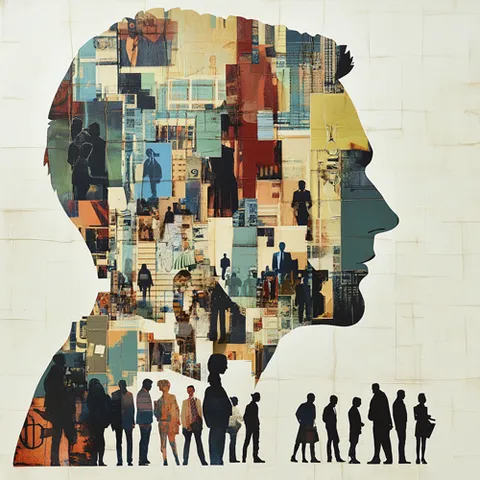
Skills Mosaic
Skills Mosaic is a participatory activity that helps teams identify and visualize their collective strengths, fostering collaboration, trust, and mutual recognition.
Stars
Las estrellas es una dinámica colaborativa donde los participantes reflejan sus fortalezas y contribuciones en un cielo colectivo, promoviendo la autovaloración, el sentido de pertenencia y la unidad grupal.
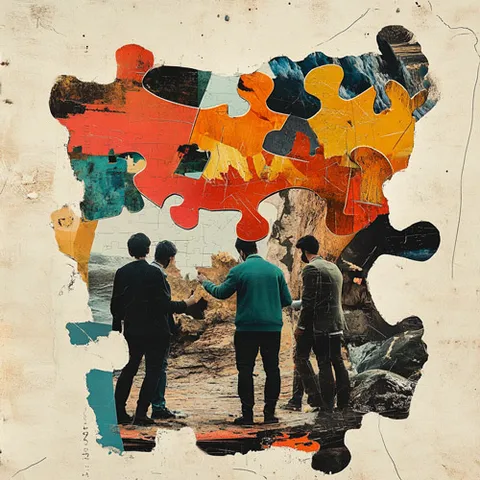
Team Puzzle
Team Puzzle is a fast-paced group activity where participants form teams by finding others who hold matching puzzle pieces. It encourages communication, collaboration, and energizes the group right from the start.
Creative gratitude expression activities
These activities invite teams to express appreciation through creative media such as letters, drawings, videos, symbolic objects, or artistic creations. By using different expressive languages, participants can communicate appreciation in deeper and more personalized ways. These activities are ideal for creative teams or when the goal is to create tangible memories of the recognition received.
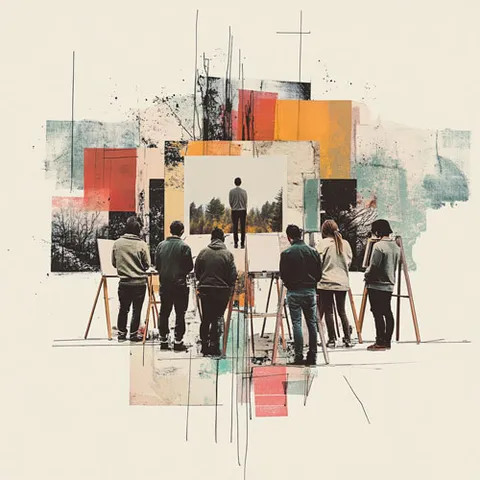
Collaborative Life Drawing
Collaborative Live Drawing is an artistic and group-based activity where participants take turns drawing on each other's sheets, based on observation sessions with live models or objects. The constant rotation promotes collaboration, the exploration of multiple styles, and a collective reflection on perception, the body, and shared creation.
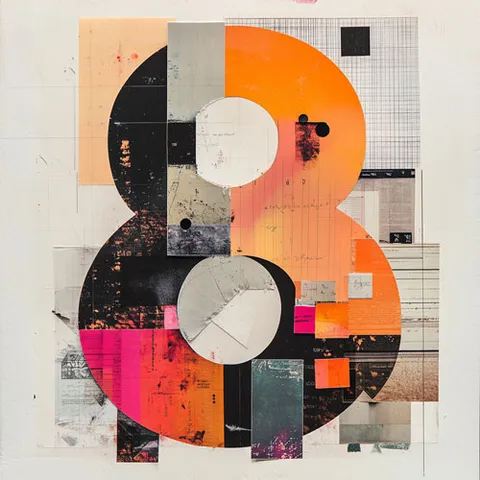
Crazy 8
Crazy 8 is a fast-paced brainstorming activity designed to spark creativity and generate innovative solutions by sketching eight ideas in eight minutes. Perfect for teams aiming to think outside the box!
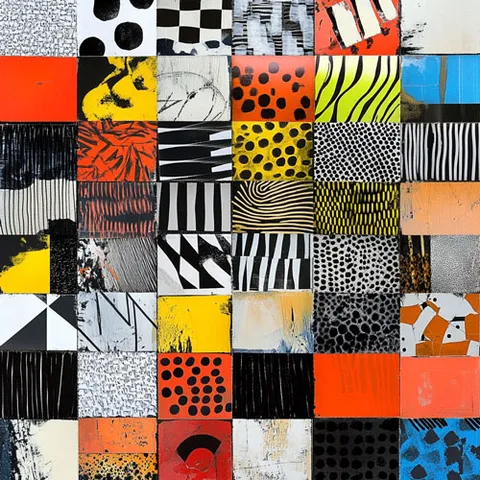
Creative Mark Exploration
Creative Mark Exploration is a participatory activity that encourages experimentation with strokes and textures to discover personal styles.
Guided Visualizations
Guided Visualizations is a participatory activity where participants co-create a visualization in a chain format, exploring creativity and group connection through collective storytelling. It is ideal for fostering reflection, relaxation, and shared imagination.

Tandem Drawing
Tandem Drawing is a collaborative activity that promotes creativity and communication, where participants work together to create synchronized and unique drawings.

The Sunset
The Sunset is a participatory activity that invites participants to reflect on the importance of questions in the creative process.

Urban Sketching
Urban Sketching is a participatory activity where individuals draw real-life urban or community spaces through direct observation. It encourages artistic expression, fosters a deeper connection with the environment, and transforms everyday places into sources of inspiration and shared reflection.

Ball Sliding
Ball Sliding fosters teamwork and creativity by challenging participants to move a ball collaboratively without touching it.

Brainstorming
Brainstorming fosters collective creativity and collaboration by generating multiple proposals to address a specific challenge.
Circle of gratitude
The Circle of gratitude promotes gratitude and mutual recognition among participants, strengthening group bonds and fostering a positive environment.
Collaborative Competition
Collaborative Competition is an activity that combines teamwork with problem-solving in a friendly, competitive format to foster creativity and learning.
Collaborative sketching
Collaborative sketching is a visual activity that encourages the expression of ideas and the joint development of solutions through quick and simple drawings.
Playful appreciation games and activities
These activities incorporate game elements to make gratitude more fun and accessible. Through playful formats such as gratitude bingos, surprise exchanges, or collaborative games with a recognition component, teams can express appreciation in a relaxed and joyful atmosphere. They are ideal for breaking the ice and creating a festive climate at year-end celebrations.

Broken Telephone
Broken Telephone is a collaborative game that demonstrates how messages change when passed along, fostering communication skills, active listening, and creativity.
Collaborative Life Drawing
Collaborative Live Drawing is an artistic and group-based activity where participants take turns drawing on each other's sheets, based on observation sessions with live models or objects. The constant rotation promotes collaboration, the exploration of multiple styles, and a collective reflection on perception, the body, and shared creation.
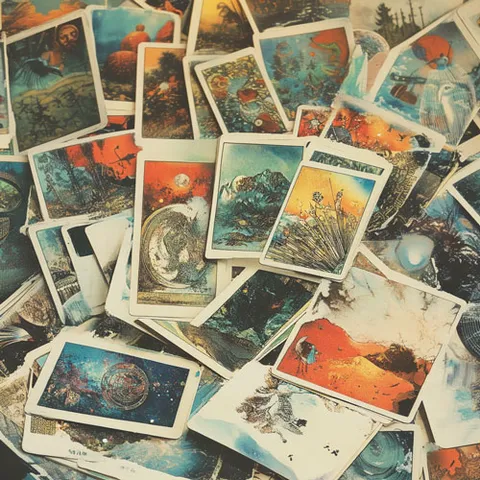
Collaborative Oracle Card Creation
Collaborative Oracle Card Creation is a participatory activity where participants co-design a deck of oracle cards with meaningful symbols and messages, fostering creativity and collective reflection.
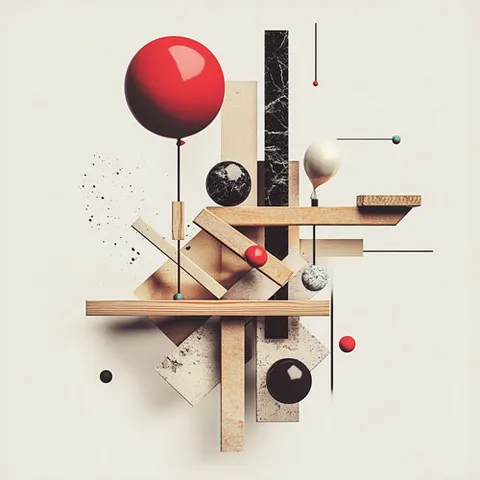
Collective Rube Goldberg Machine
Collective Rube Goldberg Machine is a participatory activity where teams collaboratively build a whimsical chain reaction device to perform a simple task, using creativity, problem-solving, and everyday materials to spark teamwork and fun experimentation.
Connecting People
Connecting People is a collaborative activity where participants interact based on observable descriptions, encouraging interaction, mutual understanding, and group fun.
Creative Mark Exploration
Creative Mark Exploration is a participatory activity that encourages experimentation with strokes and textures to discover personal styles.
Favorite Little Things
Favorite Little Things is a warm participatory activity that invites people to share the small everyday moments that bring them joy, building connection and appreciation within the group.
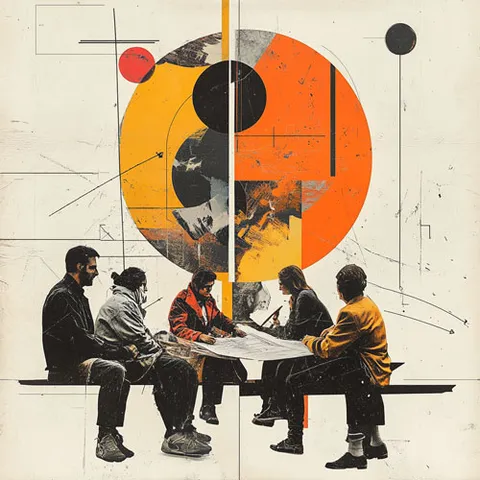
Guess the Drawing
Guess the Drawing is a participatory activity in which participants represent words or concepts through drawings for their team to guess, promoting creativity and teamwork.

Hangman
Hangman is a classic collaborative activity that reinforces knowledge, fosters teamwork, and stimulates learning through fun and creativity.
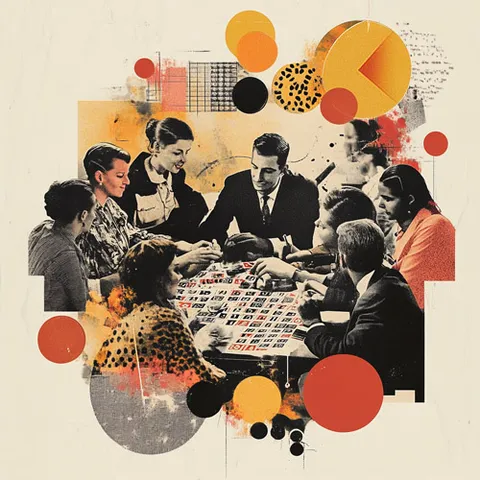
Intro Bingo
Intro Bingo es una dinámica rompehielos en la que los participantes completan tarjetas de bingo buscando personas dentro del grupo que cumplan con ciertos atributos. Esta actividad fomenta la interacción, el conocimiento mutuo y la creación de conexiones de manera lúdica y participativa.

Memory Game
Juego de la memoria es una dinámica lúdica y colaborativa donde los participantes emparejan tarjetas relacionadas para explorar conceptos, promover el aprendizaje y fomentar el trabajo en equipo.

Never Have I Ever
Never Have I Ever is a collaborative game where participants share experiences in a relaxed environment, promoting connection and group empathy.
Strategies for implementing appreciation activities effectively
To implement year-end appreciation activities effectively, it is important to create the right conditions for gratitude to flow authentically and meaningfully. The following are key strategies for facilitating appreciation experiences that truly impact the team's well-being and cohesion:
1. Create an environment conducive to authenticity
Genuine appreciation only emerges when people feel safe and comfortable:
- Set the right emotional tone: Choose a calm and comfortable space, different from the usual work environment if possible.
- Model vulnerability: As a facilitator, share sincere appreciations to lead by example.
- Emphasize authenticity over obligation: Make it clear that this is genuine recognition, not a bureaucratic exercise.
- Allow different levels of depth: Respect that some people need more time to open up emotionally.
- Manage the pace: Don't rush the process; appreciation requires space to be felt and expressed.
2. Select inclusive recognition formats
Different people feel comfortable expressing gratitude in different ways:
- Combine verbal and written formats: Offer options for those who prefer to write rather than speak in public.
- Include creative options: Allow people to use drawings, metaphors, or symbolic objects if they prefer.
- Consider anonymous and named activities: Some people feel more comfortable with anonymous recognition initially.
- Adapt to group size: Use small-group activities for large teams, ensuring intimacy.
- Respect cultural differences: Consider that in some cultures, public expression of emotions may be uncomfortable.
3. Structure appreciation to ensure equity
It is important that everyone receives recognition, not only the most visible members:
- Use circular formats: Activities where each person both gives and receives appreciation ensure equity.
- Recognize different types of contributions: Make visible technical, emotional, organizational, and relational contributions.
- Highlight invisible contributions: Invite acknowledgment of support, logistics, or care work that often goes unnoticed.
- Avoid competitions: Design activities that celebrate everyone without creating recognition hierarchies.
- Include introverted people: Ensure that those who speak less also receive explicit appreciation.
4. Prepare the team to give meaningful appreciation
Generic appreciation has little impact. For it to be meaningful:
- Invite specificity: Ask that appreciation mention concrete actions or moments.
- Foster recognition of impact: Encourage sharing how the other person's contribution positively affected the team.
- Give preparation time: Notify in advance so people can reflect on what they want to appreciate.
- Offer guiding examples: Share examples of specific vs. generic appreciation to orient the group.
- Provide trigger questions: "What moment of the year with this person do you especially value? How did their support help you?"
5. Integrate appreciation into organizational culture
Year-end activities are more powerful when connected to ongoing practices:
- Connect with organizational values: Link appreciation to the values the team wants to cultivate.
- Document the recognition: Create records (letters, videos, murals) that can be revisited in the future.
- Celebrate daily micro-appreciations: Use the year-end activity as a launch pad for a culture of continuous gratitude.
- Involve leadership: Ensure leaders participate actively, not only as recipients but also as givers of appreciation.
- Measure impact: Ask the team how they felt about the experience and what they would improve for next year.
6. Combine appreciation with closure and celebration
Appreciation activities are more effective when integrated into a broader closure ritual:
- Position appreciation strategically: It can come at the beginning (opens hearts), in the middle (deepens), or at the close (seals emotionally).
- Balance emotion and joy: Allow emotions to flow but also include moments of lighthearted celebration.
- Create symbolic rituals: Incorporate elements such as candles, music, or symbols that give solemnity to the moment.
- Connect past and future: Appreciate what was received while sowing intentions for the new year.
- End with positive energy: Close with a note of hope, renewed commitment, and collective celebration.
7. Sustain the impact beyond the activity
For appreciation to have lasting effects:
- Document learnings about the team: Record what group strengths emerged through the appreciation.
- Create memorable artifacts: Compile appreciations into a document, video, or physical mural.
- Establish follow-up practices: Propose regular appreciation rituals for the coming year.
- Connect recognition with development: Use appreciation to identify strengths to build on.
- Appreciate the process itself: Acknowledge the team's courage in opening up emotionally.
By implementing these strategies, year-end appreciation activities become transformative experiences that not only close the cycle with warmth and mutual recognition, but also sow the seeds of a more humane, appreciative, and collaborative organizational culture.