Experiential Environmental Education and Pachamama: Activities for Connecting with the Earth
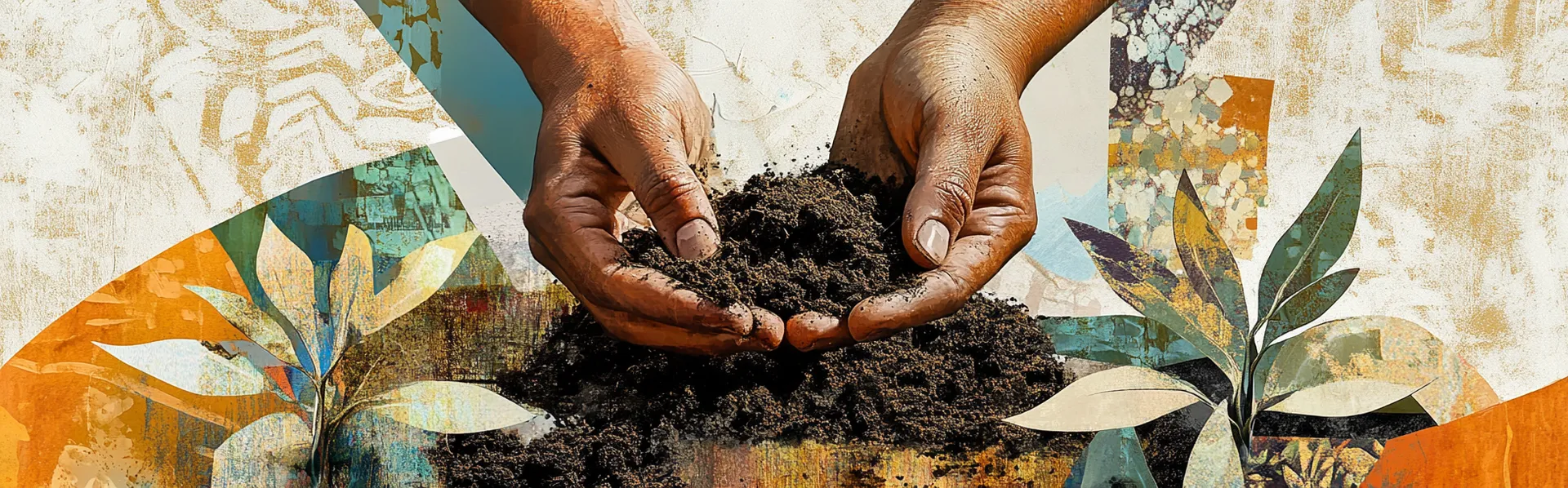
Experiential Activities for Reconnecting with the Earth and the Environment
In the Andean traditions of Bolivia, Peru, Ecuador and northwest Argentina, August is the month of the Pachamama: the time when the earth is open, receptive and asks to be honored. This worldview, which does not separate human beings from the natural world but recognizes them as part of it, offers a powerful philosophical foundation for rethinking environmental education. This collection brings together participatory activities that make possible a direct encounter with nature, with one's own territory and with the collective action that can protect it. They are useful tools for teachers, community facilitators in urban and rural areas, and environmental organizations.Why does environmental education need to be experiential?
- It generates direct experiences of contact with nature that activate emotional connection.
- It develops the capacity for observation and knowledge of one's own territory.
- It recovers traditional knowledge about the relationship with the land that modernization has made invisible.
- It creates spaces for collective action where environmental care is experienced as a possible practice.
Types of experiential environmental education activities
Exploration and connection with nature
Before analyzing the environment, you have to perceive it. These activities propose experiences of direct and conscious contact with the natural world: walking barefoot, observing with all the senses, identifying plants and animals of the nearby territory.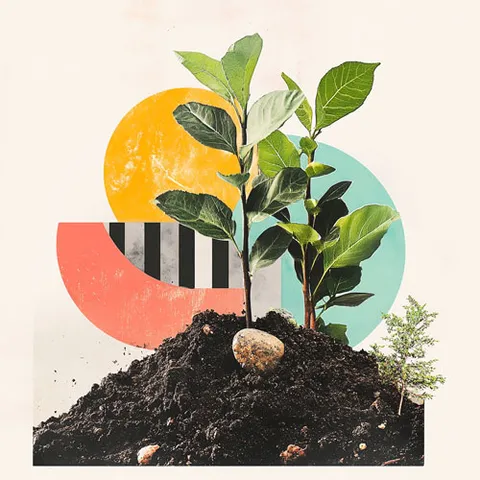
Community Planting Day
Community Planting Day is a participatory dynamic where a group comes together to plant vegetation in a shared space, promoting environmental awareness, social connection, and collective responsibility.
Community Garden
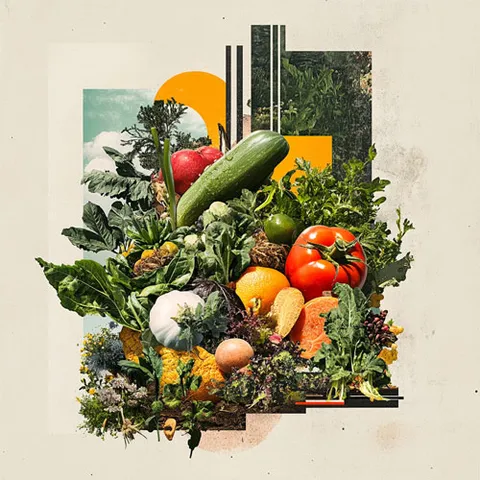
Community garden is a participatory activity in which neighbors, students, or community groups come together to create and care for a garden in a shared space. Through collaborative work, they grow food, exchange knowledge, and strengthen their connection with the environment and the community.
Model Building
Model Building is an activity that allows participants to represent ideas or solutions using simple materials, fostering creativity and hands-on learning.
Art Trail
Art Trail is a collaborative activity in which participants intervene in a public or community space through collective artistic actions, aiming to reframe and transform it into a unique, meaningful, and shared place for the community.
Photo Storytelling
Photo Storytelling is an activity where participants select random images and use them to construct a story, fostering creativity and group engagement.
Participatory photography
Empower participants through participatory photography, a creative activity to capture and analyze realities, foster critical reflection, and inspire collective action using visual storytelling.
Territorial diagnosis and participatory environmental mapping
Territory is known by walking it and naming it with those who inhabit it. These activities help the group explore and analyze its environment from its own categories. Participatory mapping produces collective knowledge that no external technical study can generate: the knowledge of those who live in and with that territory.
Force field analysis
Force field analysis is a participatory analysis tool developed by Kurt Lewin that helps a group identify the forces driving a desired change and those restraining it, in order to design strategies that strengthen the former and weaken the latter.
Local Connections Map
The Local Connections Map is a participatory tool for identifying and analyzing existing networks within an environment, promoting collaboration and strengthening key relationships.
Risk mapping
Risk mapping is a visual and participatory tool for identifying and analyzing threats and vulnerabilities in a specific area or context, fostering collective strategies for prevention and response.

Treasure Hunt
The Treasure Hunt combines teamwork and challenge-solving to promote active learning and collaboration in an engaging, game-based format.
Urban Sketching
Urban Sketching is a participatory activity where individuals draw real-life urban or community spaces through direct observation. It encourages artistic expression, fosters a deeper connection with the environment, and transforms everyday places into sources of inspiration and shared reflection.
Situationist Drift
The Situationist Drift invites participants to explore urban spaces freely and subjectively, fostering creativity and critical reflection on the environment.
Community action and sustainable development
Environmental awareness without action generates helplessness. These activities help the group identify concrete problems, generate proposals and design viable collective actions. They turn environmental concern into collective agency.
Solution tree
Solution tree is a collaborative activity to analyze problems, identify root causes, and develop actionable solutions. Ideal for fostering teamwork, critical thinking, and creative problem-solving.
How Might We (HMW)
How Might We is a Design Sprint methodology that transforms pain points into positive, collaborative questions, guiding the team toward creative solutions.
Project bank
The Project Bank is a participatory activity for presenting, evaluating, and prioritizing proposals, fostering collaborative resource allocation and the strategic development of ideas.
Community Auction
The Community Auction is an activity where projects symbolically compete for resources, fostering collective evaluation and critical analysis of priorities.
Ideas marketplace
The Ideas marketplace is a participatory activity that simulates a market where participants collectively decide how to allocate a budget among various ideas or projects.
Make a Wish
Make a Wish is a participatory dynamic in which a community identifies meaningful wishes or needs that can be addressed collectively, votes on one of them, and organizes collaborative actions to make it come true, gathering support from individuals, organizations, and local businesses.
Environmental art and collective expression
Art allows the expression of one's relationship with the territory, denouncing environmental damage or celebrating local biodiversity in ways that technical reports cannot communicate. Community environmental art has a long tradition in Latin America.
Body map
Body mapping is a participatory visual research method in which participants create a life-size representation of their own body to explore their experiences, emotions, identities, and stories through drawing, color, and symbol.
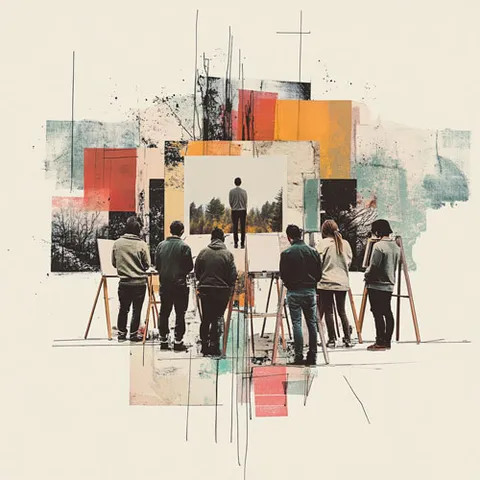
Collaborative Life Drawing
Collaborative Live Drawing is an artistic and group-based activity where participants take turns drawing on each other's sheets, based on observation sessions with live models or objects. The constant rotation promotes collaboration, the exploration of multiple styles, and a collective reflection on perception, the body, and shared creation.
Participatory Infographic
Participatory Infographic transforms key information into collaborative visual representations, fostering creativity and active learning.
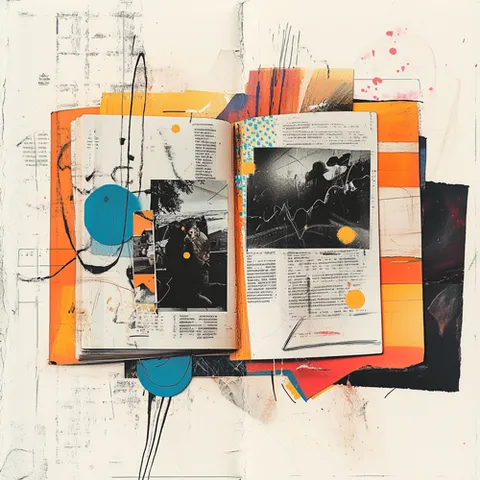
Zine Creation
Zine Creation is an artistic and collaborative activity where participants design and assemble a small handmade publication, exploring a topic from multiple creative perspectives.
Visual Inspiration Workshop
The Visual Inspiration Workshop uses images, colors, and symbols to explore ideas, emotions, and concepts in a creative and collaborative way.
Participatory territorial monitoring
Caring for the environment is a continuous practice, not an isolated event. These activities help communities establish their own mechanisms for observation, recording and tracking of their environment. They turn the group into an active guardian of the territory.
Delphi method
The Delphi method is a structured consultation technique that collects and synthesizes the judgment of a group of people through successive rounds of questionnaires and anonymous feedback, progressively converging toward an informed consensus.
Collective Questionnaire
The Collective Questionnaire is a participatory dynamic that enables the collaborative design of key questions, ensuring their relevance and usefulness for the project's or research’s purpose.
Chronological Review
The Chronological Review is a participatory activity that analyzes progress by comparing it to the planned timeline, promoting adjustments and reflections to ensure the project's success.
Bottleneck Analysis
The Bottleneck Analysis is a participatory tool for identifying and addressing recurring obstacles in a project, optimizing processes, and promoting effective collaboration.
Benefit Map
The Benefit Map is a visual tool that connects projects with the positive impacts they generate, helping to prioritize actions and maximize results in participatory contexts.
Timeline
Create a collaborative timeline activity to visually analyze key events, foster reflection, and generate insights. Ideal for planning, evaluation, and team building.
Strategies for Facilitating Experiential Environmental Education Processes
1. The territory as classroom
- Choose a nearby, meaningful place: you don't need to go far. A schoolyard, a plaza, a nearby stream are enough.
- Ask locals: older neighbors, community members, farmers often have invaluable territorial knowledge.
- Avoid environmental tourism: genuine connection requires time, repetition and belonging.
2. Recover traditional knowledge about the land
- Invite community elders to share what they know about the territory.
- Document that knowledge respectfully and with the consent of those who share it.
- Incorporate the agricultural calendar, lunar cycles and land-related festivities into the pedagogical design.
3. Integrate the Month of Pachamama into pedagogical design
- Research with the group what Pachamama means for the cultures of the region.
- Design a collective symbolic offering: a gesture of gratitude and recognition toward the earth.
- Use August as an anchor for a long-term environmental project that lasts the entire school year.