Activities for Participatory Strategic Planning

The plan everyone understands, owns, and will actually implement
Participatory strategic planning is not a decorative consultation. It is a genuine process where multiple actors — senior leadership, operational teams, partners, beneficiaries, community — contribute information, perspectives, and judgments that leadership alone cannot have. The result is not just a better-informed plan: it is a plan people feel ownership over, and therefore actually follow through on.
This collection organizes the most effective activities for each phase of the strategic process, from participation design to closing commitments.
Who is this collection for?
- Facilitators of organizational or area strategic processes
- Consultants and organizational development teams
- Government teams reformulating policies or strategies
- Leaders who want their strategic plan to be more than a document
Process Framing and Design
Before the first session, you need to design the participation itself. Who participates and in what role? How will decisions be made? What is the scope of the participatory mandate? A poorly framed process generates expectations that won't be met — and that erodes more trust than not consulting at all. The activities in this phase help design the process with intentionality and gather signals from the field before sessions begin.
Technology of Participation (ToP)
ICA facilitation system with three core methods — ORID Focused Conversation, Consensus Workshop, and Action Planning — to move groups from reflection to committed action.

Deliberative Poll
Combines a scientific survey with facilitated deliberation to measure how public opinion shifts when citizens engage with balanced information and genuine peer dialogue.

Open space
Open space (Open Space Technology) is a group self-organization methodology in which participants themselves create the agenda, choose the sessions, and define the topics of work, radically liberating collective intelligence without a pre-established program.

World Café
A structured conversational process where small groups rotate between tables and layer ideas collectively. Surfaces shared intelligence and consensus in groups of 20 to 100+ people.
Environmental Diagnosis
A strategic plan that doesn't start from an honest reading of the environment is built on assumptions. This phase generates the collective input that gives the process a common foundation: where we are, what forces act on us, who the relevant actors are, and what information we have. Participation in diagnosis not only improves the quality of analysis — it also creates the shared context that makes joint planning possible.
Participatory SWOT Analysis
Participatory SWOT Analysis is a collaborative tool used to identify and connect strengths, opportunities, weaknesses, and threats to design collective strategies.
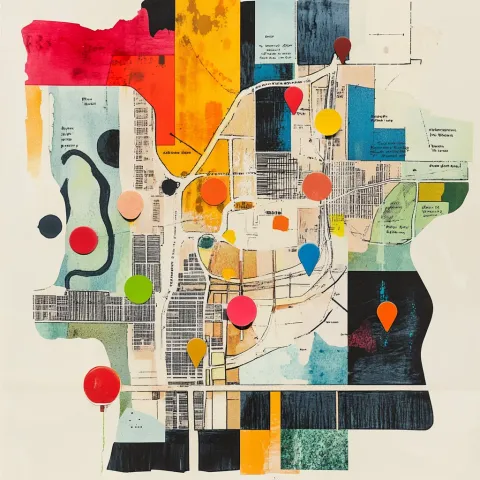
Participatory Mapping
Community members collectively map their territory, resources, and needs. Essential for community diagnosis, local public policy, and territorial rights advocacy.

Force field analysis
Force field analysis is a participatory analysis tool developed by Kurt Lewin that helps a group identify the forces driving a desired change and those restraining it, in order to design strategies that strengthen the former and weaken the latter.

Collaborative Benchmarking
Collaborative Benchmarking promotes continuous improvement through comparative analysis and the adaptation of successful practices to one's own context.
Deep Strategic Analysis
Diagnosis tells you what exists. Strategic analysis tells you what it means and where it might lead. This phase takes the group to read the data more deeply: what systemic patterns explain the current situation, what scenarios are plausible for the coming period, and what experts know that the process hasn't yet integrated. Without this step, the plan reacts to symptoms instead of addressing root causes.
Participatory Scenario Planning
Method for thinking under uncertainty: diverse stakeholders build four plausible futures, then identify strategies robust enough to hold regardless of which scenario unfolds.

The Iceberg Model
The Iceberg Model is a mindful methodology that analyzes both visible and hidden aspects of products and services to foster sustainable and strategic design.
Delphi method
The Delphi method is a structured consultation technique that collects and synthesizes the judgment of a group of people through successive rounds of questionnaires and anonymous feedback, progressively converging toward an informed consensus.
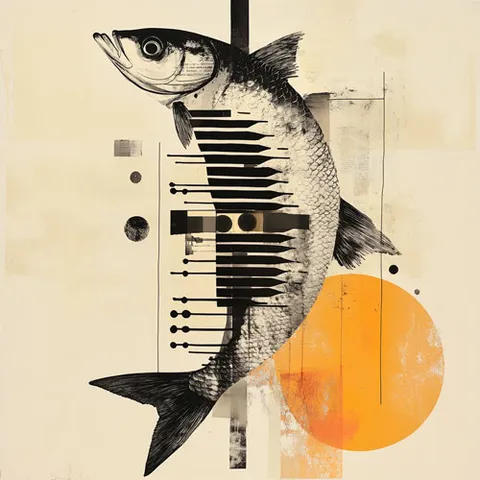
Root Cause Analysis
Root Cause Analysis uses the fishbone diagram to identify the main causes of a problem and promote effective solutions.
Shared Vision Building
Once the group has a shared reading of the present, it is in a position to imagine the future from an honest place. Vision is not a slogan: it is an image of success concrete enough to guide decisions and inspiring enough to sustain effort when the path gets difficult. The activities in this phase build that image from the real strengths and genuine aspirations of the actors, not just from leadership's wishes.
Appreciative inquiry
Appreciative inquiry is an organizational and community change methodology that begins from what is already working well to build the desired future, rather than analyzing problems and deficits.

Future Search Conference
Conference method that brings all system stakeholders together for 2–3 days to build shared understanding and co-create an actionable common future.

Visioning Workshop
Strategic planning methodology for co-creating a concrete image of a desired future, establishing the foundation for collective transformation and change processes.

Future scenarios
The Future Scenarios activity allows participants to imagine different development possibilities to anticipate risks, seize opportunities, and generate innovative ideas.
Strategic Prioritization
Between vision and a concrete plan lies a hard question: where do we start? There are more important things to do than capacity to do them all. Strategic prioritization is the process of collectively deciding where to concentrate energy, with explicit criteria and methods that prevent priorities from being set by whoever has the loudest voice. The activities in this phase produce a set of strategic focus areas that the group understands and supports.
Nominal Group Technique (NGT)
Participatory technique combining silent idea generation and anonymous voting to produce ranked priority lists free from hierarchical influence and social pressure.

Dot Voting
Dot Voting is a participatory technique that combines analysis and prioritization to identify the most relevant proposals within a collective process, promoting collaboration and group consensus.

Impact and feasibility scale
The Impact and feasibility scale is a participatory tool for evaluating proposals based on their potential benefit and ease of implementation, promoting strategic and consensus-driven decisions.

Heat Map Voting
Heat Map Voting is a visual and collaborative technique for prioritizing key aspects within a set of ideas by distributing multiple votes across specific elements.

Six Thinking Hats
Edward de Bono's parallel thinking method: 6 structured perspectives — facts, emotions, caution, optimism, creativity, and process — for more complete group decisions with less conflict and cognitive bias.

Impact vs. Effort Matrix
The Impact vs. Effort Matrix helps prioritize actions and decisions by evaluating them based on their impact and required effort, promoting efficiency and effectiveness.
Strategic Plan Construction
Strategic focus areas say where to go. The plan says how, when, and who. This is the phase where the process becomes an operational document: logical chains of change, verifiable objectives, defined milestones, and an accountability structure that supports implementation. The activities in this phase produce plans that go beyond declarations of intent.
Theory of Change
A participatory framework that maps how a group's activities generate real change. Connects actions, outputs, outcomes, and impact — and makes visible the assumptions that must hold at every link.

OKR Workshop
A facilitated session where teams co-create their Objectives and Key Results — ambitious, measurable goals that align each person's work with organizational strategy.

Backward Planning
La Planificación retroactiva ayuda a identificar los pasos necesarios para lograr un objetivo trabajando desde el resultado final hacia el presente, promoviendo la estrategia y la claridad grupal.

SMART Goal-Setting Workshop
El Taller de redacción de objetivos SMART enseña a los participantes a formular metas claras y efectivas mediante la reflexión y colaboración.
Now, Next, Later
Now, Next, Later organizes tasks based on their temporal priority to promote clarity, focus, and efficiency in planning.
Risk Management and Contingencies
A plan without risk analysis is an optimistic plan. Strategic processes that don't anticipate what can go wrong end up improvising when it does. This phase takes the group to think prospectively about obstacles, failures, and adverse conditions before they occur, so responses can be designed while there is still room to maneuver.
Risk mapping
Risk mapping is a visual and participatory tool for identifying and analyzing threats and vulnerabilities in a specific area or context, fostering collective strategies for prevention and response.
Root Cause Analysis
Root Cause Analysis uses the fishbone diagram to identify the main causes of a problem and promote effective solutions.
Plan Ownership and Communication
The plan exists to be implemented, not presented. This phase works on ownership: how different actors internalize the plan, make it their own, and are able to explain it to others. Strategic communication is not public relations — it is the process by which the plan becomes a shared narrative that orients day-to-day work.
Stories of change
Stories of change are a participatory tool for capturing and analyzing real experiences that showcase significant transformations and deep learning.

Gallery of results
The Gallery of results is a visual and participatory exhibition that allows achievements and lessons to be shared in a creative and reflective way.

Narrative workshop
Engage in a Narrative workshop to share stories, foster empathy, and build collective solutions. Ideal for team building, reflection, and creative problem-solving.
Commitments and Process Closure
Closing the strategic process is not the end — it is the beginning of implementation. Closure activities formalize commitments, create accountability mechanisms, and leave a trace that connects the group to what it agreed when the time comes to account for progress. A process that closes well is much more likely to stay alive.
Learning Contract
A co-designed agreement between learner and facilitator that defines goals, strategies, resources, and evidence of achievement. Builds metacognitive awareness, intrinsic motivation, and accountability.

The Letter
The Letter is a reflective activity that allows participants to write meaningful messages to explore emotions, thoughts, and personal connections.

Time Capsule
Time Capsule is a reflective activity that allows participants to capture their current ideas, wishes, and learnings in a symbolic capsule to be opened in the future, fostering introspection and group cohesion.
Keys to a strategic process that produces real results
1. The participatory mandate must be explicit from the start
The most important question before you begin is not "what methodology should we use?" but "what real scope will actors have to participate?" If leadership has already made decisions that are not open for revision, it is better to say so from the start than to create an illusion of participation that later disappoints. Genuine participation requires that something real is actually open for decision.
2. Shared diagnosis is worth more than a perfect diagnosis
An environmental analysis produced by an external consultant may be technically superior, but if actors haven't made it their own, it won't inform their decisions. Participatory diagnosis doesn't aim to replace expert analysis: it aims to ensure the group has a reading of reality that everyone recognizes as valid and can use to make decisions together.
3. The vision you build together, you defend; the one presented to you, you forget
Strategic plans that begin with a vision created by leadership and then "cascaded down" to the rest of the organization face the same problem: no one but the author remembers it when pressure mounts. A collectively built vision, even if less polished, generates a qualitatively different level of ownership.
4. Prioritization is the moment of highest political tension
The prioritization phase concentrates the most tensions: sectoral interests, personal preferences, egos, power narratives. Prioritization methods don't resolve politics — they make it more transparent. Choosing tools that make criteria explicit and distribute the weight of judgment among all participants protects the facilitator and legitimizes the result.
5. A plan that doesn't include risks isn't a complete plan
A strategic plan that only describes the ideal path is not finished. Risk analysis is not pessimism: it is the process by which the group decides in advance what it will do when things don't go as expected — which always happens. A plan with explicit contingencies is far more resilient than one that assumes the environment will cooperate.