Collaborative Games for Corporate Year-End Parties

Strategies to celebrate, strengthen teams, and create memorable moments of connection
Corporate year-end parties are unique opportunities for teams to relax, celebrate achievements, and strengthen bonds in a different context from everyday work. Collaborative games for these celebrations transform social events into participatory experiences that combine fun, human connection, and strengthening of organizational culture. Through carefully designed playful activities, teams can close the year with positive energy, shared laughter, and a renewed sense of belonging. Unlike traditional competitive games, collaborative games for corporate parties promote cooperation, inclusion, and collective enjoyment. These participatory activities ensure that all team members, regardless of their role or personality, can participate and contribute to the celebration. This type of activity is also known as: integration activities for corporate events, team-building games for celebrations, corporate recreational dynamics, year-end playful activities, or workplace bonding games.Why include collaborative games at corporate parties?
Incorporating collaborative games into corporate year-end parties elevates the experience beyond a simple social gathering. These structured activities create opportunities for teams to interact in ways different from their usual routines, breaking hierarchies and facilitating authentic connections among people who may not frequently collaborate in daily work. Some of the main advantages of including collaborative games in corporate year-end celebrations include:- Strengthening cohesion and team spirit in a festive atmosphere.
- Creating memorable moments and positive shared experiences.
- Inclusion of all participants, including more introverted people.
- Reduction of hierarchical barriers and fostering of horizontal relationships.
- Generation of positive energy and genuine fun.
- Promotion of creativity and innovative thinking in relaxed contexts.
- Celebration of collaboration as a core organizational value.
Types of collaborative games for corporate parties
Icebreaker and initial connection games
These games are designed for the beginning of the party, helping people relax, get to know each other better, and break the ice of first interactions. They are especially useful in large teams where not everyone knows each other deeply, or when family members or external guests are present. These activities create a welcoming atmosphere and make it easier for people to move out of their usual groups to interact with other colleagues.
Bizarre Bazaar
A creative game to spark imagination: in Bazaar Bizarro, the most ordinary objects become extraordinary products through improvisation, humor, and persuasion. Perfect for energizing groups and boosting self-expression.

Broken Telephone
Broken Telephone is a collaborative game that demonstrates how messages change when passed along, fostering communication skills, active listening, and creativity.
Cascade Greeting
Cascade Greeting is a closing activity where participants greet each other progressively, wishing one another well for the future and creating an atmosphere of gratitude and interpersonal connection.
Circular Conversations
Circular Conversations is a group activity that combines movement and interaction to foster meaningful connections among participants.
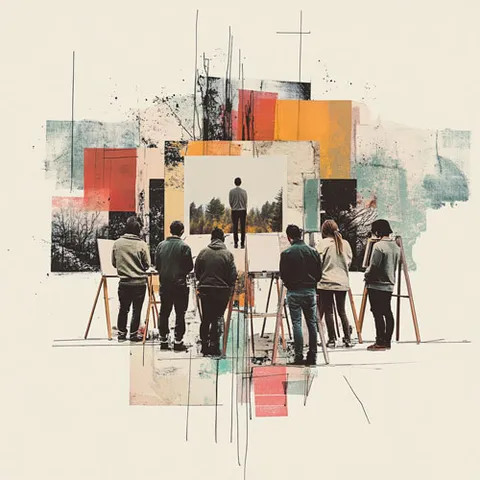
Collaborative Life Drawing
Collaborative Live Drawing is an artistic and group-based activity where participants take turns drawing on each other's sheets, based on observation sessions with live models or objects. The constant rotation promotes collaboration, the exploration of multiple styles, and a collective reflection on perception, the body, and shared creation.

Connecting People
Connecting People is a collaborative activity where participants interact based on observable descriptions, encouraging interaction, mutual understanding, and group fun.
Favorite Little Things
Favorite Little Things is a warm participatory activity that invites people to share the small everyday moments that bring them joy, building connection and appreciation within the group.
First Impressions
First Impressions is a participatory activity that explores initial perceptions through the exchange of descriptive words related to communication and leadership styles.
Guess the Drawing
Guess the Drawing is a participatory activity in which participants represent words or concepts through drawings for their team to guess, promoting creativity and teamwork.
Hangman
Hangman is a classic collaborative activity that reinforces knowledge, fosters teamwork, and stimulates learning through fun and creativity.
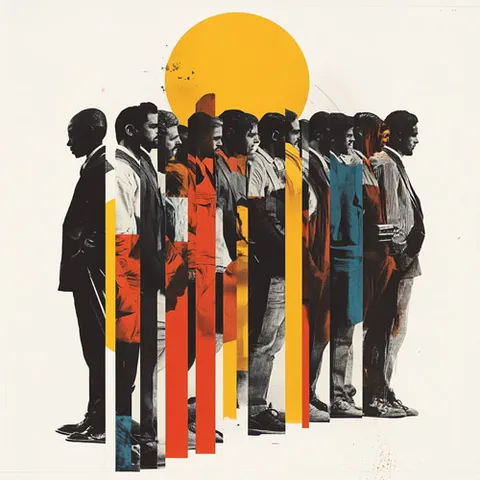
Human Line
Human Line is a group activity in which participants must line up according to specific criteria, encouraging cooperation and mutual understanding.
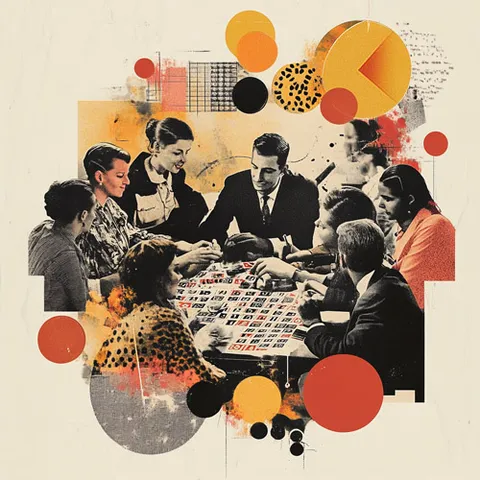
Intro Bingo
Intro Bingo es una dinámica rompehielos en la que los participantes completan tarjetas de bingo buscando personas dentro del grupo que cumplan con ciertos atributos. Esta actividad fomenta la interacción, el conocimiento mutuo y la creación de conexiones de manera lúdica y participativa.
Movement and group energizing games
These activities combine physical movement with collective fun, activating group energy and generating shared laughter. They are ideal for moments in the party when the atmosphere needs energizing or after periods of lower activity such as dinners. These games help break monotony, integrate body and mind, and create moments of spontaneous joy that remain in the collective memory.
Ball Sliding
Ball Sliding fosters teamwork and creativity by challenging participants to move a ball collaboratively without touching it.
The Name Game
The Name Game is an interactive activity where participants throw a ball while saying the name of the person receiving it, promoting name memorization and group interaction.
The Question Ball
The Question Ball is a playful and reflective activity where participants answer questions read by the facilitator upon receiving a ball, fostering group interaction in a fun and meaningful way.
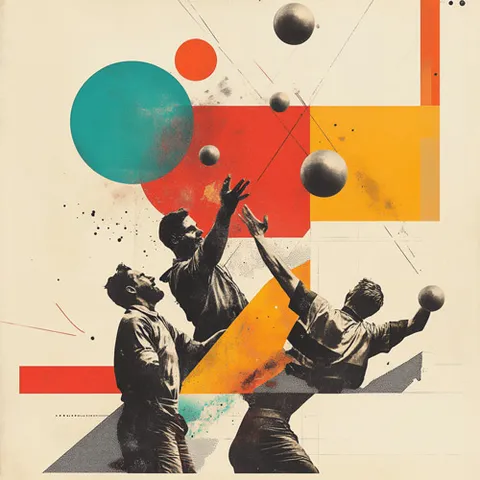
Throw and Catch
Throw and Catch is a collaborative activity where participants must coordinate to keep multiple balls in motion, fostering cooperation, focus, and teamwork.
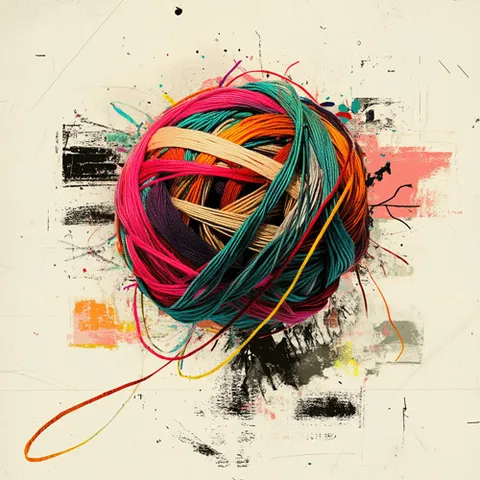
Ball of thread
Ball of thread is a collaborative activity where participants build a symbolic thread network to reflect their connections, fostering group cohesion and teamwork.
Bizarre Bazaar
A creative game to spark imagination: in Bazaar Bizarro, the most ordinary objects become extraordinary products through improvisation, humor, and persuasion. Perfect for energizing groups and boosting self-expression.
Broken Telephone
Broken Telephone is a collaborative game that demonstrates how messages change when passed along, fostering communication skills, active listening, and creativity.
Cascade Greeting
Cascade Greeting is a closing activity where participants greet each other progressively, wishing one another well for the future and creating an atmosphere of gratitude and interpersonal connection.
Circular Conversations
Circular Conversations is a group activity that combines movement and interaction to foster meaningful connections among participants.
Collaborative Life Drawing
Collaborative Live Drawing is an artistic and group-based activity where participants take turns drawing on each other's sheets, based on observation sessions with live models or objects. The constant rotation promotes collaboration, the exploration of multiple styles, and a collective reflection on perception, the body, and shared creation.
Connecting People
Connecting People is a collaborative activity where participants interact based on observable descriptions, encouraging interaction, mutual understanding, and group fun.
Human Line
Human Line is a group activity in which participants must line up according to specific criteria, encouraging cooperation and mutual understanding.
Collaborative challenge and problem-solving games
These games present challenges that can only be overcome through intelligent team collaboration, generating excitement and a shared sense of achievement. They are ideal for teams that enjoy challenges and want to experience overcoming obstacles together in a festive context.
Anticipating Challenges
Anticipating Challenges is a participatory activity in which teams imagine that their project has failed and analyze the possible reasons behind this scenario.
Ball Sliding
Ball Sliding fosters teamwork and creativity by challenging participants to move a ball collaboratively without touching it.

Bottleneck Analysis
The Bottleneck Analysis is a participatory tool for identifying and addressing recurring obstacles in a project, optimizing processes, and promoting effective collaboration.
Brainstorming
Brainstorming fosters collective creativity and collaboration by generating multiple proposals to address a specific challenge.
Challenge-Based Learning
Challenge-Based Learning connects learning with action by engaging participants in concrete problems that they must collaboratively solve.
Collaborative Competition
Collaborative Competition is an activity that combines teamwork with problem-solving in a friendly, competitive format to foster creativity and learning.
Collaborative Life Drawing
Collaborative Live Drawing is an artistic and group-based activity where participants take turns drawing on each other's sheets, based on observation sessions with live models or objects. The constant rotation promotes collaboration, the exploration of multiple styles, and a collective reflection on perception, the body, and shared creation.
Collaborative mind map
The Collaborative mind map is a visual tool that allows groups to explore, organize, and connect ideas on a topic in a creative and participatory way.
Collaborative sketching
Collaborative sketching is a visual activity that encourages the expression of ideas and the joint development of solutions through quick and simple drawings.

Collective Rube Goldberg Machine
Collective Rube Goldberg Machine is a participatory activity where teams collaboratively build a whimsical chain reaction device to perform a simple task, using creativity, problem-solving, and everyday materials to spark teamwork and fun experimentation.
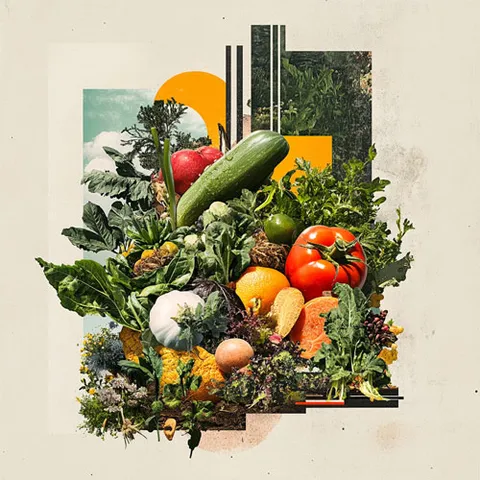
Community Garden
Community garden is a participatory activity in which neighbors, students, or community groups come together to create and care for a garden in a shared space. Through collaborative work, they grow food, exchange knowledge, and strengthen their connection with the environment and the community.

Concept Route
The Concept Route organizes and connects key ideas through a collaborative visual journey, facilitating learning and the communication of complex topics.
Creative and artistic expression games
These activities invite teams to explore their creative side through artistic, dramatic, or improvisation exercises. By releasing individual and group creativity in a judgment-free environment, they allow diverse talents to emerge and enable the team to connect through different languages beyond work. They are especially valuable for teams that work in highly structured environments and need freer spaces for expression.Ball Sliding
Ball Sliding fosters teamwork and creativity by challenging participants to move a ball collaboratively without touching it.
Brainstorming
Brainstorming fosters collective creativity and collaboration by generating multiple proposals to address a specific challenge.
Circle of gratitude
The Circle of gratitude promotes gratitude and mutual recognition among participants, strengthening group bonds and fostering a positive environment.
Collaborative Competition
Collaborative Competition is an activity that combines teamwork with problem-solving in a friendly, competitive format to foster creativity and learning.
Collaborative Life Drawing
Collaborative Live Drawing is an artistic and group-based activity where participants take turns drawing on each other's sheets, based on observation sessions with live models or objects. The constant rotation promotes collaboration, the exploration of multiple styles, and a collective reflection on perception, the body, and shared creation.
Collaborative sketching
Collaborative sketching is a visual activity that encourages the expression of ideas and the joint development of solutions through quick and simple drawings.
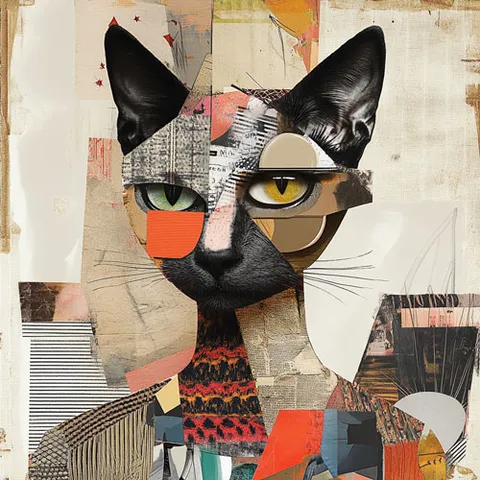
Collective DIY Mascot
Collective DIY Mascot is a participatory activity in which a group builds a symbolic mascot together, adding one element at a time across weeks. The result is a creative, emotional representation of their collective identity.
Collective Rube Goldberg Machine
Collective Rube Goldberg Machine is a participatory activity where teams collaboratively build a whimsical chain reaction device to perform a simple task, using creativity, problem-solving, and everyday materials to spark teamwork and fun experimentation.
Concept Route
The Concept Route organizes and connects key ideas through a collaborative visual journey, facilitating learning and the communication of complex topics.
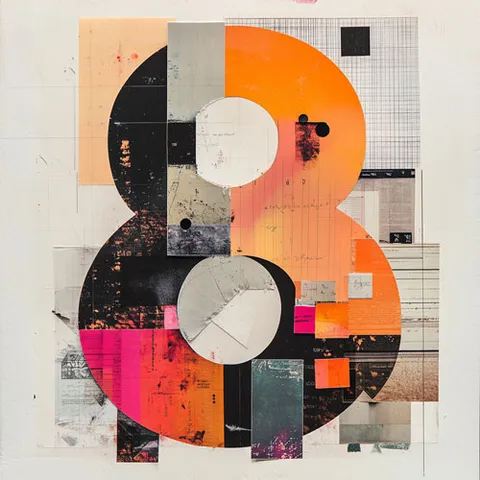
Crazy 8
Crazy 8 is a fast-paced brainstorming activity designed to spark creativity and generate innovative solutions by sketching eight ideas in eight minutes. Perfect for teams aiming to think outside the box!
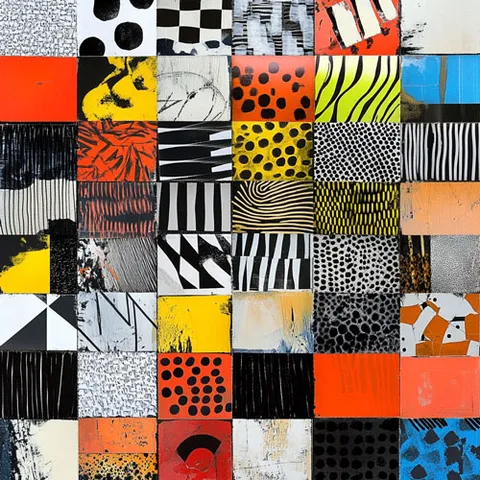
Creative Mark Exploration
Creative Mark Exploration is a participatory activity that encourages experimentation with strokes and textures to discover personal styles.

Diaporama
Diaporama is a creative activity where participants collaborate to create and present a series of images or slides that narrate a story or concept, fostering visual communication and critical thinking.
Communication and teamwork games
These games playfully test the team's communication and collaboration skills in a relaxed and fun context. Through challenges requiring coordination, active listening, and shared strategy, teams can experience the satisfaction of achieving goals together while having fun. They are perfect for reinforcing the value of teamwork experientially.Anticipating Challenges
Anticipating Challenges is a participatory activity in which teams imagine that their project has failed and analyze the possible reasons behind this scenario.
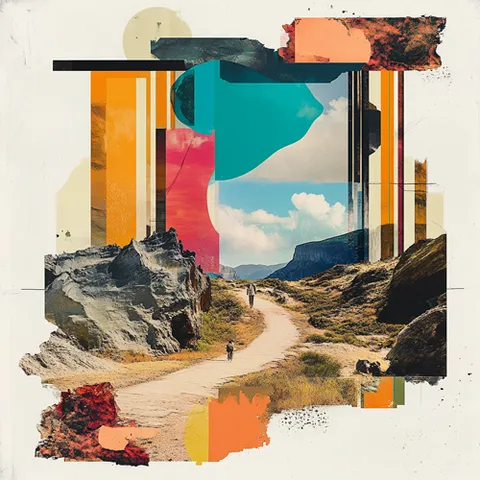
Art Trail
Art Trail is a collaborative activity in which participants intervene in a public or community space through collective artistic actions, aiming to reframe and transform it into a unique, meaningful, and shared place for the community.
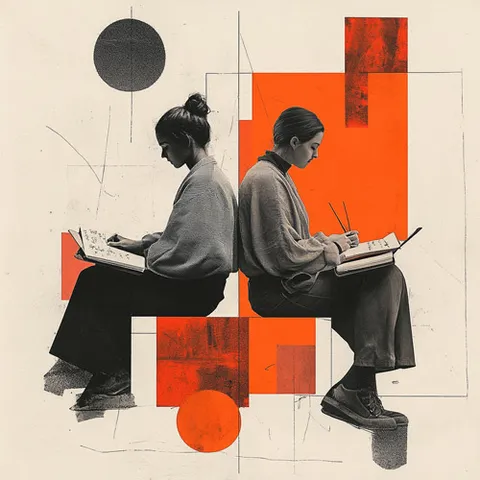
Back-to-Back Drawing
Back-to-Back Drawing is a participatory activity in which participants work in pairs to describe and reproduce an image without seeing it, fostering communication and active listening skills.
Ball of thread
Ball of thread is a collaborative activity where participants build a symbolic thread network to reflect their connections, fostering group cohesion and teamwork.
Ball Sliding
Ball Sliding fosters teamwork and creativity by challenging participants to move a ball collaboratively without touching it.
Bizarre Bazaar
A creative game to spark imagination: in Bazaar Bizarro, the most ordinary objects become extraordinary products through improvisation, humor, and persuasion. Perfect for energizing groups and boosting self-expression.
Broken Telephone
Broken Telephone is a collaborative game that demonstrates how messages change when passed along, fostering communication skills, active listening, and creativity.
Cascade Greeting
Cascade Greeting is a closing activity where participants greet each other progressively, wishing one another well for the future and creating an atmosphere of gratitude and interpersonal connection.
Circle of gratitude
The Circle of gratitude promotes gratitude and mutual recognition among participants, strengthening group bonds and fostering a positive environment.
Collaborative Competition
Collaborative Competition is an activity that combines teamwork with problem-solving in a friendly, competitive format to foster creativity and learning.
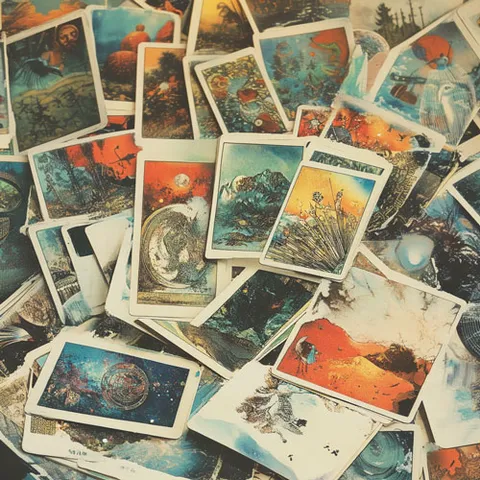
Collaborative Oracle Card Creation
Collaborative Oracle Card Creation is a participatory activity where participants co-design a deck of oracle cards with meaningful symbols and messages, fostering creativity and collective reflection.
Community Garden
Community garden is a participatory activity in which neighbors, students, or community groups come together to create and care for a garden in a shared space. Through collaborative work, they grow food, exchange knowledge, and strengthen their connection with the environment and the community.
Strategies for implementing collaborative games at corporate parties effectively
For collaborative games at corporate parties to be successful and memorable, it is essential to design experiences that balance fun with inclusion, and structure with spontaneity. Below are key strategies for planning and facilitating games that truly enrich the celebration:1. Design with inclusion as a priority
The success of games in corporate contexts depends on everyone being able to participate comfortably:- Avoid games requiring extreme physical ability: Ensure people of different ages and abilities can participate.
- Consider different personalities: Include options for introverts and extroverts, not just high-profile public activities.
- Respect personal limits: Allow people to choose their level of participation without pressure.
- Design diverse teams: Mix departments, hierarchical levels, and seniority to foster new connections.
- Offer a variety of roles: Allow different people to shine according to their strengths (creative, organizational, strategic, etc.).
2. Balance structure and spontaneity
The best games have enough structure to function but freedom to adapt:- Prepare clear instructions: Explain rules simply and visually, considering that there will be noise and distractions.
- Maintain flexibility: Be willing to adjust timing, rules, or dynamics according to the group's energy.
- Read the group's energy: If a game is not working, have alternatives ready to switch quickly.
- Allow improvisation: The best moments often arise from spontaneous deviations from the original plan.
- Do not overload the agenda: Fewer well-executed games are better than many rushed ones.
3. Select games appropriate to the context
Each organization and celebration has unique characteristics that must be considered:- Consider organizational culture: More formal teams may need less uninhibited games initially.
- Evaluate the physical space: Adapt games to the available space (hall, garden, small space, etc.).
- Consider the social context: If families or partners are attending, include games that facilitate their integration.
- Review the schedule: High-energy games work better early on; calmer games better after meals.
- Evaluate timing in relation to drinks: Adjust game complexity depending on when refreshments are served.
4. Prepare logistics and materials in advance
Adequate preparation is key for games to flow without interruption:- Complete list of materials: Prepare all necessary materials with extra margin just in case.
- Test the games: If possible, pilot the games with a small group before the event.
- Prepare the space: Organize specific areas for each game in advance.
- Designate facilitators: Assign people to help explain rules, form teams, and maintain energy.
- Have a Plan B: Prepare alternative games that do not require materials in case of unforeseen events.
5. Facilitate with energy and clarity
How you present and run the games makes all the difference:- Project genuine enthusiasm: Your energy is contagious; if you are enthusiastic, the group will be too.
- Explain clearly and briefly: Visual demonstrations work better than long explanations.
- Emphasize the goal: Remind the group that what matters is having fun and connecting, not winning.
- Celebrate participation: Recognize and appreciate those who actively engage.
- Maintain the pace: Avoid long pauses between activities; energy is quickly lost.
6. Create photographic and memorable moments
Games are perfect opportunities to create lasting memories:- Designate photographers: Ensure someone captures the best moments from the games.
- Create visual settings: Use decorations, props, or costumes to make photos more fun.
- Generate content for social media: If appropriate, create shareable moments the team will want to post.
- Document achievements: Create symbolic certificates or trophies that people can take home.
- Compile a highlight reel: Edit a highlights video from the party to share afterward.
7. Integrate games with other elements of the celebration
Games work best when organically integrated into the party's flow:- Use them as transitions: Place games between meals, speeches, or more formal moments.
- Connect with recognition: Incorporate moments of appreciation within some games.
- Balance energies: Alternate active games with moments of quiet conversation.
- Close with impact: End with a collaborative game or activity that unifies the group before the closing.
- Link to values: Choose games that reflect the values the organization wants to celebrate.
8. Evaluate and learn for future celebrations
Each party is a learning opportunity to improve the next:- Observe participation: Note which games generated the most enthusiasm and which did not work.
- Request informal feedback: Ask participants what they enjoyed most.
- Document lessons learned: Record what worked and what you would improve for next year.
- Measure impact on team climate: Observe whether the party and games strengthened team cohesion.
- Build traditions: Consider turning the most successful games into annual traditions.