Inclusive Collaborative Environments
Creating collaborative environments to ensure everyone's voice is heard
Creating truly collaborative and inclusive environments is one of the most important challenges in today's educational, work, and community contexts. These spaces, when well designed, have the power to transform the learning and working experience by leveraging the richness of diverse perspectives, knowledge, and communication styles. Inclusion is not simply an outcome, but a continuous process that seeks to identify and remove barriers to ensure the full participation of all individuals. In this sense, an inclusive collaborative environment must be understood as one that recognizes individual differences, values diversity, and creates conditions for every participant to contribute meaningfully.Common barriers to inclusive participation
Before addressing strategies for fostering inclusive collaborative environments, it is important to identify the barriers that often hinder equitable participation:Cultural and social obstacles
Status differences, cultural expectations about who can speak and when, and implicit biases can silence important voices. Academic and professional environments often privilege certain modes of expression and participation that benefit those from particular sociocultural backgrounds.Linguistic and communicative challenges
Linguistic diversity, differences in communication styles, and specific communication needs can create significant inequalities. Translanguaging practices can enrich educational environments, but they require deliberate planning and an open attitude.Accessibility limitations
Both in physical and virtual environments, accessibility barriers can exclude participants with diverse abilities. Universal design for learning is not just an adaptation but a fundamental requirement for effective inclusion.Power dynamics
Formal and informal hierarchies can inhibit authentic participation. Traditional models where power is concentrated in a few voices limit dialogue; a horizontal approach where everyone is simultaneously educator and learner is preferable.
Art of Hosting
A facilitation framework for hosting meaningful conversations at scale. Integrates World Café, Open Space, and Circle practice to harvest collective wisdom from groups of 20 to 150.
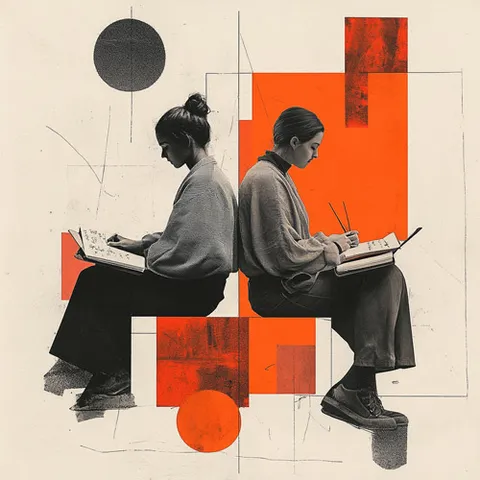
Back-to-Back Drawing
Back-to-Back Drawing is a participatory activity in which participants work in pairs to describe and reproduce an image without seeing it, fostering communication and active listening skills.
Ball of thread
Ball of thread is a collaborative activity where participants build a symbolic thread network to reflect their connections, fostering group cohesion and teamwork.
Body map
Body mapping is a participatory visual research method in which participants create a life-size representation of their own body to explore their experiences, emotions, identities, and stories through drawing, color, and symbol.
Circle of gratitude
The Circle of gratitude promotes gratitude and mutual recognition among participants, strengthening group bonds and fostering a positive environment.
Citizens Assembly
Randomly selected citizens who deliberate on a complex policy question over weeks or months, producing evidence-based recommendations free from organized interests.

Civic Dialogues
Structured conversations between citizens and institutions on specific policy issues, with explicit mechanisms for public input to influence concrete decisions.

Community Garden
Community garden is a participatory activity in which neighbors, students, or community groups come together to create and care for a garden in a shared space. Through collaborative work, they grow food, exchange knowledge, and strengthen their connection with the environment and the community.
Community Planting Day
Community Planting Day is a participatory dynamic where a group comes together to plant vegetation in a shared space, promoting environmental awareness, social connection, and collective responsibility.
Comparative Photography
Comparative Photography is a visual and participatory tool for documenting and analyzing changes before and after an intervention, fostering collective reflection on the impact achieved.
Confidence Vote
Confidence Vote is a fast participatory dynamic that lets groups gauge consensus, commitment levels, or uncertainty on a proposal by voting with hand signals or visual cues.
Connecting People
Connecting People is a collaborative activity where participants interact based on observable descriptions, encouraging interaction, mutual understanding, and group fun.
Pedagogical strategies for creating inclusive collaborative environments
1. Universal Design for Learning (UDL)
The UDL framework, developed by the Center for Applied Special Technology (CAST), offers key principles for creating inclusive environments from the outset:- Multiple means of representation: Presenting information and content in different formats and levels of complexity.
- Multiple means of action and expression: Allowing participants to demonstrate their knowledge and skills in various ways.
- Multiple means of engagement: Offering different options to involve participants and maintain their motivation.
2. Dialogic pedagogy
Dialogic pedagogy positions egalitarian dialogue as the central axis of the educational process:- Learning circles: Spaces where all participants have an equal right to speak and be heard.
- Validation of diverse knowledge: Recognition of the value of experiential and non-academic knowledge.
- Collaborative meaning-making: Emphasizing that knowledge is constructed socially, not transmitted unidirectionally.
Back-to-Back Drawing
Back-to-Back Drawing is a participatory activity in which participants work in pairs to describe and reproduce an image without seeing it, fostering communication and active listening skills.

Broken Telephone
Broken Telephone is a collaborative game that demonstrates how messages change when passed along, fostering communication skills, active listening, and creativity.
Circle of gratitude
The Circle of gratitude promotes gratitude and mutual recognition among participants, strengthening group bonds and fostering a positive environment.
Circular Conversations
Circular Conversations is a group activity that combines movement and interaction to foster meaningful connections among participants.

Collective Journal
The Collective Journal is a participatory activity that allows groups to record daily progress, reflections, and learnings, fostering continuous improvement and collaborative documentation.
Collective Questionnaire
The Collective Questionnaire is a participatory dynamic that enables the collaborative design of key questions, ensuring their relevance and usefulness for the project's or research’s purpose.
Confidence Vote
Confidence Vote is a fast participatory dynamic that lets groups gauge consensus, commitment levels, or uncertainty on a proposal by voting with hand signals or visual cues.
Connecting People
Connecting People is a collaborative activity where participants interact based on observable descriptions, encouraging interaction, mutual understanding, and group fun.

Critical Incident
The Critical Incident activity is based on experiential learning techniques and reflective analysis to turn challenges into opportunities for growth.
Daily Standup Meeting
Daily Standup Meeting is a short recurring group session where participants share progress, current focus, and blockers to keep the team aligned and moving forward together.
Emotion Journal
Emotion Journal is a reflective practice that helps track emotional patterns, promote self-regulation, and foster empathy.
Emotional map
The Emotional map allows for the identification and visual analysis of emotions, helping to understand their impact on projects, spaces, or experiences.
3. Equitable participation structures
Specific cooperative structures guarantee balanced participation:- Sequential turns: Structures like "Round Robin" or "Rally Robin" where all participants contribute in sequence.
- Think-Pair-Share: A method that ensures individual reflection time before group discussion.
- Rotating roles: Assignment of specific responsibilities that rotate to distribute participation.
4. Inclusive formative assessment
Assessment practices that foster inclusion include:- Descriptive feedback: Focused on growth rather than comparison.
- Self-assessment and peer assessment: Processes that empower participants.
- Adaptive assessment: Methods that respond to individual needs and strengths.
Participatory Learning

Activity clock
The Activity clock invites participants to organize and balance their daily time through an effective visual representation.

Affinity diagram
The Affinity Diagram is a visual and participatory tool that organizes ideas into categories to facilitate group analysis and informed decision-making.
After Action Review (AAR)
Structured debrief with four questions for learning immediately after any project: what was planned, what happened, why the gap, and what to do differently next time.
Appreciative inquiry
Appreciative inquiry is an organizational and community change methodology that begins from what is already working well to build the desired future, rather than analyzing problems and deficits.
Art of Hosting
A facilitation framework for hosting meaningful conversations at scale. Integrates World Café, Open Space, and Circle practice to harvest collective wisdom from groups of 20 to 150.
Art Trail
Art Trail is a collaborative activity in which participants intervene in a public or community space through collective artistic actions, aiming to reframe and transform it into a unique, meaningful, and shared place for the community.
Back-to-Back Drawing
Back-to-Back Drawing is a participatory activity in which participants work in pairs to describe and reproduce an image without seeing it, fostering communication and active listening skills.

Backward Planning
La Planificación retroactiva ayuda a identificar los pasos necesarios para lograr un objetivo trabajando desde el resultado final hacia el presente, promoviendo la estrategia y la claridad grupal.

Ball Sliding
Ball Sliding fosters teamwork and creativity by challenging participants to move a ball collaboratively without touching it.

Bizarre Bazaar
A creative game to spark imagination: in Bazaar Bizarro, the most ordinary objects become extraordinary products through improvisation, humor, and persuasion. Perfect for energizing groups and boosting self-expression.
Body map
Body mapping is a participatory visual research method in which participants create a life-size representation of their own body to explore their experiences, emotions, identities, and stories through drawing, color, and symbol.
Brainstorming
Brainstorming fosters collective creativity and collaboration by generating multiple proposals to address a specific challenge.
Strategies for facilitating inclusive environments
1. Establishing collaborative norms
Jointly developing participation norms creates shared responsibility for maintaining an inclusive environment:- Participatory construction of agreements: Involving everyone in defining group norms.
- Periodic review: Regularly evaluating whether norms are promoting inclusion.
- Inclusive language: Establishing guidelines on language use to avoid subtle exclusions.
2. Conscious facilitation techniques
The role of the facilitator is crucial for creating safe spaces where everyone can participate:- Conscious participation management: Techniques such as "taking the floor" where the facilitator monitors who has spoken and who hasn't.
- Timely intervention: Ability to interrupt patterns of domination without embarrassing participants.
- Strategic questioning: Using questions that invite different voices to contribute.
Participatory Interaction
Anticipating Challenges
Anticipating Challenges is a participatory activity in which teams imagine that their project has failed and analyze the possible reasons behind this scenario.
Art of Hosting
A facilitation framework for hosting meaningful conversations at scale. Integrates World Café, Open Space, and Circle practice to harvest collective wisdom from groups of 20 to 150.
Art Trail
Art Trail is a collaborative activity in which participants intervene in a public or community space through collective artistic actions, aiming to reframe and transform it into a unique, meaningful, and shared place for the community.
Back-to-Back Drawing
Back-to-Back Drawing is a participatory activity in which participants work in pairs to describe and reproduce an image without seeing it, fostering communication and active listening skills.
Ball of thread
Ball of thread is a collaborative activity where participants build a symbolic thread network to reflect their connections, fostering group cohesion and teamwork.
Ball Sliding
Ball Sliding fosters teamwork and creativity by challenging participants to move a ball collaboratively without touching it.
Beneficiary Stories
The Beneficiary Stories dynamic collects and reflects on personal narratives to document the impact of projects and generate learning from the perspective of those who lived through them.
Bizarre Bazaar
A creative game to spark imagination: in Bazaar Bizarro, the most ordinary objects become extraordinary products through improvisation, humor, and persuasion. Perfect for energizing groups and boosting self-expression.
Body map
Body mapping is a participatory visual research method in which participants create a life-size representation of their own body to explore their experiences, emotions, identities, and stories through drawing, color, and symbol.
Brainstorming
Brainstorming fosters collective creativity and collaboration by generating multiple proposals to address a specific challenge.
Broken Telephone
Broken Telephone is a collaborative game that demonstrates how messages change when passed along, fostering communication skills, active listening, and creativity.
Cascade Greeting
Cascade Greeting is a closing activity where participants greet each other progressively, wishing one another well for the future and creating an atmosphere of gratitude and interpersonal connection.
3. Inclusive technologies
Digital tools can amplify inclusion when selected and used appropriately:- Asynchronous platforms: Spaces that allow contributions from those who need more time to process information or express themselves.
- Multimodal tools: Applications that facilitate communication through text, voice, images, and video.
- Assistive technologies: Solutions that remove specific barriers for people with diverse abilities.
Practical cases and applications
Formal education
Inclusive classrooms have successfully implemented practices such as:- Interdisciplinary project-based learning: Where diverse talents can find spaces for contribution.
- Visible thinking routines: That make cognitive processes explicit and value different forms of reasoning.
- Learning jigsaw and expert groups: Structures where each participant becomes essential to collective success.
Collaborative work environments
Organizations are adapting inclusive pedagogical practices to the workplace:- Adapted agile methodologies: Incorporating rotating roles and spaces for all voices.
- Communities of practice: Horizontal groups that value distributed knowledge.
- Inclusive design thinking: Innovation processes that incorporate diverse perspectives from initial stages.
Community spaces
Civic initiatives have developed inclusive participatory methodologies:- Inclusive participatory budgeting: With mechanisms that guarantee the voice of traditionally marginalized groups.
- Collaborative community mapping: Techniques that value the local knowledge of diverse groups.
- Participatory action research: Methods that recognize community members as co-researchers.
After Action Review (AAR)
Structured debrief with four questions for learning immediately after any project: what was planned, what happened, why the gap, and what to do differently next time.
Art Trail
Art Trail is a collaborative activity in which participants intervene in a public or community space through collective artistic actions, aiming to reframe and transform it into a unique, meaningful, and shared place for the community.
Ball Sliding
Ball Sliding fosters teamwork and creativity by challenging participants to move a ball collaboratively without touching it.

Chronological Review
The Chronological Review is a participatory activity that analyzes progress by comparing it to the planned timeline, promoting adjustments and reflections to ensure the project's success.
Circle of gratitude
The Circle of gratitude promotes gratitude and mutual recognition among participants, strengthening group bonds and fostering a positive environment.

Collaborative Competition
Collaborative Competition is an activity that combines teamwork with problem-solving in a friendly, competitive format to foster creativity and learning.
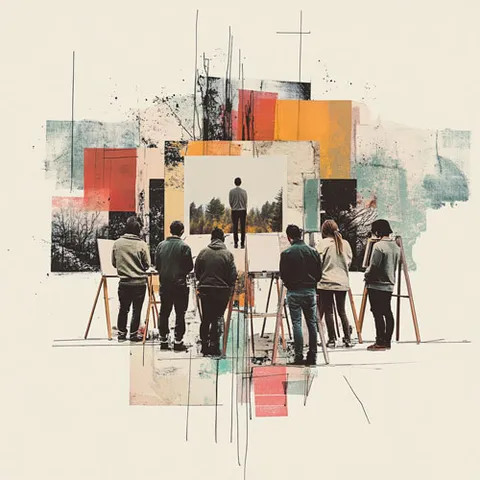
Collaborative Life Drawing
Collaborative Live Drawing is an artistic and group-based activity where participants take turns drawing on each other's sheets, based on observation sessions with live models or objects. The constant rotation promotes collaboration, the exploration of multiple styles, and a collective reflection on perception, the body, and shared creation.
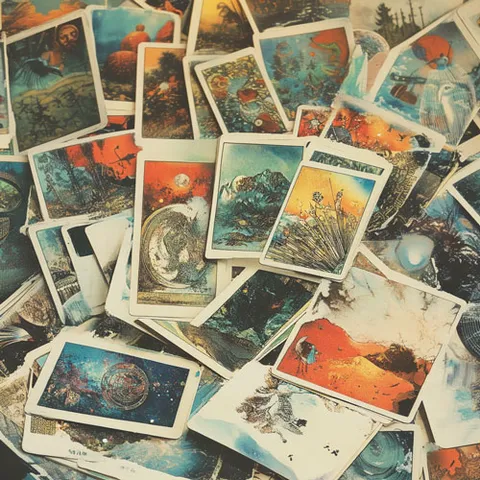
Collaborative Oracle Card Creation
Collaborative Oracle Card Creation is a participatory activity where participants co-design a deck of oracle cards with meaningful symbols and messages, fostering creativity and collective reflection.
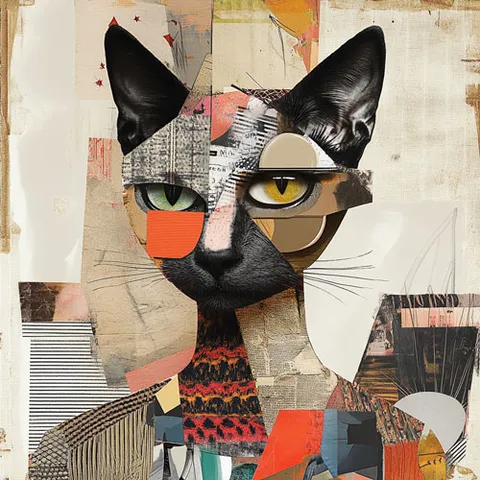
Collective DIY Mascot
Collective DIY Mascot is a participatory activity in which a group builds a symbolic mascot together, adding one element at a time across weeks. The result is a creative, emotional representation of their collective identity.
Collective Journal
The Collective Journal is a participatory activity that allows groups to record daily progress, reflections, and learnings, fostering continuous improvement and collaborative documentation.
Collective Questionnaire
The Collective Questionnaire is a participatory dynamic that enables the collaborative design of key questions, ensuring their relevance and usefulness for the project's or research’s purpose.

Collective Rube Goldberg Machine
Collective Rube Goldberg Machine is a participatory activity where teams collaboratively build a whimsical chain reaction device to perform a simple task, using creativity, problem-solving, and everyday materials to spark teamwork and fun experimentation.
Evaluation and continuous improvement of inclusive environments
Creating truly inclusive environments requires ongoing processes of evaluation and adaptation:Inclusion indicators
Indicator sets for evaluating inclusion can be adapted to diverse contexts:- Presence: Who is physically present in participation spaces?
- Participation: Who actively contributes to dialogue and decision-making?
- Achievement: Do results reflect the diversity of the group or reproduce patterns of privilege?
Inclusive feedback processes
The evaluation mechanisms themselves must be inclusive:- Multiple feedback channels: Offering various ways to share experiences and suggestions.
- Safe spaces for criticism: Where people can sincerely express negative experiences without fear of reprisal.
- Participatory improvement cycles: Where those experiencing exclusion actively participate in designing solutions.
Affinity diagram
The Affinity Diagram is a visual and participatory tool that organizes ideas into categories to facilitate group analysis and informed decision-making.
Art of Hosting
A facilitation framework for hosting meaningful conversations at scale. Integrates World Café, Open Space, and Circle practice to harvest collective wisdom from groups of 20 to 150.
Cascade Greeting
Cascade Greeting is a closing activity where participants greet each other progressively, wishing one another well for the future and creating an atmosphere of gratitude and interpersonal connection.
Chronological Review
The Chronological Review is a participatory activity that analyzes progress by comparing it to the planned timeline, promoting adjustments and reflections to ensure the project's success.
Circle of gratitude
The Circle of gratitude promotes gratitude and mutual recognition among participants, strengthening group bonds and fostering a positive environment.
Collaborative Life Drawing
Collaborative Live Drawing is an artistic and group-based activity where participants take turns drawing on each other's sheets, based on observation sessions with live models or objects. The constant rotation promotes collaboration, the exploration of multiple styles, and a collective reflection on perception, the body, and shared creation.
Collective DIY Mascot
Collective DIY Mascot is a participatory activity in which a group builds a symbolic mascot together, adding one element at a time across weeks. The result is a creative, emotional representation of their collective identity.
Collective Questionnaire
The Collective Questionnaire is a participatory dynamic that enables the collaborative design of key questions, ensuring their relevance and usefulness for the project's or research’s purpose.
Community Planting Day
Community Planting Day is a participatory dynamic where a group comes together to plant vegetation in a shared space, promoting environmental awareness, social connection, and collective responsibility.
Comparative Photography
Comparative Photography is a visual and participatory tool for documenting and analyzing changes before and after an intervention, fostering collective reflection on the impact achieved.
Confidence Vote
Confidence Vote is a fast participatory dynamic that lets groups gauge consensus, commitment levels, or uncertainty on a proposal by voting with hand signals or visual cues.
Critical Incident
The Critical Incident activity is based on experiential learning techniques and reflective analysis to turn challenges into opportunities for growth.