Intercultural Pedagogies and Indigenous Knowledge: Participatory Activities
Participatory Activities for Intercultural Education and Indigenous Knowledge
Every August 9, the International Day of the World's Indigenous Peoples invites us to reflect on cultural diversity as a source of knowledge — not as an obstacle. In Latin America, educational, community and organizational spaces bring together people with deeply different histories, languages and worldviews. Intercultural pedagogies don't seek to homogenize that diversity: they recognize it as the most valuable raw material for learning. This collection brings together participatory activities designed to facilitate dialogue between different knowledge systems, make cultural identities visible, recover collective memory and strengthen critical consciousness from an intercultural perspective. They are useful tools for teachers, community facilitators, social workers and popular educators working with diverse groups.Why does interculturality need participatory methodologies?
The intercultural classroom is not built on good intentions alone. It requires methodologies that decenter the facilitator's voice and put into circulation the knowledge participants already carry.- They create conditions for historically silenced voices to express themselves safely.
- They value non-academic knowledge: land knowledge, traditional medicine, oral tradition.
- They facilitate encounters between generations and diverse cultural traditions.
- They promote empathy and critical thinking about power relations.
Types of intercultural activities
Knowledge dialogue
These activities create spaces where participants share their knowledge and ways of understanding the world without predetermined hierarchies. The facilitator does not hold knowledge — they create the conditions for different knowledge systems to meet and enrich each other.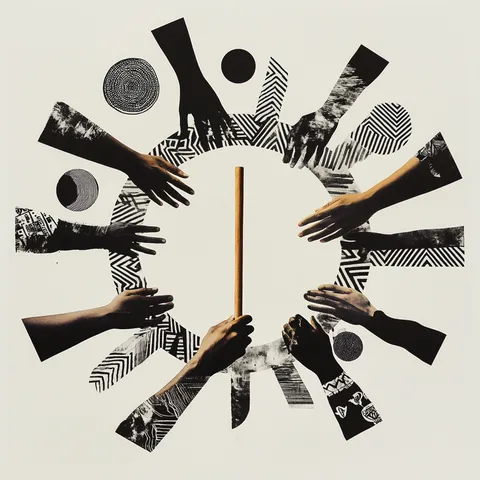
Talking stick
The talking stick is a dialogue facilitation practice rooted in Indigenous traditions of North America that grants the right to speak only to the person holding the object, ensuring that every voice in the circle is heard with respect and without interruption.

World Café
A structured conversational process where small groups rotate between tables and layer ideas collectively. Surfaces shared intelligence and consensus in groups of 20 to 100+ people.
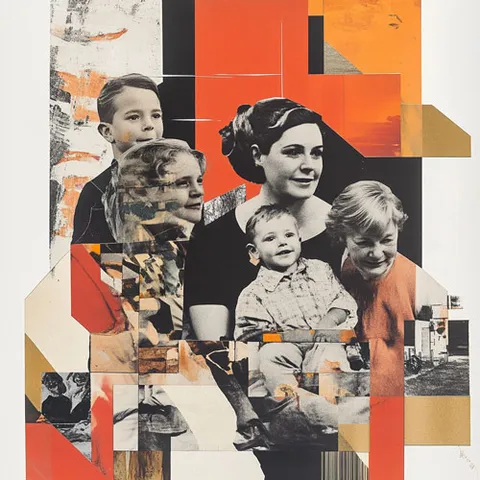
Intergenerational Dialogue
Promote understanding and collaboration across generations with Intergenerational Dialogue, a dynamic activity that fosters empathy, mutual learning, and shared solutions by exploring diverse experiences, values, and perspectives.
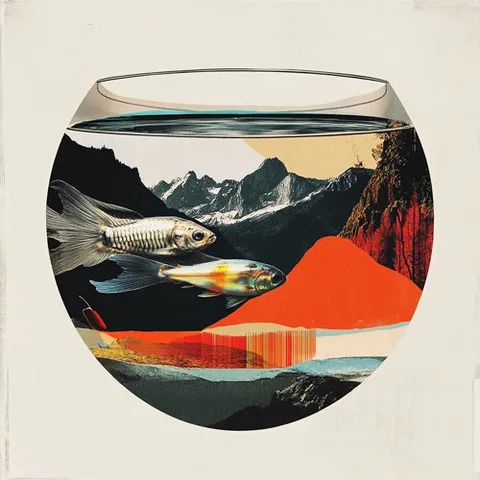
Fishbowl discussion
Fishbowl is a participatory dynamic where a small group dialogues in the center while others observe, promoting active listening, multiple perspectives and deep reflection on complex topics.
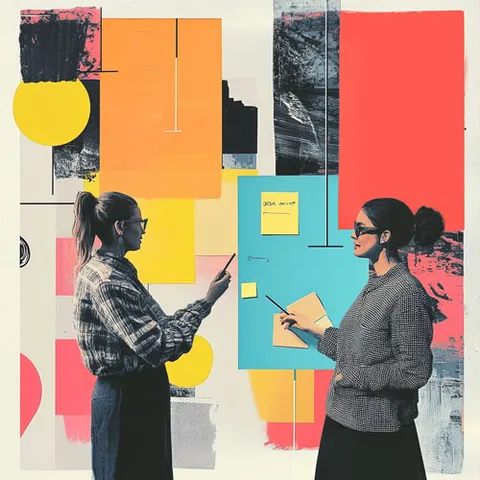
Think – Pair – Share: Individual Reflection, Pair Dialogue, Group Sharing
A 3-step dynamic that activates everyone's participation: think alone, talk in pairs, share with the group. Guarantees equitable engagement in education, training, and facilitation at any scale.
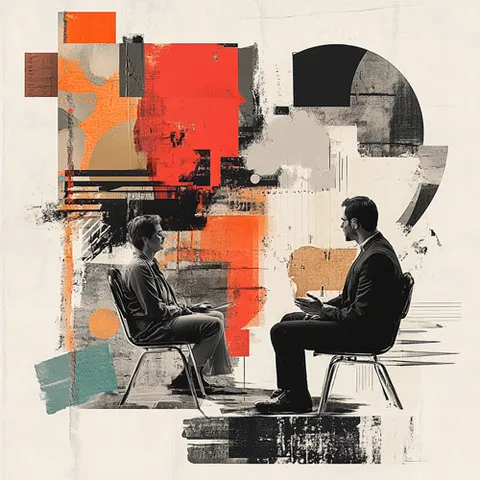
Insight Exchange
Insight Exchange allows for the collection of rich perspectives as participants exchange ideas and reflect on shared experiences.
Collective identity and oral history
Cultural identity activities invite participants to represent and share aspects of their own stories. Oral history — the living account of those who experienced it — bridges the community's past with present-day challenges. These activities let participants be both narrators and researchers of their own history.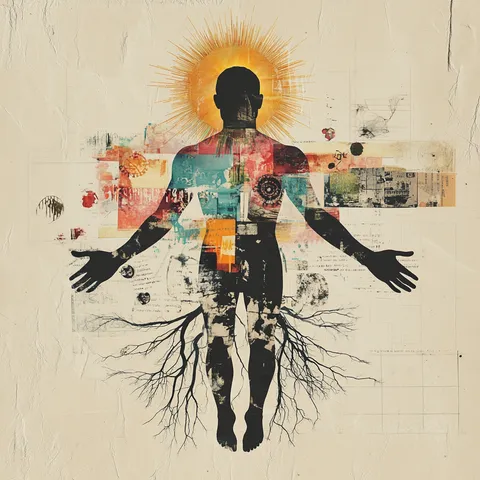
Body map
Body mapping is a participatory visual research method in which participants create a life-size representation of their own body to explore their experiences, emotions, identities, and stories through drawing, color, and symbol.
Lifeline
The lifeline is a biographical narrative activity in which participants trace their personal or group history along a timeline, marking key moments, turning points, and the learning that brought them to the present.
Identity sliders
Identity sliders is a participatory and collaborative activity to collectively build the vision and values of a group or project, fostering dialogue and cohesion.
Stories of change
Stories of change are a participatory tool for capturing and analyzing real experiences that showcase significant transformations and deep learning.
Narrative workshop
Engage in a Narrative workshop to share stories, foster empathy, and build collective solutions. Ideal for team building, reflection, and creative problem-solving.
Who Are We?
Who Are We? is a participatory team-building activity where participants identify their teammates through shared categories on assigned cards, creating groups in a fun and engaging way.
Territorial diagnosis and community mapping
Territory is a cultural category, not just a geographical one. These activities allow communities to describe and represent their territory from their own categories. Participatory mapping can reveal symbolic, spiritual and productive dimensions that technical maps fail to capture.
Situationist Drift
The Situationist Drift invites participants to explore urban spaces freely and subjectively, fostering creativity and critical reflection on the environment.
Participatory photography
Empower participants through participatory photography, a creative activity to capture and analyze realities, foster critical reflection, and inspire collective action using visual storytelling.
Local Connections Map
The Local Connections Map is a participatory tool for identifying and analyzing existing networks within an environment, promoting collaboration and strengthening key relationships.
Risk mapping
Risk mapping is a visual and participatory tool for identifying and analyzing threats and vulnerabilities in a specific area or context, fostering collective strategies for prevention and response.

Treasure Hunt
The Treasure Hunt combines teamwork and challenge-solving to promote active learning and collaboration in an engaging, game-based format.
Urban Sketching
Urban Sketching is a participatory activity where individuals draw real-life urban or community spaces through direct observation. It encourages artistic expression, fosters a deeper connection with the environment, and transforms everyday places into sources of inspiration and shared reflection.
Critical reflection and social consciousness
Intercultural pedagogies are also a space for critical analysis of the power relations that have ranked some cultures above others. These activities invite reflection on racism and invisibilization mechanisms, generating collective awareness from a place of dignity.
Stereotypes
Stereotypes is a reflective activity that uses photographs to explore how prejudices and stereotypes influence our perceptions, fostering greater awareness about diversity and inclusion.
Socratic debate
The Socratic debate is a participatory activity that promotes critical thinking and collective learning through open-ended and reflective questions.

The Iceberg Model
The Iceberg Model is a mindful methodology that analyzes both visible and hidden aspects of products and services to foster sustainable and strategic design.
Problem Chain
The Problem Chain is a visual and collaborative tool to identify, analyze, and connect the causes and effects of a problem, building strategic solutions.

Perception Scale
Engage participants with Perception Scales, a dynamic tool to capture and analyze diverse views, fostering reflection and group insights for actionable outcomes.
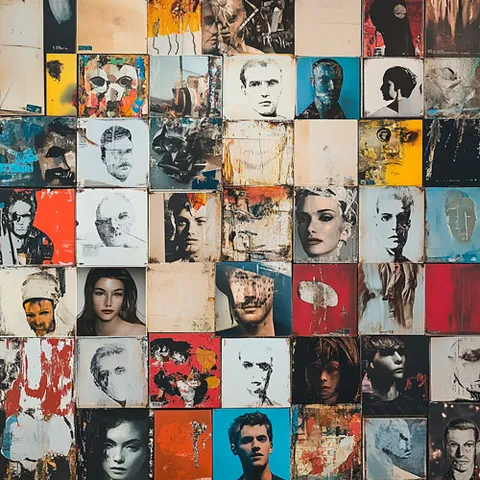
The Faces
Faces is a participatory activity where participants design faces that symbolize identity, values, or emotions, promoting diversity, empathy, and group creativity.
Theatre and art for intercultural expression
Art allows groups from diverse cultures to express themselves beyond barriers of language or literacy. Forum theatre, body expression and participatory arts have a long tradition in Latin American popular education and are especially powerful in spaces where the written word doesn't reach.
Forum Theater
Engage in Forum Theater, a participatory method to explore social issues through performance. Empower communities, foster creative solutions, and promote collective action.

Human Sculpture
Human Sculpture fosters creativity and group reflection through the bodily representation of concepts or ideas.
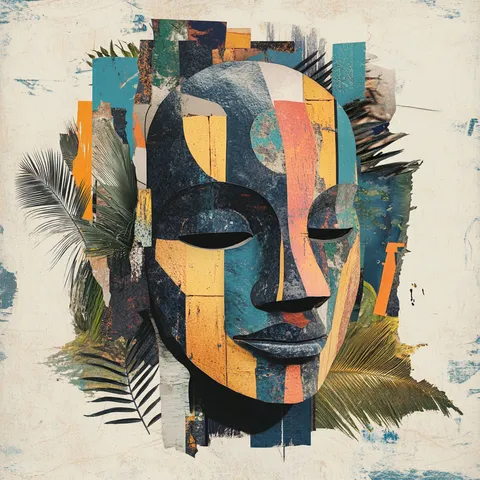
Mask Making
Mask Making is a creative and participatory activity where individuals design and create their own masks as a form of symbolic, artistic, or emotional expression. It is ideal for exploring identity, emotions, and cultural themes in educational, community, or therapeutic settings.
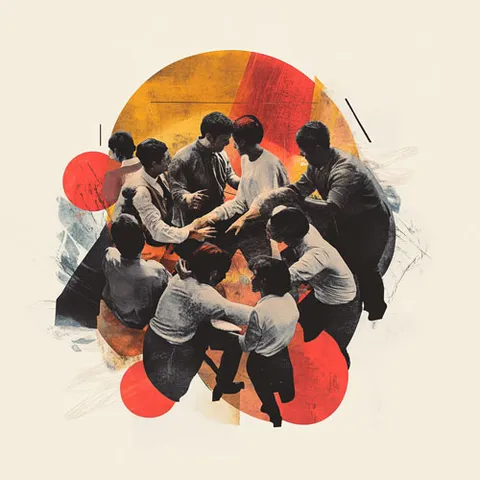
Group Constellations
Group Constellations facilitate reflection and visualization of dynamics, roles, and relationships within a group to enhance understanding and strengthen collaboration.
Puppets
Puppets is a creative dynamic where participants design and manipulate characters to explore themes, solve problems, or tell stories in a playful and reflective way.
Art Trail
Art Trail is a collaborative activity in which participants intervene in a public or community space through collective artistic actions, aiming to reframe and transform it into a unique, meaningful, and shared place for the community.
Strategies for Facilitating Intercultural Spaces with Participatory Methodologies
1. Start from recognition, not correction
- Name the group's diversity explicitly as a resource, not a problem to manage.
- Avoid the role of cultural expert: no facilitator can know all the cultures present.
- Celebrate the difficulty of understanding each other: negotiating meaning is already intercultural learning.
2. Create safety conditions for expression
- Offer multiple participation formats: oral, written, graphic, embodied.
- Respect silence: in some cultures silence is a legitimate form of participation.
- Validate the use of one's own language even if it is not the group's common tongue.
3. Document and return the knowledge produced
- Record the emerging knowledge with accessible tools (photos, recordings, drawings).
- Avoid extraction: community knowledge must not be appropriated without consent.
- Facilitate continuity processes that participants themselves can sustain.