Collaborative Methodologies: Empowering Collective Intelligence
What are collaborative methodologies?
Collaborative methodologies are structured frameworks that drive synergistic interaction among different actors with the goal of creating shared value. Unlike traditional methods centered on hierarchies and competition, these approaches promote horizontality, co-creation and the leveraging of collective intelligence to solve complex problems and develop innovative projects.Foundations of collaborative methodologies
Collaborative methodologies are grounded in key principles that distinguish them from other work approaches:- Collective Intelligence: Based on the premise that shared knowledge and cognitive diversity generate solutions superior to those any individual expert could develop.
- Horizontality: Establishes balanced relationships where leadership is distributed and each participant has an equal opportunity to contribute regardless of their hierarchical position.
- Co-creation: Proposes that value is generated jointly, breaking the traditional division between producers and consumers.
- Sharing Economy: Promotes models of exchange and shared use of resources that maximize their utilization.
When to implement collaborative methodologies?
Collaborative methodologies are especially effective in contexts where:- Complex problems requiring diverse perspectives are faced.
- Disruptive innovation that breaks established paradigms is sought.
- Limited resources need to be optimized through shared use.
- Genuine commitment among multiple stakeholders needs to be generated.
- Adaptability and resilience in the face of changing environments are required.
Competitive advantages of collaborative methodologies
Implementing collaborative methodologies brings significant benefits that transform organizations and communities:- Acceleration of innovation: Diversity of perspectives catalyzes disruptive and creative solutions.
- Resource optimization: Shared and coordinated use reduces costs and maximizes the utilization of capabilities.
- Amplified commitment: Co-authorship generates greater responsibility and involvement from all participants.
- Organizational resilience: The distribution of knowledge and capabilities makes systems less vulnerable.
- Cultural transformation: A culture of openness, trust and continuous learning is fostered.
Types of collaborative methodologies
Below, we present the most effective collaborative methodologies, with practical applications for diverse contexts:Collaborative Design Thinking
Collaborative Design Thinking expands the traditional Design Thinking approach by actively involving multiple stakeholders in each phase of the process (empathize, define, ideate, prototype and evaluate). This method is especially powerful for solving complex problems by combining analytical and creative thinking in multidisciplinary environments. For example, companies like IBM use Collaborative Design Thinking workshops where clients, end users, developers and executives work together to redesign user experiences, achieving solutions that simultaneously meet business and user needs. Key activities include How might we?, 8 crazy ideas, Brainstorm, and Empathy map to deeply understand user needs.Collaborative Scrum
Collaborative Scrum extends the agile Scrum methodology beyond development teams, incorporating clients, users and other departments into Scrum events (sprint planning, quick check-in meetings, reviews and retrospectives). This approach eliminates organizational silos and aligns efforts around common objectives. Organizations like Spotify have implemented collaborative models based on Scrum that integrate multifunctional teams (squads) with cross-cutting communities of practice (chapters and guilds), enabling large-scale collaboration without sacrificing agility. Tools like 360° Feedback and Evaluation wheel facilitate continuous improvement.Strategic Crowdsourcing
Strategic Crowdsourcing leverages the collective intelligence of large groups to solve specific challenges or develop new ideas. Unlike conventional crowdsourcing, the strategic approach establishes structured participation frameworks that maximize the value of contributions. Techniques such as Brainstorming, Phillips 6/6 and Speed Storming help channel collective creativity effectively.Themed Coworking Spaces
Themed coworking spaces or Thematic committees, go beyond sharing physical facilities, creating specialized environments where professionals from related sectors can organically collaborate on common projects. These ecosystems facilitate knowledge transfer and the creation of communities of practice. Methodologies such as Creative stations and Common interests wheel enhance natural connections among participants.Communities of Practice
Communities of practice, both in-person and virtual, connect professionals with common interests, enabling asynchronous and geographically distributed collaboration. These communities share knowledge, develop standards and solve problems collectively through techniques such as Collaborative mind map and Learning jigsaw. The open-source software development community represents one of the most successful examples of this model, with projects like Linux or WordPress that have been developed by thousands of volunteer contributors distributed around the world, creating products that compete with those developed by the largest corporations.Co-Laboratories (Co-Labs)
Co-Laboratories are hybrid environments that combine elements of research laboratories, innovation spaces and collaboration platforms. These spaces bring together diverse actors (academia, industry, government, civil society) to address complex systemic challenges. They use methodologies such as Innovation workshop, Model building and Challenge-based learning to generate comprehensive solutions.Collaborative Open Innovation
Collaborative Open Innovation expands the traditional concept of open innovation by creating ecosystems where multiple organizations share resources, risks and benefits in joint innovation processes. This approach makes it possible to tackle challenges that would be impossible to solve individually, using tools such as Collaborative benchmarking and Prototype gallery.
Activity clock
The Activity clock invites participants to organize and balance their daily time through an effective visual representation.

Backward Planning
La Planificación retroactiva ayuda a identificar los pasos necesarios para lograr un objetivo trabajando desde el resultado final hacia el presente, promoviendo la estrategia y la claridad grupal.
Collective Questionnaire
The Collective Questionnaire is a participatory dynamic that enables the collaborative design of key questions, ensuring their relevance and usefulness for the project's or research’s purpose.

Collective Rube Goldberg Machine
Collective Rube Goldberg Machine is a participatory activity where teams collaboratively build a whimsical chain reaction device to perform a simple task, using creativity, problem-solving, and everyday materials to spark teamwork and fun experimentation.

Community Planting Day
Community Planting Day is a participatory dynamic where a group comes together to plant vegetation in a shared space, promoting environmental awareness, social connection, and collective responsibility.
Crazy 8
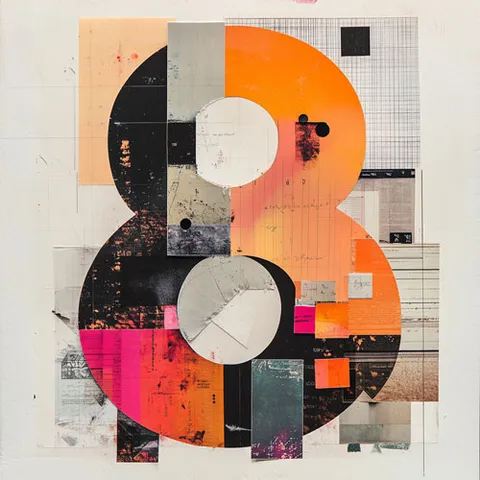
Crazy 8 is a fast-paced brainstorming activity designed to spark creativity and generate innovative solutions by sketching eight ideas in eight minutes. Perfect for teams aiming to think outside the box!

Feature prioritization
Feature prioritization is a participatory exercise designed to identify and organize the key elements of a project or design, ensuring a focus on the most relevant and viable aspects.

Future scenarios
The Future Scenarios activity allows participants to imagine different development possibilities to anticipate risks, seize opportunities, and generate innovative ideas.

Idea Storm
Idea Storm is a collaborative activity inspired by Round Robin that fosters co-creation and innovation through the development and improvement of collective ideas.

Interaction map
The Interaction map is a visual activity that enables participants to identify and analyze key relationships within a system to make informed decisions.

Prototype gallery
The Prototype gallery is a participatory activity that allows teams to present initial models of their ideas, receive feedback, and collaboratively refine their proposals.

Shared Book Boxes
Shared Book Boxes is a participatory activity that promotes free access to reading through the installation of small community libraries in public spaces. Through collective decoration, book exchange, and shared care, this activity strengthens social bonds, fosters culture, and creatively and collaboratively transforms the environment. It can also be developed in digital form by creating open, themed virtual libraries.
Facilitation and participation techniques
To maximize the effectiveness of collaborative methodologies, it is essential to master specific facilitation and participation techniques:Opening and connection techniques
The beginning of any collaborative process is crucial. Methodologies such as Connecting people, Intro Bingo, My first job and Secret Superpower help break the ice and create authentic connections among participants. Also techniques such as 2 Truths and 1 Lie, Until the day I die and Who are we? generate memorable conversations.
Bizarre Bazaar
A creative game to spark imagination: in Bazaar Bizarro, the most ordinary objects become extraordinary products through improvisation, humor, and persuasion. Perfect for energizing groups and boosting self-expression.

Broken Telephone
Broken Telephone is a collaborative game that demonstrates how messages change when passed along, fostering communication skills, active listening, and creativity.
Cascade Greeting
Cascade Greeting is a closing activity where participants greet each other progressively, wishing one another well for the future and creating an atmosphere of gratitude and interpersonal connection.
Circular Conversations
Circular Conversations is a group activity that combines movement and interaction to foster meaningful connections among participants.
Collaborative Life Drawing
Collaborative Live Drawing is an artistic and group-based activity where participants take turns drawing on each other's sheets, based on observation sessions with live models or objects. The constant rotation promotes collaboration, the exploration of multiple styles, and a collective reflection on perception, the body, and shared creation.

Connecting People
Connecting People is a collaborative activity where participants interact based on observable descriptions, encouraging interaction, mutual understanding, and group fun.

Favorite Little Things
Favorite Little Things is a warm participatory activity that invites people to share the small everyday moments that bring them joy, building connection and appreciation within the group.
First Impressions
First Impressions is a participatory activity that explores initial perceptions through the exchange of descriptive words related to communication and leadership styles.
Guess the Drawing
Guess the Drawing is a participatory activity in which participants represent words or concepts through drawings for their team to guess, promoting creativity and teamwork.

Hangman
Hangman is a classic collaborative activity that reinforces knowledge, fosters teamwork, and stimulates learning through fun and creativity.
Human Line
Human Line is a group activity in which participants must line up according to specific criteria, encouraging cooperation and mutual understanding.
Intro Bingo
Intro Bingo es una dinámica rompehielos en la que los participantes completan tarjetas de bingo buscando personas dentro del grupo que cumplan con ciertos atributos. Esta actividad fomenta la interacción, el conocimiento mutuo y la creación de conexiones de manera lúdica y participativa.
Ideation and creativity techniques
To stimulate group creativity, tools such as Think – Pair – Share, What if, Abstraction ladder and Bizarre Bazaar allow exploring multiple perspectives. The Collective Rube Goldberg Machine fosters systemic thinking and practical collaboration. Other creative techniques include Creative brand exploration, Visual inspiration workshop and Oracle card creation.
Ball Sliding
Ball Sliding fosters teamwork and creativity by challenging participants to move a ball collaboratively without touching it.

Brainstorming
Brainstorming fosters collective creativity and collaboration by generating multiple proposals to address a specific challenge.
Circle of gratitude
The Circle of gratitude promotes gratitude and mutual recognition among participants, strengthening group bonds and fostering a positive environment.

Collaborative Competition
Collaborative Competition is an activity that combines teamwork with problem-solving in a friendly, competitive format to foster creativity and learning.
Collaborative Life Drawing
Collaborative Live Drawing is an artistic and group-based activity where participants take turns drawing on each other's sheets, based on observation sessions with live models or objects. The constant rotation promotes collaboration, the exploration of multiple styles, and a collective reflection on perception, the body, and shared creation.

Collaborative sketching
Collaborative sketching is a visual activity that encourages the expression of ideas and the joint development of solutions through quick and simple drawings.
Collective DIY Mascot
Collective DIY Mascot is a participatory activity in which a group builds a symbolic mascot together, adding one element at a time across weeks. The result is a creative, emotional representation of their collective identity.
Collective Rube Goldberg Machine
Collective Rube Goldberg Machine is a participatory activity where teams collaboratively build a whimsical chain reaction device to perform a simple task, using creativity, problem-solving, and everyday materials to spark teamwork and fun experimentation.

Concept Route
The Concept Route organizes and connects key ideas through a collaborative visual journey, facilitating learning and the communication of complex topics.
Crazy 8
Crazy 8 is a fast-paced brainstorming activity designed to spark creativity and generate innovative solutions by sketching eight ideas in eight minutes. Perfect for teams aiming to think outside the box!

Creative Mark Exploration
Creative Mark Exploration is a participatory activity that encourages experimentation with strokes and textures to discover personal styles.

Diaporama
Diaporama is a creative activity where participants collaborate to create and present a series of images or slides that narrate a story or concept, fostering visual communication and critical thinking.
Prioritization and decision-making techniques
To turn ideas into concrete actions, methodologies such as Heat map voting, Dot voting, Now, Next, Later and Impact and effort chart help prioritize efficiently. The Decision maze is especially useful for complex decisions with multiple variables. Impact and feasibility scale and Nine Questions Technique can also be used for deeper analysis.
After Action Review (AAR)
Structured debrief with four questions for learning immediately after any project: what was planned, what happened, why the gap, and what to do differently next time.

Anticipating Challenges
Anticipating Challenges is a participatory activity in which teams imagine that their project has failed and analyze the possible reasons behind this scenario.
Backward Planning
La Planificación retroactiva ayuda a identificar los pasos necesarios para lograr un objetivo trabajando desde el resultado final hacia el presente, promoviendo la estrategia y la claridad grupal.

Bottleneck Analysis
The Bottleneck Analysis is a participatory tool for identifying and addressing recurring obstacles in a project, optimizing processes, and promoting effective collaboration.
Citizens Assembly
Randomly selected citizens who deliberate on a complex policy question over weeks or months, producing evidence-based recommendations free from organized interests.

Civic Dialogues
Structured conversations between citizens and institutions on specific policy issues, with explicit mechanisms for public input to influence concrete decisions.

Community Auction
The Community Auction is an activity where projects symbolically compete for resources, fostering collective evaluation and critical analysis of priorities.

Customer Journey Mapping
Visualize a person's complete experience with your service step by step, uncovering emotions, pain points, and improvement opportunities at every touchpoint.

Data-driven decisions
Data-driven decisions is a collaborative activity designed to help teams classify key questions, explore research methods, and balance qualitative and quantitative insights to drive better decision-making.

Decision maze
The Decision maze guides participants through paths and challenges that simulate real decision-making processes, promoting critical and collaborative learning.

Deliberative Poll
Combines a scientific survey with facilitated deliberation to measure how public opinion shifts when citizens engage with balanced information and genuine peer dialogue.
Design Sprint
Five-day method for going from a complex problem to a tested prototype — compressing months of design iteration into one focused week with real user feedback on day five.
Reflection and evaluation techniques
Continuous reflection is essential for collaborative learning. Tools such as I like, I wish, I wonder, Traffic light dynamic, Appreciation circle and Emotion diary facilitate constructive evaluation and group growth.
Affinity diagram
The Affinity Diagram is a visual and participatory tool that organizes ideas into categories to facilitate group analysis and informed decision-making.
Art of Hosting
A facilitation framework for hosting meaningful conversations at scale. Integrates World Café, Open Space, and Circle practice to harvest collective wisdom from groups of 20 to 150.
Cascade Greeting
Cascade Greeting is a closing activity where participants greet each other progressively, wishing one another well for the future and creating an atmosphere of gratitude and interpersonal connection.

Chronological Review
The Chronological Review is a participatory activity that analyzes progress by comparing it to the planned timeline, promoting adjustments and reflections to ensure the project's success.
Circle of gratitude
The Circle of gratitude promotes gratitude and mutual recognition among participants, strengthening group bonds and fostering a positive environment.
Collaborative Life Drawing
Collaborative Live Drawing is an artistic and group-based activity where participants take turns drawing on each other's sheets, based on observation sessions with live models or objects. The constant rotation promotes collaboration, the exploration of multiple styles, and a collective reflection on perception, the body, and shared creation.
Collective DIY Mascot
Collective DIY Mascot is a participatory activity in which a group builds a symbolic mascot together, adding one element at a time across weeks. The result is a creative, emotional representation of their collective identity.
Collective Questionnaire
The Collective Questionnaire is a participatory dynamic that enables the collaborative design of key questions, ensuring their relevance and usefulness for the project's or research’s purpose.
Community Planting Day
Community Planting Day is a participatory dynamic where a group comes together to plant vegetation in a shared space, promoting environmental awareness, social connection, and collective responsibility.
Comparative Photography
Comparative Photography is a visual and participatory tool for documenting and analyzing changes before and after an intervention, fostering collective reflection on the impact achieved.

Confidence Vote
Confidence Vote is a fast participatory dynamic that lets groups gauge consensus, commitment levels, or uncertainty on a proposal by voting with hand signals or visual cues.

Critical Incident
The Critical Incident activity is based on experiential learning techniques and reflective analysis to turn challenges into opportunities for growth.
Effective implementation of collaborative methodologies
To maximize the benefits of collaborative methodologies, it is essential to consider these critical success factors:1. Cultivate a culture of collaboration
Before implementing specific techniques, it is essential to develop an organizational culture that values and rewards collaboration. This implies:- Establishing recognition systems that reward collective achievements, using tools such as Daily achievements board and The stars.
- Fostering informational transparency through shared access to relevant data with techniques such as Data-based decisions.
- Normalizing vulnerability and learning from mistakes as part of the creative process, using methodologies such as Epic failure and Safety stories.
2. Select the right tools
Technological infrastructure can enhance or limit effective collaboration:- Collaborative work platforms that allow simultaneous editing.
- Visual management systems such as digital Kanban boards that facilitate coordination.
- Communication tools that integrate formal and informal channels.
3. Design deliberate collaborative processes
Effective collaboration rarely happens spontaneously; it requires well-designed processes:- Establish clear protocols for collaborative decision-making.
- Implement regular feedback cycles that allow continuous adjustments.
- Define roles and responsibilities that facilitate coordination without creating rigid hierarchies.
4. Develop collaborative capabilities
The skills that underpin effective collaboration can and must be systematically cultivated:- Active listening and nonviolent communication to navigate disagreements productively.
- Systems thinking to understand complex interrelationships.
- Group facilitation to manage collective dynamics and maximize contributions.