Collaborative Games for Outdoor Camps
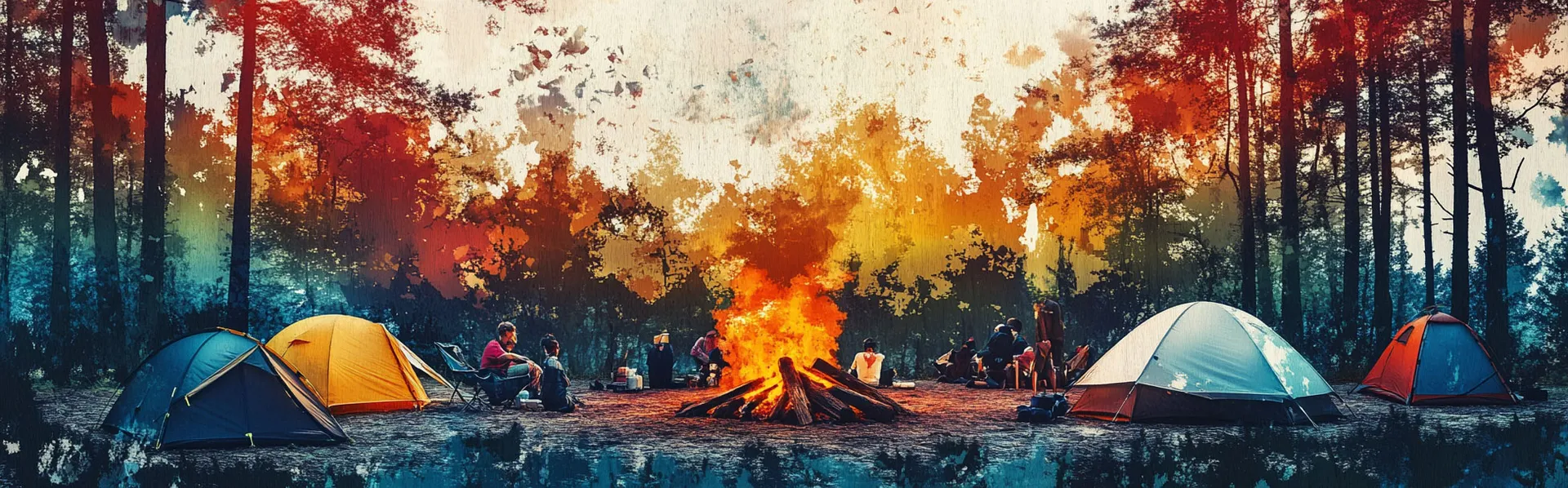
Strategies to strengthen teams, build meaningful connections, and create memorable outdoor experiences
Camps are ideal settings for groups of children, teenagers, or adults to experience collaborative learning in contact with nature. Collaborative games for camps transform outdoor time into opportunities to develop social skills, strengthen group cohesion, and create shared memories that last long after the experience ends. Through playful activities designed for the camp context, participants learn to trust others, solve challenges together, and value the diversity of skills within the group. Unlike traditional competitive games, collaborative camp games emphasize cooperation, inclusion, and achieving shared goals. These participatory activities draw on the natural environment, create deep emotional bonds, and foster respect for nature. This type of activity is also known as: cooperative activities for holiday camps, outdoor team-building games, educational camp dynamics, recreational activities for retreats, or integration games for youth camps.Why include collaborative games when planning a camp?
Incorporating collaborative games into camp activity planning multiplies the educational value of the outdoor experience. These structured activities use the natural context to create authentic challenges that require the active participation of all group members, generating learning that goes beyond play. Some of the main advantages of including collaborative games at camps include:- Development of teamwork skills in real and challenging contexts.
- Strengthening trust and mutual support among participants.
- Creation of shared experiences that build group identity.
- Fostering respect for nature and the natural environment.
- Inclusion of participants with different abilities and characteristics.
- Development of problem-solving skills and creative thinking.
- Building autonomy, shared leadership, and group responsibility.
- Creating moments of genuine fun and emotional connection.
Types of collaborative games for camps
Nature adventure and exploration games
These games use the camp's natural surroundings to create challenges of collective exploration, navigation, and discovery. Through treasure hunts, exploration routes, or nature missions, groups must collaborate to navigate the terrain, find clues, and reach shared objectives. They are ideal for fostering observation, teamwork, and connection with the natural environment.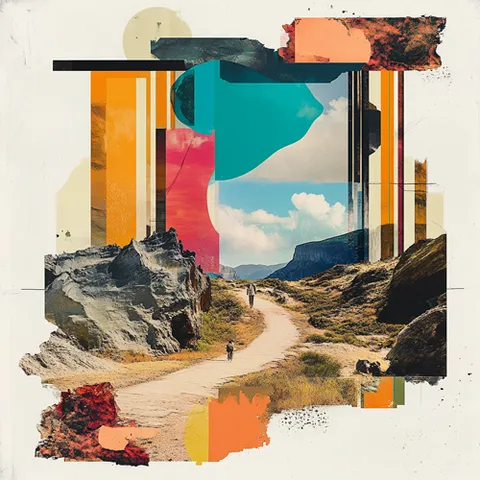
Art Trail
Art Trail is a collaborative activity in which participants intervene in a public or community space through collective artistic actions, aiming to reframe and transform it into a unique, meaningful, and shared place for the community.
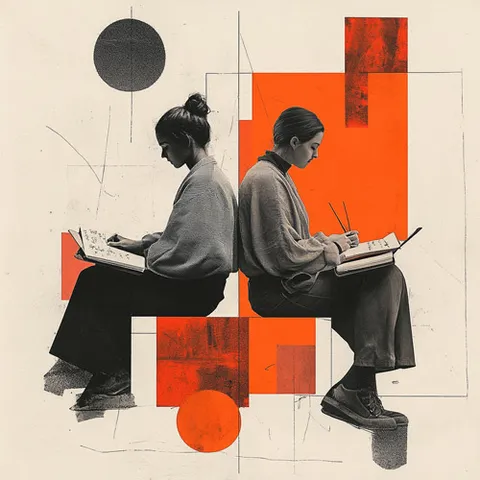
Back-to-Back Drawing
Back-to-Back Drawing is a participatory activity in which participants work in pairs to describe and reproduce an image without seeing it, fostering communication and active listening skills.
Ball Sliding
Ball Sliding fosters teamwork and creativity by challenging participants to move a ball collaboratively without touching it.
Bizarre Bazaar
A creative game to spark imagination: in Bazaar Bizarro, the most ordinary objects become extraordinary products through improvisation, humor, and persuasion. Perfect for energizing groups and boosting self-expression.
Collaborative Competition
Collaborative Competition is an activity that combines teamwork with problem-solving in a friendly, competitive format to foster creativity and learning.
Collaborative Life Drawing
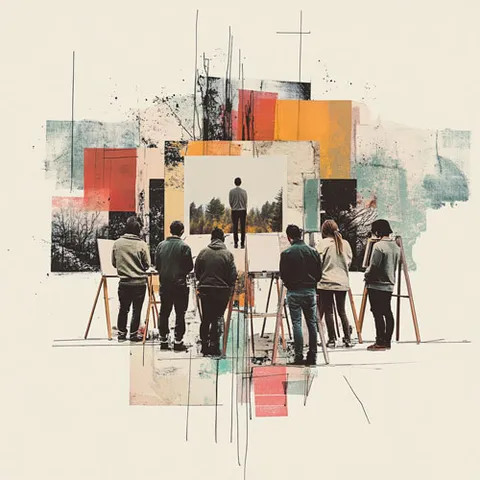
Collaborative Live Drawing is an artistic and group-based activity where participants take turns drawing on each other's sheets, based on observation sessions with live models or objects. The constant rotation promotes collaboration, the exploration of multiple styles, and a collective reflection on perception, the body, and shared creation.
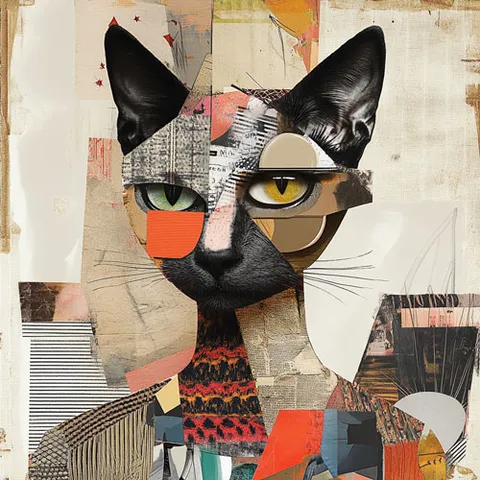
Collective DIY Mascot
Collective DIY Mascot is a participatory activity in which a group builds a symbolic mascot together, adding one element at a time across weeks. The result is a creative, emotional representation of their collective identity.
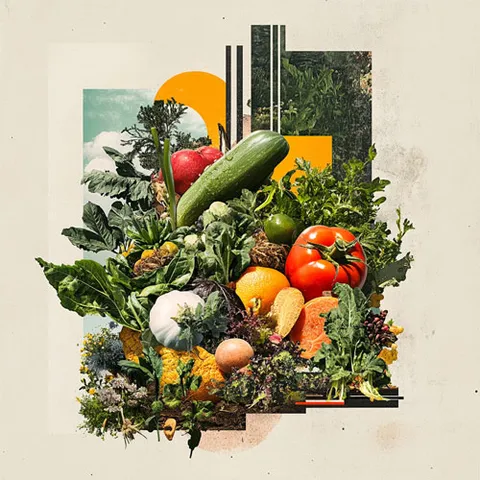
Community Garden
Community garden is a participatory activity in which neighbors, students, or community groups come together to create and care for a garden in a shared space. Through collaborative work, they grow food, exchange knowledge, and strengthen their connection with the environment and the community.
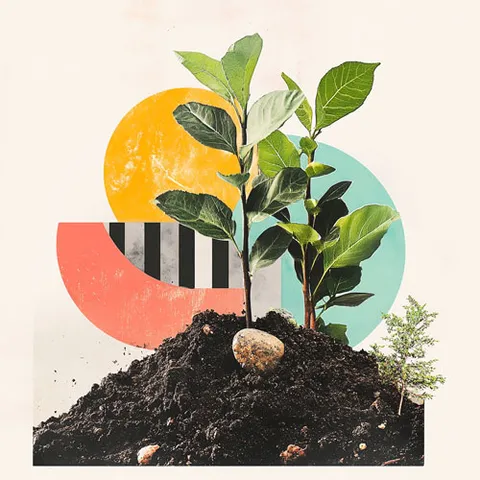
Community Planting Day
Community Planting Day is a participatory dynamic where a group comes together to plant vegetation in a shared space, promoting environmental awareness, social connection, and collective responsibility.
Connecting People
Connecting People is a collaborative activity where participants interact based on observable descriptions, encouraging interaction, mutual understanding, and group fun.

Critical Incident
The Critical Incident activity is based on experiential learning techniques and reflective analysis to turn challenges into opportunities for growth.
Diaporama
Diaporama is a creative activity where participants collaborate to create and present a series of images or slides that narrate a story or concept, fostering visual communication and critical thinking.
Nighttime and campfire games
Games specially designed for night or around the campfire create unique atmospheres of group connection. Activities like story circles, light games, nighttime dramatizations, or camp rituals generate moments of intimacy, deep listening, and shared narrative building. They are especially valuable for closing intense days and creating lasting emotional memories.
Ball of thread
Ball of thread is a collaborative activity where participants build a symbolic thread network to reflect their connections, fostering group cohesion and teamwork.
Cascade Greeting
Cascade Greeting is a closing activity where participants greet each other progressively, wishing one another well for the future and creating an atmosphere of gratitude and interpersonal connection.
Circular Conversations
Circular Conversations is a group activity that combines movement and interaction to foster meaningful connections among participants.
Connecting People
Connecting People is a collaborative activity where participants interact based on observable descriptions, encouraging interaction, mutual understanding, and group fun.
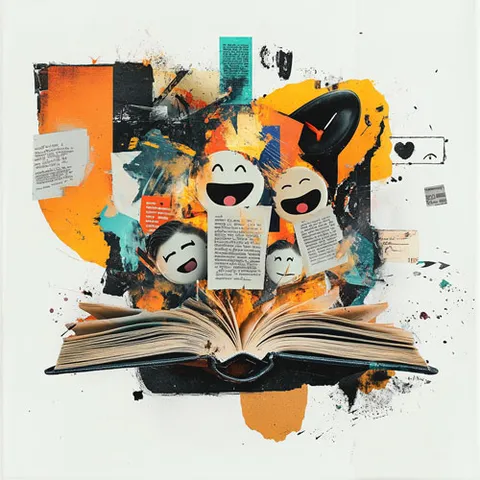
Emotion Journal
Emotion Journal is a reflective practice that helps track emotional patterns, promote self-regulation, and foster empathy.
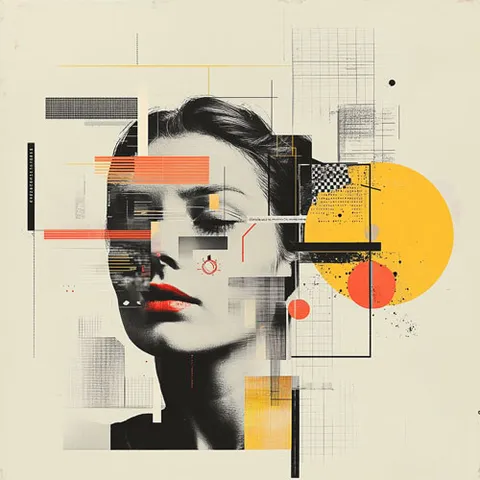
Empathy Map
The Empathy Map helps to better understand people's emotions, thoughts, and behaviors to design more human-centered and effective solutions.
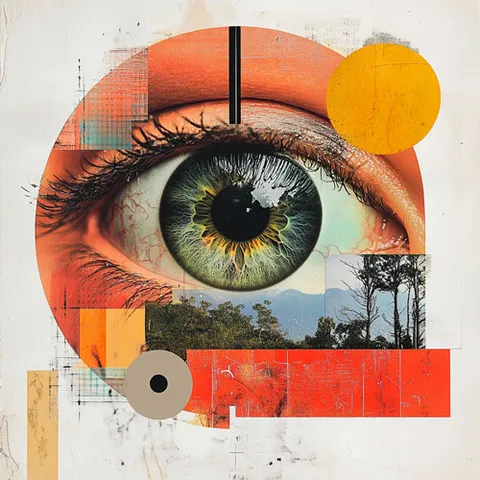
Guided Visualizations
Guided Visualizations is a participatory activity where participants co-create a visualization in a chain format, exploring creativity and group connection through collective storytelling. It is ideal for fostering reflection, relaxation, and shared imagination.
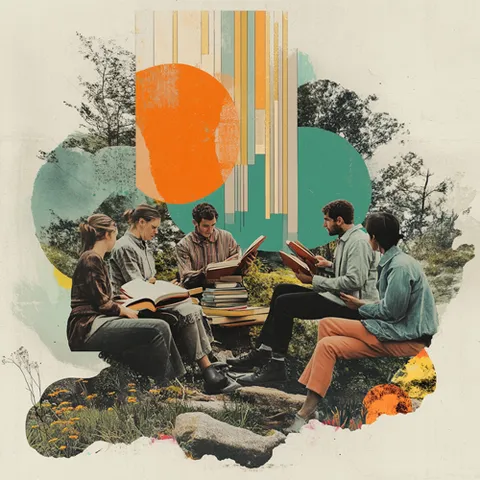
Reading Club
Reading Club is a participatory activity where a group of people gathers to share impressions, ideas, and reflections based on a common text, fostering conversation, active listening, and collective learning.
Stars
Las estrellas es una dinámica colaborativa donde los participantes reflejan sus fortalezas y contribuciones en un cielo colectivo, promoviendo la autovaloración, el sentido de pertenencia y la unidad grupal.
Team Charter Workshop
A foundational session where a new team co-creates their shared purpose, roles, working agreements, and norms — the social contract that makes real collaboration possible.
The Letter
The Letter is a reflective activity that allows participants to write meaningful messages to explore emotions, thoughts, and personal connections.
Time Capsule
Time Capsule is a reflective activity that allows participants to capture their current ideas, wishes, and learnings in a symbolic capsule to be opened in the future, fostering introspection and group cohesion.
Construction and cooperative challenge games
These activities present construction or obstacle-overcoming challenges that can only be solved through intelligent group collaboration, developing coordination, collective planning, and mutual trust in contexts that require shared effort.
Anticipating Challenges
Anticipating Challenges is a participatory activity in which teams imagine that their project has failed and analyze the possible reasons behind this scenario.
Back-to-Back Drawing
Back-to-Back Drawing is a participatory activity in which participants work in pairs to describe and reproduce an image without seeing it, fostering communication and active listening skills.
Ball Sliding
Ball Sliding fosters teamwork and creativity by challenging participants to move a ball collaboratively without touching it.
Bizarre Bazaar
A creative game to spark imagination: in Bazaar Bizarro, the most ordinary objects become extraordinary products through improvisation, humor, and persuasion. Perfect for energizing groups and boosting self-expression.
Brainstorming
Brainstorming fosters collective creativity and collaboration by generating multiple proposals to address a specific challenge.
Broken Telephone
Broken Telephone is a collaborative game that demonstrates how messages change when passed along, fostering communication skills, active listening, and creativity.
Collaborative Competition
Collaborative Competition is an activity that combines teamwork with problem-solving in a friendly, competitive format to foster creativity and learning.
Collaborative Life Drawing
Collaborative Live Drawing is an artistic and group-based activity where participants take turns drawing on each other's sheets, based on observation sessions with live models or objects. The constant rotation promotes collaboration, the exploration of multiple styles, and a collective reflection on perception, the body, and shared creation.
Collaborative mind map
The Collaborative mind map is a visual tool that allows groups to explore, organize, and connect ideas on a topic in a creative and participatory way.
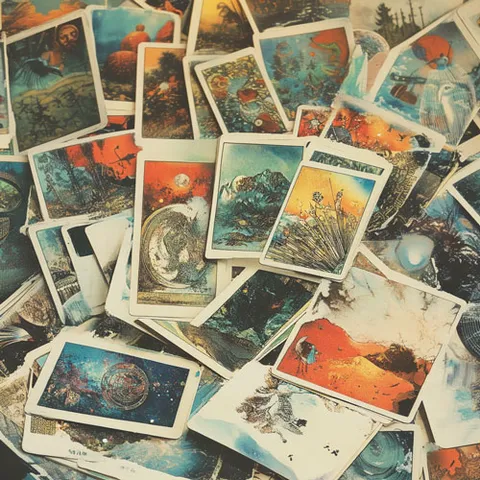
Collaborative Oracle Card Creation
Collaborative Oracle Card Creation is a participatory activity where participants co-design a deck of oracle cards with meaningful symbols and messages, fostering creativity and collective reflection.
Collaborative sketching
Collaborative sketching is a visual activity that encourages the expression of ideas and the joint development of solutions through quick and simple drawings.
Collective Questionnaire
The Collective Questionnaire is a participatory dynamic that enables the collaborative design of key questions, ensuring their relevance and usefulness for the project's or research’s purpose.
Communication and trust games
These games are specifically designed to develop effective communication skills and interpersonal trust. Through dynamics that require precise verbal communication, active listening, or physical trust (such as guiding blindfolded partners), participants strengthen bonds in a profound way. They are fundamental in the early stages of camp to build group cohesion.
Say It with Mime
Say It with Mime is a fun and collaborative activity where participants must act out words or phrases using gestures for their team to guess.
Tandem Drawing
Tandem Drawing is a collaborative activity that promotes creativity and communication, where participants work together to create synchronized and unique drawings.
Communities of Practice
Communities of Practice brings together people with shared interests or challenges to exchange experiences, build collective knowledge, and generate solutions collaboratively.
Participatory Escape Room
Participatory Escape Room is a participatory dynamic where a group works collaboratively to solve puzzles and challenges within a limited time, developing critical thinking, effective communication, and creative problem-solving.
The Sinking Ship
The Sinking Ship is a participatory activity where groups form quickly according to an announced number, developing mental agility, active inclusion, and coordination under pressure.
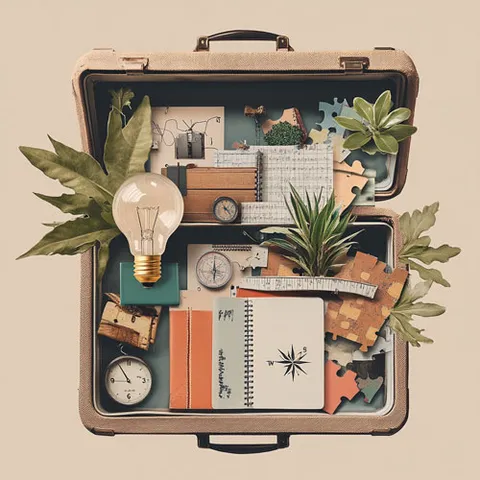
The Suitcase
The Suitcase is a participatory dynamic where each person symbolically "packs" what they bring to the group, recognizing individual strengths and creating an initial atmosphere of connection and collaboration.
Thematic Committees
Thematic Committees are working groups that analyze specific proposals in key areas, promoting informed and strategic decisions through active participation and collaboration.
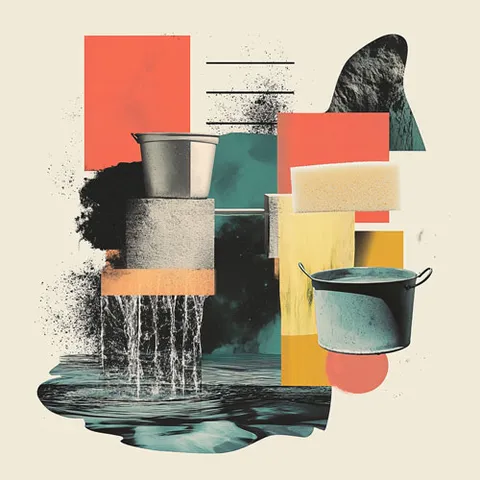
Wet Sponge Relay
Wet Sponge Relay is a participatory activity where teams transport water between containers using sponges in cooperative relays, combining refreshing fun, motor coordination, and teamwork in outdoor activities.
Back-to-Back Drawing
Back-to-Back Drawing is a participatory activity in which participants work in pairs to describe and reproduce an image without seeing it, fostering communication and active listening skills.
Circle of gratitude
The Circle of gratitude promotes gratitude and mutual recognition among participants, strengthening group bonds and fostering a positive environment.
Collaborative data portrait
Collaborative Data Portrait is a visual activity where participants create a group portrait using graphically represented data, fostering self-expression and team connection.
Community Planting Day
Community Planting Day is a participatory dynamic where a group comes together to plant vegetation in a shared space, promoting environmental awareness, social connection, and collective responsibility.
Cooperative physical movement games
These activities emphasize coordinated body movement and shared physical activity. Traditional games adapted for collaboration, cooperative relays, or synchronized movement challenges develop motor skills while strengthening the ability to work together. They are ideal for making use of the open spaces at camp and promoting the group's physical health.Ball Sliding
Ball Sliding fosters teamwork and creativity by challenging participants to move a ball collaboratively without touching it.
The Name Game
The Name Game is an interactive activity where participants throw a ball while saying the name of the person receiving it, promoting name memorization and group interaction.
The Question Ball
The Question Ball is a playful and reflective activity where participants answer questions read by the facilitator upon receiving a ball, fostering group interaction in a fun and meaningful way.
Throw and Catch
Throw and Catch is a collaborative activity where participants must coordinate to keep multiple balls in motion, fostering cooperation, focus, and teamwork.
Energizing and icebreaker games
These dynamics are designed to activate group energy, break the initial ice, and generate shared laughter. Brief, fun, high-participation activities that create a positive atmosphere and help participants relax and connect. They are perfect for the start of the day, after meals, or to re-energize moments of low group energy.Ball of thread
Ball of thread is a collaborative activity where participants build a symbolic thread network to reflect their connections, fostering group cohesion and teamwork.
Bizarre Bazaar
A creative game to spark imagination: in Bazaar Bizarro, the most ordinary objects become extraordinary products through improvisation, humor, and persuasion. Perfect for energizing groups and boosting self-expression.
Broken Telephone
Broken Telephone is a collaborative game that demonstrates how messages change when passed along, fostering communication skills, active listening, and creativity.
Cascade Greeting
Cascade Greeting is a closing activity where participants greet each other progressively, wishing one another well for the future and creating an atmosphere of gratitude and interpersonal connection.
Circular Conversations
Circular Conversations is a group activity that combines movement and interaction to foster meaningful connections among participants.
Collaborative Life Drawing
Collaborative Live Drawing is an artistic and group-based activity where participants take turns drawing on each other's sheets, based on observation sessions with live models or objects. The constant rotation promotes collaboration, the exploration of multiple styles, and a collective reflection on perception, the body, and shared creation.
Connecting People
Connecting People is a collaborative activity where participants interact based on observable descriptions, encouraging interaction, mutual understanding, and group fun.
Human Line
Human Line is a group activity in which participants must line up according to specific criteria, encouraging cooperation and mutual understanding.
Never Have I Ever
Never Have I Ever is a collaborative game where participants share experiences in a relaxed environment, promoting connection and group empathy.

One Sentence a Day
One Sentence a Day is a participatory activity in which each person contributes one short sentence every day to collectively build a record of shared thoughts, emotions, or reflections over a set period of time.
Paper Frisbee
Paper Frisbee is a group energizer where participants use paper plates as frisbees, aiming to land them as close as possible to a target plate.
Photo Storytelling
Photo Storytelling is an activity where participants select random images and use them to construct a story, fostering creativity and group engagement.
Strategies for implementing collaborative games at camps effectively
For collaborative camp games to be successful and safe, it is essential to plan ahead, adapt activities to the natural context, and facilitate experiences that balance challenge with inclusion. Below are key strategies for implementing games that maximize learning and fun:1. Adapt games to the environment and available resources
The camp offers unique resources that should be used creatively:- Explore the terrain in advance: Identify safe spaces for different types of activities (forest, open field, campfire area).
- Use natural materials: Incorporate elements such as sticks, stones, leaves, or logs when safe and appropriate.
- Take advantage of the location's features: Use trees, hills, streams, or trails as integral parts of the challenges.
- Consider weather conditions: Have alternatives ready for adverse weather (rain, extreme heat, wind).
- Adapt schedules to natural light: Plan intense activities during the day and calmer games at dusk.
2. Prioritize safety at all times
Safety is fundamental in outdoor activities:- Conduct risk assessments: Identify potential hazards in each activity and mitigate them.
- Establish clear physical boundaries: Define safe areas where participants can move.
- Check equipment and materials: Ensure ropes, harnesses, or other equipment are in good condition.
- Train facilitators in first aid: Ensure the presence of staff trained for emergencies.
- Communicate safety rules: Emphasize rules such as no running on rocky terrain or always notifying when moving away from the group.
- Consider physical abilities: Adapt physical challenges to include participants with different fitness levels.
3. Design progressions that build cohesion gradually
Camp games should follow an intentional progression:- Day 1 - Icebreakers and getting to know each other: Start with light games that help participants learn names and characteristics.
- Days 2-3 - Building trust: Introduce activities that require mutual support and effective communication.
- Days 4-5 - Complex challenges: Present more demanding challenges that build on the trust already established.
- Final day - Celebration and closure: End with activities that honor the journey and close the cycle.
- Increase complexity gradually: Do not start with the hardest games; build skills progressively.
4. Facilitate with sensitivity to the group and the moment
Facilitation at camps requires flexibility and constant reading of the group:- Read energy levels: Adjust activities according to whether the group is active, tired, or needs movement.
- Observe interpersonal dynamics: Identify emerging conflicts and use games to address them constructively.
- Allow breaks when necessary: Physical tiredness is real at camps; respect the group's limits.
- Adapt on the fly: If a game is not working, change it without clinging to the original plan.
- Seize magic moments: If a special connection arises spontaneously, give it space even if it alters the schedule.
5. Integrate reflection and processing of experiences
Games are most valuable when consciously processed:- Create reflection spaces after key activities: Ask what they learned, how they felt, what was challenging.
- Use talking circles at the end of the day: Invite sharing of meaningful moments from the session.
- Connect learning with everyday life: Help participants see how the skills developed apply outside camp.
- Document the process visually: Take photos, create murals, or records that capture the group's evolution.
- Celebrate collective achievements: Explicitly acknowledge how the group overcame challenges together.
6. Foster connection with nature
Camps are opportunities to develop environmental awareness:- Incorporate nature observation into games: Challenges to identify species, listen to forest sounds, etc.
- Practice leave-no-trace principles: Teach participants to minimize their impact on the environment.
- Use games to generate appreciation for the ecosystem: Activities that reveal interdependence in nature.
- Create gratitude rituals for the land: Moments to give thanks to the space that hosts them.
- Promote conscious silence: Moments of stillness to listen and observe the surroundings.
7. Prepare materials and logistics in advance
Prior organization is crucial for success:- Detailed materials list: Prepare all necessary equipment before arriving at camp.
- Activity kit by day: Organize materials by session to facilitate transitions.
- Plan B for each activity: Have alternatives that do not require specific materials in case of unforeseen events.
- Communication with the facilitation team: Ensure everyone knows the activities and their roles.
- Check site regulations: Confirm which activities are permitted at the camp location.
8. Create camp traditions and rituals
Rituals generate identity and belonging:- Group chants or cheers: Create identity elements the group can repeat.
- Beginning and end-of-day rituals: Establish predictable moments that mark transitions.
- Special ceremonies: Final campfires, recognition awards, or meaningful closing moments.
- Symbolic objects: Elements that represent the group's values and are passed around.
- Camp stories: Narratives that are built and told throughout the days.