Icebreaker Games to Start the Work Year
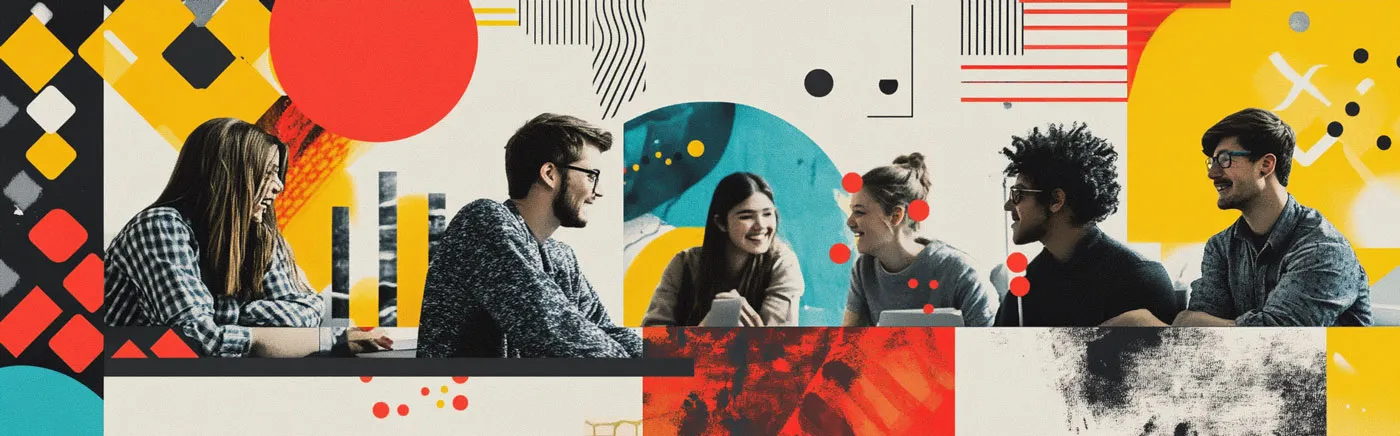
Integration activities to reconnect teams, activate energy and create a motivating start to the year
Returning to work after the year-end holidays can feel like an adjustment moment for both individuals and entire teams. Icebreaker games to start the work year are participatory tools specifically designed to facilitate this transition, helping teams reconnect after the rest period, reactivate collaborative energy and set a positive tone for the months ahead. These activities transform the first day or first week of work into a warm and motivating reunion experience. Unlike simply picking up pending tasks, new-year icebreaker games create an intentional space for coworkers to catch up with each other, share experiences from the holiday period and rebuild the social bonds that sustain effective collaboration. This type of dynamic is also known as: January workplace reintegration activities, new year welcome games at work, post-holiday reconnection dynamics, team-building exercises for the start of the year, or motivating work kickoff activities.Why use icebreaker games at the start of the work year?
Icebreaker games at the start of the work year serve specific functions that go beyond simple fun. After days or weeks of disconnection, teams need to re-establish communication patterns, update information about personal or professional changes, and recalibrate group dynamics. These activities facilitate this process in a natural and enjoyable way, reducing return anxiety and creating positive momentum. Some of the main advantages of implementing icebreaker games at the start of the work year include:- Facilitating the transition from vacation mode to productive mode gradually and positively.
- Rebuilding social connections that may have cooled during the separation.
- Updating the team on relevant personal or professional news.
- Generating positive energy and enthusiasm for the new year's projects.
- Reducing stress and resistance associated with returning to work.
- Creating a welcoming atmosphere that validates rest and celebrates reunion.
- Establishing a tone of collaboration and camaraderie for the entire year.
Types of icebreaker games for the start of the work year
Personal update and reconnection games
These activities create structured spaces for team members to share what has been meaningful during the rest period, whether vacation experiences, personal reflections or simply standout moments. Beyond the typical question "how were your holidays?", these games use creative formats that generate deeper conversations and allow new facets of colleagues to emerge.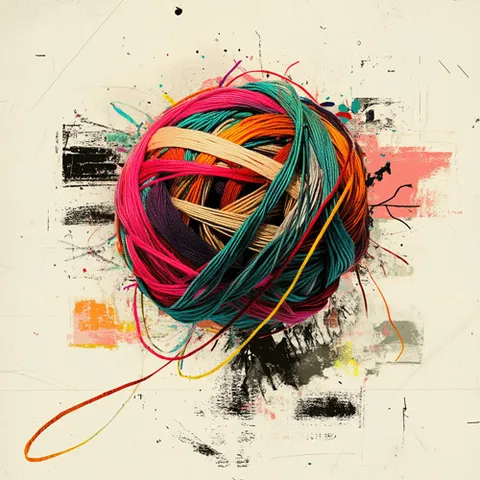
Ball of thread
Ball of thread is a collaborative activity where participants build a symbolic thread network to reflect their connections, fostering group cohesion and teamwork.
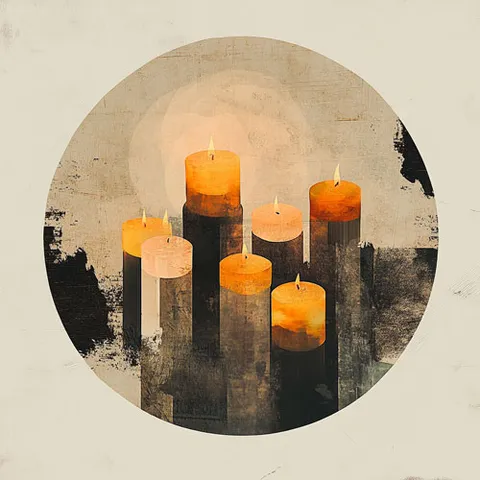
Candle Ceremony
The Candle Ceremony is a participatory activity that creates a meaningful ritual where each participant lights a candle while sharing reflections, intentions, or farewells, generating a moment of deep emotional connection and collective symbolic closure.
Cascade Greeting
Cascade Greeting is a closing activity where participants greet each other progressively, wishing one another well for the future and creating an atmosphere of gratitude and interpersonal connection.
Emotion Journal
Emotion Journal is a reflective practice that helps track emotional patterns, promote self-regulation, and foster empathy.
Guided Visualizations
Guided Visualizations is a participatory activity where participants co-create a visualization in a chain format, exploring creativity and group connection through collective storytelling. It is ideal for fostering reflection, relaxation, and shared imagination.
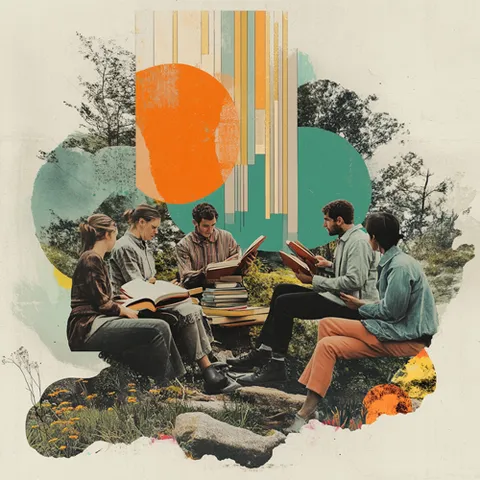
Reading Club
Reading Club is a participatory activity where a group of people gathers to share impressions, ideas, and reflections based on a common text, fostering conversation, active listening, and collective learning.
Secret Superpower
Secret Superpower is a participatory icebreaker in which each person anonymously shares a positive trait or skill as if it were a superpower, creating a space for play, connection, and group recognition.
Stars
Las estrellas es una dinámica colaborativa donde los participantes reflejan sus fortalezas y contribuciones en un cielo colectivo, promoviendo la autovaloración, el sentido de pertenencia y la unidad grupal.
The Letter
The Letter is a reflective activity that allows participants to write meaningful messages to explore emotions, thoughts, and personal connections.
The Sinking Ship
The Sinking Ship is a participatory activity where groups form quickly according to an announced number, developing mental agility, active inclusion, and coordination under pressure.
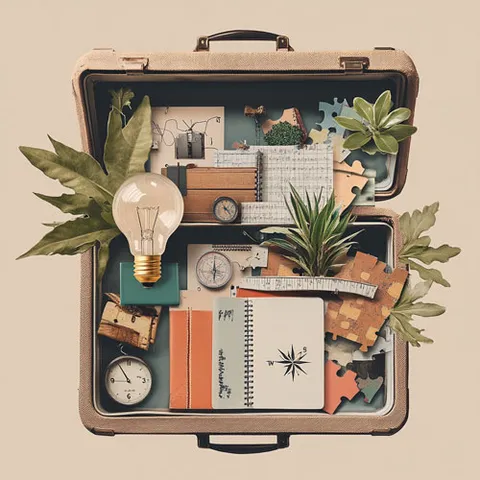
The Suitcase
The Suitcase is a participatory dynamic where each person symbolically "packs" what they bring to the group, recognizing individual strengths and creating an initial atmosphere of connection and collaboration.
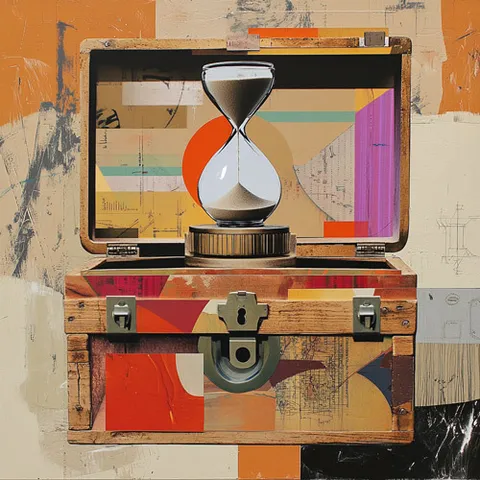
Time Capsule
Time Capsule is a reflective activity that allows participants to capture their current ideas, wishes, and learnings in a symbolic capsule to be opened in the future, fostering introspection and group cohesion.
Energizing and physical activation games
After the slower pace of vacation, body and mind need to gradually reactivate. These games combine moderate physical movement with social interaction, generating endorphins and raising the group's energy levels. They are especially effective for combating first-day sluggishness and creating a dynamic, cheerful atmosphere that facilitates the transition back to the work rhythm.Ball of thread
Ball of thread is a collaborative activity where participants build a symbolic thread network to reflect their connections, fostering group cohesion and teamwork.
Bizarre Bazaar
A creative game to spark imagination: in Bazaar Bizarro, the most ordinary objects become extraordinary products through improvisation, humor, and persuasion. Perfect for energizing groups and boosting self-expression.
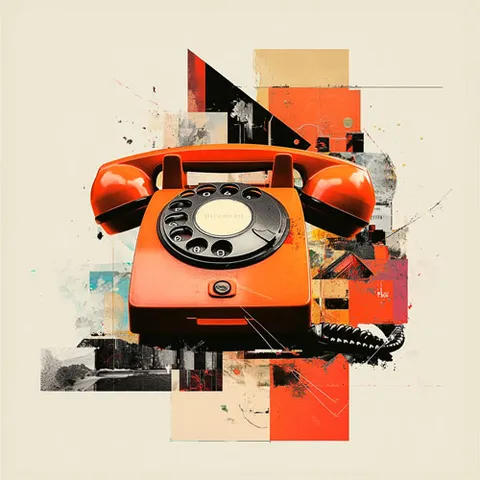
Broken Telephone
Broken Telephone is a collaborative game that demonstrates how messages change when passed along, fostering communication skills, active listening, and creativity.
Cascade Greeting
Cascade Greeting is a closing activity where participants greet each other progressively, wishing one another well for the future and creating an atmosphere of gratitude and interpersonal connection.
Circular Conversations
Circular Conversations is a group activity that combines movement and interaction to foster meaningful connections among participants.
Collaborative Life Drawing
Collaborative Live Drawing is an artistic and group-based activity where participants take turns drawing on each other's sheets, based on observation sessions with live models or objects. The constant rotation promotes collaboration, the exploration of multiple styles, and a collective reflection on perception, the body, and shared creation.

Connecting People
Connecting People is a collaborative activity where participants interact based on observable descriptions, encouraging interaction, mutual understanding, and group fun.
Human Line
Human Line is a group activity in which participants must line up according to specific criteria, encouraging cooperation and mutual understanding.

Never Have I Ever
Never Have I Ever is a collaborative game where participants share experiences in a relaxed environment, promoting connection and group empathy.

One Sentence a Day
One Sentence a Day is a participatory activity in which each person contributes one short sentence every day to collectively build a record of shared thoughts, emotions, or reflections over a set period of time.
Paper Frisbee
Paper Frisbee is a group energizer where participants use paper plates as frisbees, aiming to land them as close as possible to a target plate.

Photo Storytelling
Photo Storytelling is an activity where participants select random images and use them to construct a story, fostering creativity and group engagement.
Knowledge and mutual discovery games
Although coworkers know each other, there are always new aspects to discover. These activities reveal curious facts, hidden skills, unknown experiences or shared interests that strengthen interpersonal bonds. They are especially valuable when there are new members who joined before the holidays and are not yet fully integrated into the team.Bizarre Bazaar
A creative game to spark imagination: in Bazaar Bizarro, the most ordinary objects become extraordinary products through improvisation, humor, and persuasion. Perfect for energizing groups and boosting self-expression.
Broken Telephone
Broken Telephone is a collaborative game that demonstrates how messages change when passed along, fostering communication skills, active listening, and creativity.
Cascade Greeting
Cascade Greeting is a closing activity where participants greet each other progressively, wishing one another well for the future and creating an atmosphere of gratitude and interpersonal connection.
Circular Conversations
Circular Conversations is a group activity that combines movement and interaction to foster meaningful connections among participants.
Collaborative Life Drawing
Collaborative Live Drawing is an artistic and group-based activity where participants take turns drawing on each other's sheets, based on observation sessions with live models or objects. The constant rotation promotes collaboration, the exploration of multiple styles, and a collective reflection on perception, the body, and shared creation.
Connecting People
Connecting People is a collaborative activity where participants interact based on observable descriptions, encouraging interaction, mutual understanding, and group fun.

Favorite Little Things
Favorite Little Things is a warm participatory activity that invites people to share the small everyday moments that bring them joy, building connection and appreciation within the group.
First Impressions
First Impressions is a participatory activity that explores initial perceptions through the exchange of descriptive words related to communication and leadership styles.
Guess the Drawing
Guess the Drawing is a participatory activity in which participants represent words or concepts through drawings for their team to guess, promoting creativity and teamwork.
Hangman
Hangman is a classic collaborative activity that reinforces knowledge, fosters teamwork, and stimulates learning through fun and creativity.
Human Line
Human Line is a group activity in which participants must line up according to specific criteria, encouraging cooperation and mutual understanding.
Intro Bingo
Intro Bingo es una dinámica rompehielos en la que los participantes completan tarjetas de bingo buscando personas dentro del grupo que cumplan con ciertos atributos. Esta actividad fomenta la interacción, el conocimiento mutuo y la creación de conexiones de manera lúdica y participativa.
Projection and expectations games for the year
These games combine the icebreaker element with a forward-looking perspective, inviting participants to share their expectations, wishes or intentions for the work year that is beginning. By expressing aspirations in a playful way, a sense of shared purpose is generated and possible synergies between individual and group objectives are identified.
Narrative workshop
Engage in a Narrative workshop to share stories, foster empathy, and build collective solutions. Ideal for team building, reflection, and creative problem-solving.
Visioning Workshop
Strategic planning methodology for co-creating a concrete image of a desired future, establishing the foundation for collective transformation and change processes.
Art Trail
Art Trail is a collaborative activity in which participants intervene in a public or community space through collective artistic actions, aiming to reframe and transform it into a unique, meaningful, and shared place for the community.

Community Garden
Community garden is a participatory activity in which neighbors, students, or community groups come together to create and care for a garden in a shared space. Through collaborative work, they grow food, exchange knowledge, and strengthen their connection with the environment and the community.
Community Planting Day
Community Planting Day is a participatory dynamic where a group comes together to plant vegetation in a shared space, promoting environmental awareness, social connection, and collective responsibility.
Future scenarios
The Future Scenarios activity allows participants to imagine different development possibilities to anticipate risks, seize opportunities, and generate innovative ideas.

Make a Wish
Make a Wish is a participatory dynamic in which a community identifies meaningful wishes or needs that can be addressed collectively, votes on one of them, and organizes collaborative actions to make it come true, gathering support from individuals, organizations, and local businesses.
Reading Club
Reading Club is a participatory activity where a group of people gathers to share impressions, ideas, and reflections based on a common text, fostering conversation, active listening, and collective learning.

Shared Book Boxes
Shared Book Boxes is a participatory activity that promotes free access to reading through the installation of small community libraries in public spaces. Through collective decoration, book exchange, and shared care, this activity strengthens social bonds, fosters culture, and creatively and collaboratively transforms the environment. It can also be developed in digital form by creating open, themed virtual libraries.
Time Capsule
Time Capsule is a reflective activity that allows participants to capture their current ideas, wishes, and learnings in a symbolic capsule to be opened in the future, fostering introspection and group cohesion.
What If
What if fosters creativity and critical analysis by exploring hypothetical scenarios in a team setting.
After Action Review (AAR)
Structured debrief with four questions for learning immediately after any project: what was planned, what happened, why the gap, and what to do differently next time.
Creative and playful thinking games
To gradually and pleasantly reactivate the mind, these games propose light creative challenges that stimulate thinking without generating stress. They are ideal for "warming up" the brain before tackling more complex tasks, and they generate laughter and moments of connection that relieve the tension of returning. Through shared creativity, the team is reminded of how enjoyable working together can be.
Ball Sliding
Ball Sliding fosters teamwork and creativity by challenging participants to move a ball collaboratively without touching it.

Brainstorming
Brainstorming fosters collective creativity and collaboration by generating multiple proposals to address a specific challenge.
Circle of gratitude
The Circle of gratitude promotes gratitude and mutual recognition among participants, strengthening group bonds and fostering a positive environment.
Collaborative Competition
Collaborative Competition is an activity that combines teamwork with problem-solving in a friendly, competitive format to foster creativity and learning.
Collaborative Life Drawing
Collaborative Live Drawing is an artistic and group-based activity where participants take turns drawing on each other's sheets, based on observation sessions with live models or objects. The constant rotation promotes collaboration, the exploration of multiple styles, and a collective reflection on perception, the body, and shared creation.
Collaborative sketching
Collaborative sketching is a visual activity that encourages the expression of ideas and the joint development of solutions through quick and simple drawings.
Collective DIY Mascot
Collective DIY Mascot is a participatory activity in which a group builds a symbolic mascot together, adding one element at a time across weeks. The result is a creative, emotional representation of their collective identity.
Collective Rube Goldberg Machine
Collective Rube Goldberg Machine is a participatory activity where teams collaboratively build a whimsical chain reaction device to perform a simple task, using creativity, problem-solving, and everyday materials to spark teamwork and fun experimentation.

Concept Route
The Concept Route organizes and connects key ideas through a collaborative visual journey, facilitating learning and the communication of complex topics.
Crazy 8
Crazy 8 is a fast-paced brainstorming activity designed to spark creativity and generate innovative solutions by sketching eight ideas in eight minutes. Perfect for teams aiming to think outside the box!

Creative Mark Exploration
Creative Mark Exploration is a participatory activity that encourages experimentation with strokes and textures to discover personal styles.

Diaporama
Diaporama is a creative activity where participants collaborate to create and present a series of images or slides that narrate a story or concept, fostering visual communication and critical thinking.
Strategies for effectively implementing new-year icebreaker games
For icebreaker games to fulfill their role of facilitating the return to work and creating a positive atmosphere, it is important to consider several factors in their implementation. Below are key strategies to maximize the impact of these activities:1. Choose the right moment
The timing of icebreaker games significantly influences their effectiveness:- First hours of the first day: Dedicate the first part of the workday to reconnection before tackling tasks.
- Before the first team meeting: Use icebreakers as an opening for formal planning meetings.
- During the first week: Consider distributing activities over several days for a gradual return.
- On staggered returns: Repeat some activities when the team is complete if not everyone returns on the same day.
- Respect the group's energy: Observe whether the team needs to energize or rather connect in a calm way.
2. Adapt to different work modes
Modern teams work in diverse configurations that require adaptations:- In-person teams: Take advantage of physical space for movement games and direct interaction.
- Remote teams: Use creative digital tools; prioritize activities that work well via video call.
- Hybrid teams: Design games that equitably integrate in-person and remote participants.
- Consider time zones: For globally distributed teams, choose times that work for everyone.
- Offer asynchronous options: Complement with activities that can be completed at different times.
3. Graduate intensity appropriately
Returning from vacation requires a gradual reactivation:- Start with low intensity: First games should be gentle, comfortable, and low emotional risk.
- Increase gradually: As the group warms up, you can propose more dynamic activities.
- Read the group's signals: Observe the team's actual energy and adjust accordingly.
- Avoid overstimulation: Better a few activities well executed than many that overwhelm.
- Allow participation options: Respect that some prefer to observe initially.
4. Create a welcoming and safe atmosphere
The facilitator's tone and the general atmosphere shape the experience:- Communicate warmth: The message should be "how great that we're back together", not "time to work".
- Validate the rest period: Acknowledge that the holidays were important and well-deserved.
- Don't force cheerfulness: Allow people to express if returning is difficult for them without judgment.
- Avoid pressure: Games should feel like an invitation, not an obligation.
- Celebrate diversity of experiences: Not everyone had idyllic holidays; respect different experiences.
5. Facilitate with clarity and enthusiasm
How games are presented influences participation:- Explain briefly and clearly: Long instructions drain the group's energy.
- Lead by example: Participate first to show how the activity works.
- Project genuine enthusiasm: Your energy is contagious; if you're motivated, the group will be too.
- Maintain the pace: Avoid long pauses that break momentum.
- Close each activity with acknowledgment: Thank participants and celebrate shared moments.
6. Connect with the work context without forcing it
The best icebreakers create natural bridges toward work:- Link to organizational values: Choose games that reflect the culture you want to promote.
- Introduce the year's projects in a playful way: Use some games to present upcoming priorities.
- Identify resources and strengths: Some games can reveal skills useful for projects.
- Don't turn everything into work: Maintain the playful spirit; work will come later.
- Leave space for natural conversation: Allow connections to flow without a hidden agenda.
7. Plan logistics in advance
Good preparation ensures games flow without hitches:- Prepare necessary materials: Have everything you need ready before the team arrives.
- Test the technology: For remote teams, verify that tools work correctly.
- Reserve adequate time: Block calendars so the icebreaker doesn't feel rushed.
- Have a plan B: Prepare alternative activities in case something doesn't work as expected.
- Consider refreshments: Coffee, tea or snacks can make the reunion more welcoming.