Participatory Methodologies for Groups
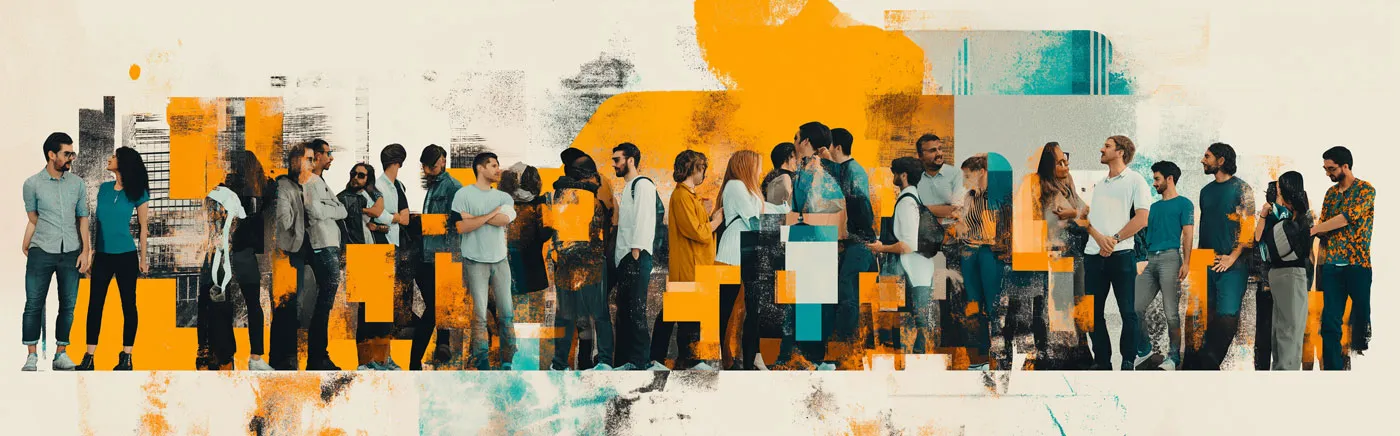
Participatory methodologies constitute an ecosystem of practices that democratize group processes and enhance collective intelligence. These approaches transform social interactions, articulating diverse forms of knowing and doing that emerge from participants themselves. By transcending traditional vertical models, these methodologies weave new relationships based on reciprocity, mutual recognition, and shared responsibility in action.
Team building
Team building from participatory methodologies transcends superficial integration exercises to create true communities of practice. This approach systematically cultivates mutual trust, recognition of complementary capabilities, and the establishment of meaningful collaboration agreements.
Tools such as collaborative agreement-building or group talent mapping facilitate this process. The true power of these methodologies lies in their capacity to create psychological safety, develop collective identity, and establish effective communication patterns that allow the team to face both successes and difficulties from cohesion rather than fragmentation.
Anticipating Challenges
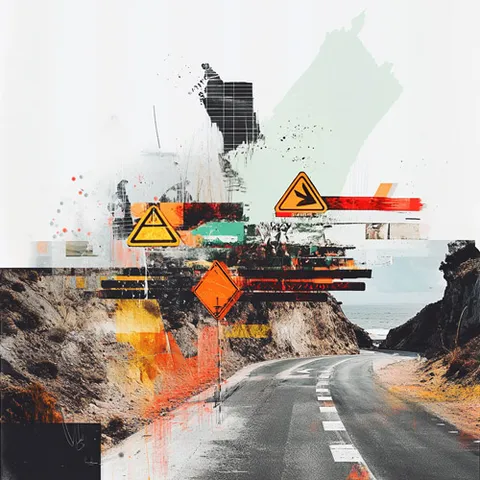
Anticipating Challenges is a participatory activity in which teams imagine that their project has failed and analyze the possible reasons behind this scenario.
Art Trail
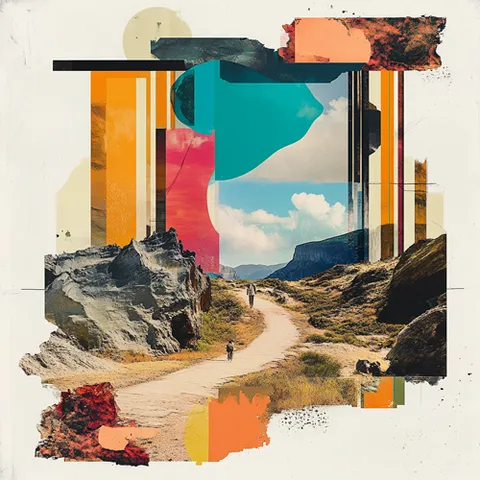
Art Trail is a collaborative activity in which participants intervene in a public or community space through collective artistic actions, aiming to reframe and transform it into a unique, meaningful, and shared place for the community.

Back-to-Back Drawing
Back-to-Back Drawing is a participatory activity in which participants work in pairs to describe and reproduce an image without seeing it, fostering communication and active listening skills.
Ball of thread
Ball of thread is a collaborative activity where participants build a symbolic thread network to reflect their connections, fostering group cohesion and teamwork.

Ball Sliding
Ball Sliding fosters teamwork and creativity by challenging participants to move a ball collaboratively without touching it.

Bizarre Bazaar
A creative game to spark imagination: in Bazaar Bizarro, the most ordinary objects become extraordinary products through improvisation, humor, and persuasion. Perfect for energizing groups and boosting self-expression.

Broken Telephone
Broken Telephone is a collaborative game that demonstrates how messages change when passed along, fostering communication skills, active listening, and creativity.
Cascade Greeting
Cascade Greeting is a closing activity where participants greet each other progressively, wishing one another well for the future and creating an atmosphere of gratitude and interpersonal connection.
Circle of gratitude
The Circle of gratitude promotes gratitude and mutual recognition among participants, strengthening group bonds and fostering a positive environment.

Collaborative Competition
Collaborative Competition is an activity that combines teamwork with problem-solving in a friendly, competitive format to foster creativity and learning.
Collaborative Oracle Card Creation
Collaborative Oracle Card Creation is a participatory activity where participants co-design a deck of oracle cards with meaningful symbols and messages, fostering creativity and collective reflection.

Community Garden
Community garden is a participatory activity in which neighbors, students, or community groups come together to create and care for a garden in a shared space. Through collaborative work, they grow food, exchange knowledge, and strengthen their connection with the environment and the community.
Collaborative project management
Collaborative project management represents a break from traditional hierarchical models, establishing systems where decisions flow from consensus rather than authority. This approach equitably distributes responsibilities and recognition, creating flexible structures that adapt to changing circumstances.
Tools such as collective progress boards or horizontal planning meetings allow progress to be visualized, obstacles identified, and tasks redistributed according to the group's emerging capacities. The true power of this methodology lies in its capacity to leverage diverse talents, ensure transparency in processes, and develop collective autonomy in facing shared challenges.
Anticipating Challenges
Anticipating Challenges is a participatory activity in which teams imagine that their project has failed and analyze the possible reasons behind this scenario.
Benefit Map
The Benefit Map is a visual tool that connects projects with the positive impacts they generate, helping to prioritize actions and maximize results in participatory contexts.

Bottleneck Analysis
The Bottleneck Analysis is a participatory tool for identifying and addressing recurring obstacles in a project, optimizing processes, and promoting effective collaboration.

Chronological Review
The Chronological Review is a participatory activity that analyzes progress by comparing it to the planned timeline, promoting adjustments and reflections to ensure the project's success.
Circle of gratitude
The Circle of gratitude promotes gratitude and mutual recognition among participants, strengthening group bonds and fostering a positive environment.

Community Planting Day
Community Planting Day is a participatory dynamic where a group comes together to plant vegetation in a shared space, promoting environmental awareness, social connection, and collective responsibility.

Concept Route
The Concept Route organizes and connects key ideas through a collaborative visual journey, facilitating learning and the communication of complex topics.

Feature prioritization
Feature prioritization is a participatory exercise designed to identify and organize the key elements of a project or design, ensuring a focus on the most relevant and viable aspects.
Heat Map Voting
Heat Map Voting is a visual and collaborative technique for prioritizing key aspects within a set of ideas by distributing multiple votes across specific elements.

How Might We (HMW)
How Might We is a Design Sprint methodology that transforms pain points into positive, collaborative questions, guiding the team toward creative solutions.
Local Connections Map
The Local Connections Map is a participatory tool for identifying and analyzing existing networks within an environment, promoting collaboration and strengthening key relationships.
SMART Goal-Setting Workshop
El Taller de redacción de objetivos SMART enseña a los participantes a formular metas claras y efectivas mediante la reflexión y colaboración.
Proposal prioritization
Participatory proposal prioritization transforms one of the most critical moments in group life: decision-making about the use of limited resources. This methodology establishes consensual criteria and transparent processes that legitimize collective choices and prevent conflicts arising from perceptions of inequity.
Techniques such as collaborative prioritization matrices or participatory budgeting create frameworks where all proposals are objectively valued. This process not only produces more accurate decisions that are representative of the collective feeling, but also strengthens internal democratic culture and commitment to implementing what has been agreed upon.
Dot Voting
Dot Voting is a participatory technique that combines analysis and prioritization to identify the most relevant proposals within a collective process, promoting collaboration and group consensus.
Thematic Committees
Thematic Committees are working groups that analyze specific proposals in key areas, promoting informed and strategic decisions through active participation and collaboration.
Heat Map Voting
Heat Map Voting is a visual and collaborative technique for prioritizing key aspects within a set of ideas by distributing multiple votes across specific elements.
Impact and feasibility scale
The Impact and feasibility scale is a participatory tool for evaluating proposals based on their potential benefit and ease of implementation, promoting strategic and consensus-driven decisions.

Impact vs. Effort Matrix
The Impact vs. Effort Matrix helps prioritize actions and decisions by evaluating them based on their impact and required effort, promoting efficiency and effectiveness.

Investment Roulette
Investment Roulette is an activity that assigns proposals to random categories, fostering creativity, strategic analysis, and collective decision-making.
Now, Next, Later
Now, Next, Later organizes tasks based on their temporal priority to promote clarity, focus, and efficiency in planning.
The Nine Questions Technique
The Nine Questions Technique is a participatory methodology that provides a comprehensive structure for designing, planning, or evaluating projects. It promotes collective reflection and collaborative work by addressing all essential aspects of a project in an integrated way.
Benefit Map
The Benefit Map is a visual tool that connects projects with the positive impacts they generate, helping to prioritize actions and maximize results in participatory contexts.
SMART Goal-Setting Workshop
El Taller de redacción de objetivos SMART enseña a los participantes a formular metas claras y efectivas mediante la reflexión y colaboración.
Territorial diagnosis
Participatory territorial diagnosis allows groups to holistically understand the spaces they inhabit or act upon. This methodology integrates physical, social, cultural, economic, and environmental dimensions from local perceptions and knowledge, transcending merely technical or statistical approaches.
Tools such as community sensory walks or local stakeholder mapping facilitate the collective construction of territorial knowledge. The true value of these diagnoses lies in their capacity to make hidden resources, power relations, spatial memories, and potentialities visible that can only be perceived from the lived experience of the territory.
Art Trail
Art Trail is a collaborative activity in which participants intervene in a public or community space through collective artistic actions, aiming to reframe and transform it into a unique, meaningful, and shared place for the community.
Risk mapping
Risk mapping is a visual and participatory tool for identifying and analyzing threats and vulnerabilities in a specific area or context, fostering collective strategies for prevention and response.

Situationist Drift
The Situationist Drift invites participants to explore urban spaces freely and subjectively, fostering creativity and critical reflection on the environment.

Urban Sketching
Urban Sketching is a participatory activity where individuals draw real-life urban or community spaces through direct observation. It encourages artistic expression, fosters a deeper connection with the environment, and transforms everyday places into sources of inspiration and shared reflection.
Local Connections Map
The Local Connections Map is a participatory tool for identifying and analyzing existing networks within an environment, promoting collaboration and strengthening key relationships.
Risk anticipation
Risk anticipation from participatory approaches develops the collective capacity to identify possible obstacles before they materialize. This prospective exercise mobilizes the experience distributed throughout the group, integrating diverse views that enrich preventive analysis.
Methodologies such as participatory future scenarios or critical brainstorming sessions allow vulnerabilities and strengths to be mapped from multiple perspectives. When groups collaboratively anticipate possible difficulties, they not only develop more effective contingency plans but also greater collective resilience in the face of uncertainty.
Anticipating Challenges
Anticipating Challenges is a participatory activity in which teams imagine that their project has failed and analyze the possible reasons behind this scenario.

Future scenarios
The Future Scenarios activity allows participants to imagine different development possibilities to anticipate risks, seize opportunities, and generate innovative ideas.
Interaction map
The Interaction map is a visual activity that enables participants to identify and analyze key relationships within a system to make informed decisions.
Root Cause Analysis
Root Cause Analysis uses the fishbone diagram to identify the main causes of a problem and promote effective solutions.
Thematic Committees
Thematic Committees are working groups that analyze specific proposals in key areas, promoting informed and strategic decisions through active participation and collaboration.
What If
What if fosters creativity and critical analysis by exploring hypothetical scenarios in a team setting.

Daily achievements board
The Daily achievements board is a visual and participatory tool for recording and celebrating daily progress, fostering motivation and reflective team analysis.
Risk mapping
Risk mapping is a visual and participatory tool for identifying and analyzing threats and vulnerabilities in a specific area or context, fostering collective strategies for prevention and response.
Participatory SWOT Analysis
Participatory SWOT Analysis is a collaborative tool used to identify and connect strengths, opportunities, weaknesses, and threats to design collective strategies.
Exchange of Perspectives
The exchange of perspectives expands the collective view, allowing each participant to contribute from their unique experience. This process breaks stereotypes, expands the repertoire of possible solutions, and develops intercultural empathy. Cross-narratives of personal experiences or dialogues between different generations facilitate this exchange, though they face challenges such as resistance to questioning one's own certainties. When these barriers are overcome, a more understanding community is created, capable of facing its challenges with greater creativity and from multiple angles.
Circular Conversations
Circular Conversations is a group activity that combines movement and interaction to foster meaningful connections among participants.
Collaborative Life Drawing
Collaborative Live Drawing is an artistic and group-based activity where participants take turns drawing on each other's sheets, based on observation sessions with live models or objects. The constant rotation promotes collaboration, the exploration of multiple styles, and a collective reflection on perception, the body, and shared creation.
Collective Questionnaire
The Collective Questionnaire is a participatory dynamic that enables the collaborative design of key questions, ensuring their relevance and usefulness for the project's or research’s purpose.
Confidence Vote
Confidence Vote is a fast participatory dynamic that lets groups gauge consensus, commitment levels, or uncertainty on a proposal by voting with hand signals or visual cues.
Daily Standup Meeting
Daily Standup Meeting is a short recurring group session where participants share progress, current focus, and blockers to keep the team aligned and moving forward together.
Emotional map
The Emotional map allows for the identification and visual analysis of emotions, helping to understand their impact on projects, spaces, or experiences.
Feature prioritization
Feature prioritization is a participatory exercise designed to identify and organize the key elements of a project or design, ensuring a focus on the most relevant and viable aspects.
Film Society
Film Society is a participatory activity that combines a collective film screening with a facilitated critical discussion to foster empathy, reflection, and shared meaning-making.
First Impressions
First Impressions is a participatory activity that explores initial perceptions through the exchange of descriptive words related to communication and leadership styles.
Four Corners
Four Corners encourages dialogue and the exploration of perspectives by allowing participants to choose and analyze different positions within a group setting.
Future scenarios
The Future Scenarios activity allows participants to imagine different development possibilities to anticipate risks, seize opportunities, and generate innovative ideas.
I Like, I Wish, I Wonder
I Like, I Wish, I Wonder is a participatory activity where people reflect on a shared experience by expressing what they appreciated, what they would improve, and what questions they are left with, creating a space for honest feedback, learning, and connection.
Group creativity
Systematized group creativity transcends the romantic notion of individual inspiration to become a methodological process that can be cultivated and directed toward shared objectives. This approach recognizes that innovative ideas frequently emerge at the intersection of diverse perspectives when the right conditions are established.
Techniques such as collective rapid prototyping or shared ideation laboratories enhance this capacity. The challenge lies in balancing divergence (broad generation of possibilities) with convergence (selection and refinement of ideas), creating iterative cycles where creativity materializes into concrete and viable proposals that respond to the group's real needs.
Ball Sliding
Ball Sliding fosters teamwork and creativity by challenging participants to move a ball collaboratively without touching it.
Brainstorming
Brainstorming fosters collective creativity and collaboration by generating multiple proposals to address a specific challenge.
Circle of gratitude
The Circle of gratitude promotes gratitude and mutual recognition among participants, strengthening group bonds and fostering a positive environment.
Collaborative Competition
Collaborative Competition is an activity that combines teamwork with problem-solving in a friendly, competitive format to foster creativity and learning.
Collaborative Life Drawing
Collaborative Live Drawing is an artistic and group-based activity where participants take turns drawing on each other's sheets, based on observation sessions with live models or objects. The constant rotation promotes collaboration, the exploration of multiple styles, and a collective reflection on perception, the body, and shared creation.

Collaborative sketching
Collaborative sketching is a visual activity that encourages the expression of ideas and the joint development of solutions through quick and simple drawings.
Collective DIY Mascot
Collective DIY Mascot is a participatory activity in which a group builds a symbolic mascot together, adding one element at a time across weeks. The result is a creative, emotional representation of their collective identity.

Collective Rube Goldberg Machine
Collective Rube Goldberg Machine is a participatory activity where teams collaboratively build a whimsical chain reaction device to perform a simple task, using creativity, problem-solving, and everyday materials to spark teamwork and fun experimentation.
Concept Route
The Concept Route organizes and connects key ideas through a collaborative visual journey, facilitating learning and the communication of complex topics.
Crazy 8
Crazy 8 is a fast-paced brainstorming activity designed to spark creativity and generate innovative solutions by sketching eight ideas in eight minutes. Perfect for teams aiming to think outside the box!
Creative Mark Exploration
Creative Mark Exploration is a participatory activity that encourages experimentation with strokes and textures to discover personal styles.

Diaporama
Diaporama is a creative activity where participants collaborate to create and present a series of images or slides that narrate a story or concept, fostering visual communication and critical thinking.
Creative problem-solving
Creative problem-solving from participatory approaches mobilizes the group's distributed intelligence to face complex challenges. This methodology structures processes that combine rigorous analysis, divergent thinking, and collaborative decision-making, transcending both cold technicalism and disorganized improvisation.
Techniques such as social innovation laboratories or human-centered design sessions facilitate this approach. The value of this approach lies in its capacity to reframe problems from new perspectives, generate solutions that integrate diverse knowledge, and promote protected experimentation as a path toward innovative and contextualized alternatives.
Anticipating Challenges
Anticipating Challenges is a participatory activity in which teams imagine that their project has failed and analyze the possible reasons behind this scenario.
Back-to-Back Drawing
Back-to-Back Drawing is a participatory activity in which participants work in pairs to describe and reproduce an image without seeing it, fostering communication and active listening skills.
Ball Sliding
Ball Sliding fosters teamwork and creativity by challenging participants to move a ball collaboratively without touching it.
Bizarre Bazaar
A creative game to spark imagination: in Bazaar Bizarro, the most ordinary objects become extraordinary products through improvisation, humor, and persuasion. Perfect for energizing groups and boosting self-expression.
Brainstorming
Brainstorming fosters collective creativity and collaboration by generating multiple proposals to address a specific challenge.
Broken Telephone
Broken Telephone is a collaborative game that demonstrates how messages change when passed along, fostering communication skills, active listening, and creativity.
Collaborative Competition
Collaborative Competition is an activity that combines teamwork with problem-solving in a friendly, competitive format to foster creativity and learning.
Collaborative Life Drawing
Collaborative Live Drawing is an artistic and group-based activity where participants take turns drawing on each other's sheets, based on observation sessions with live models or objects. The constant rotation promotes collaboration, the exploration of multiple styles, and a collective reflection on perception, the body, and shared creation.
Collaborative mind map
The Collaborative mind map is a visual tool that allows groups to explore, organize, and connect ideas on a topic in a creative and participatory way.
Collaborative Oracle Card Creation
Collaborative Oracle Card Creation is a participatory activity where participants co-design a deck of oracle cards with meaningful symbols and messages, fostering creativity and collective reflection.
Collaborative sketching
Collaborative sketching is a visual activity that encourages the expression of ideas and the joint development of solutions through quick and simple drawings.
Collective Questionnaire
The Collective Questionnaire is a participatory dynamic that enables the collaborative design of key questions, ensuring their relevance and usefulness for the project's or research’s purpose.
Participatory documentation
Participatory documentation transforms the recording of processes and learnings into a collective practice that democratizes the construction of group memory. This methodology distributes the responsibility of observing, recording, and interpreting relevant events, integrating multiple lenses and documentary languages.
Methodologies such as collective field journals or shared audiovisual logbooks facilitate this work. When documentation becomes participatory, it not only produces richer and more polyphonic records, but also develops reflective capacities throughout the group, strengthens ownership of the process, and generates materials genuinely representative of the collective experience.
Creative Stations
Creative Stations combine rotating and participatory activities to explore a topic from multiple perspectives, fostering creativity and active learning.

One Sentence a Day
One Sentence a Day is a participatory activity in which each person contributes one short sentence every day to collectively build a record of shared thoughts, emotions, or reflections over a set period of time.

Time Capsule
Time Capsule is a reflective activity that allows participants to capture their current ideas, wishes, and learnings in a symbolic capsule to be opened in the future, fostering introspection and group cohesion.
What If
What if fosters creativity and critical analysis by exploring hypothetical scenarios in a team setting.
Collective DIY Mascot
Collective DIY Mascot is a participatory activity in which a group builds a symbolic mascot together, adding one element at a time across weeks. The result is a creative, emotional representation of their collective identity.

Collective Journal
The Collective Journal is a participatory activity that allows groups to record daily progress, reflections, and learnings, fostering continuous improvement and collaborative documentation.
Collective Questionnaire
The Collective Questionnaire is a participatory dynamic that enables the collaborative design of key questions, ensuring their relevance and usefulness for the project's or research’s purpose.
Participatory leadership
Participatory leadership distributes influence and decision-making among group members, transcending traditional centralist models. This approach recognizes that different situations require different leadership styles and that all people have potential capacities to drive the collective forward at different moments and in different dimensions.
Methodologies such as structured rotation of responsibilities or distributed decision circles foster this type of leadership. The true value of this approach lies in its capacity to develop collective autonomy, prevent unhealthy dependencies, leverage the diversity of talents, and create more resilient organizations in the face of internal and external changes.
First Impressions
First Impressions is a participatory activity that explores initial perceptions through the exchange of descriptive words related to communication and leadership styles.

GROW Coaching
GROW Coaching is a collaborative activity that uses the GROW model to foster coaching skills and personal reflection, creating meaningful connections among participants.
SMART Goal-Setting Workshop
El Taller de redacción de objetivos SMART enseña a los participantes a formular metas claras y efectivas mediante la reflexión y colaboración.
The Ideal Leader
The Ideal Leader allows for the collective construction of an effective leadership profile, fostering reflection and group alignment.
Anticipating Challenges
Anticipating Challenges is a participatory activity in which teams imagine that their project has failed and analyze the possible reasons behind this scenario.
Appreciative inquiry
Appreciative inquiry is an organizational and community change methodology that begins from what is already working well to build the desired future, rather than analyzing problems and deficits.
Citizens Assembly
Randomly selected citizens who deliberate on a complex policy question over weeks or months, producing evidence-based recommendations free from organized interests.

Civic Dialogues
Structured conversations between citizens and institutions on specific policy issues, with explicit mechanisms for public input to influence concrete decisions.

Future Search Conference
Conference method that brings all system stakeholders together for 2–3 days to build shared understanding and co-create an actionable common future.

Golden circle
The golden circle is a strategic reflection tool based on Simon Sinek's model that guides people, teams, or organizations to clarify their purpose (Why), their methods (How), and their actions (What), always starting from the center.

Open space
Open space (Open Space Technology) is a group self-organization methodology in which participants themselves create the agenda, choose the sessions, and define the topics of work, radically liberating collective intelligence without a pre-established program.
Participatory Budgeting
Democratic process where community members vote directly on how to spend part of the public budget — turning citizens into active co-designers of public investment.
Impact analysis
Participatory impact analysis allows groups to evaluate the effects of their actions beyond simplifying quantitative indicators. This methodology integrates qualitative perceptions, personal testimonies, and collective observations to build a deeper and more contextualized understanding of the transformations generated.
Techniques such as outcome harvesting or most significant change circles facilitate this type of evaluation. The value of this approach lies in its capacity to identify unforeseen impacts, understand complex change processes, and value subtle but significant transformations that tend to remain invisible in conventional evaluations.
Beneficiary Stories
The Beneficiary Stories dynamic collects and reflects on personal narratives to document the impact of projects and generate learning from the perspective of those who lived through them.
Benefit Map
The Benefit Map is a visual tool that connects projects with the positive impacts they generate, helping to prioritize actions and maximize results in participatory contexts.
Comparative Photography
Comparative Photography is a visual and participatory tool for documenting and analyzing changes before and after an intervention, fostering collective reflection on the impact achieved.
Chronological Review
The Chronological Review is a participatory activity that analyzes progress by comparing it to the planned timeline, promoting adjustments and reflections to ensure the project's success.
Collective Journal
The Collective Journal is a participatory activity that allows groups to record daily progress, reflections, and learnings, fostering continuous improvement and collaborative documentation.
Daily achievements board
The Daily achievements board is a visual and participatory tool for recording and celebrating daily progress, fostering motivation and reflective team analysis.

Evaluation wheel
The Evaluation wheel is a visual and participatory tool that allows for the evaluation and reflection on different aspects of a project or activity, facilitating collective analysis and improvement planning.
Gallery of results
The Gallery of results is a visual and participatory exhibition that allows achievements and lessons to be shared in a creative and reflective way.
Impact and feasibility scale
The Impact and feasibility scale is a participatory tool for evaluating proposals based on their potential benefit and ease of implementation, promoting strategic and consensus-driven decisions.

Participatory Infographic
Participatory Infographic transforms key information into collaborative visual representations, fostering creativity and active learning.
Perception Scale
Engage participants with Perception Scales, a dynamic tool to capture and analyze diverse views, fostering reflection and group insights for actionable outcomes.
Participatory methodologies for groups represent a profoundly transformative approach to human collaboration. Their essence transcends the mere collection of techniques to constitute a practical philosophy that reconnects human beings with their innate capacity to cooperate, create, and build in community.
In societies marked by individualism and competition, these methodologies recover the value of genuine encounter, shared construction, and the wisdom that emerges when we create spaces where every voice can be expressed and every person can contribute from their singularity. In the end, it is not just about achieving more effective results, but about weaving new forms of coexistence that prefigure, here and now, the more just and collaborative world we aspire to build.